
Hormonal Health From Your 20s to Your 60s: What Changes and Why

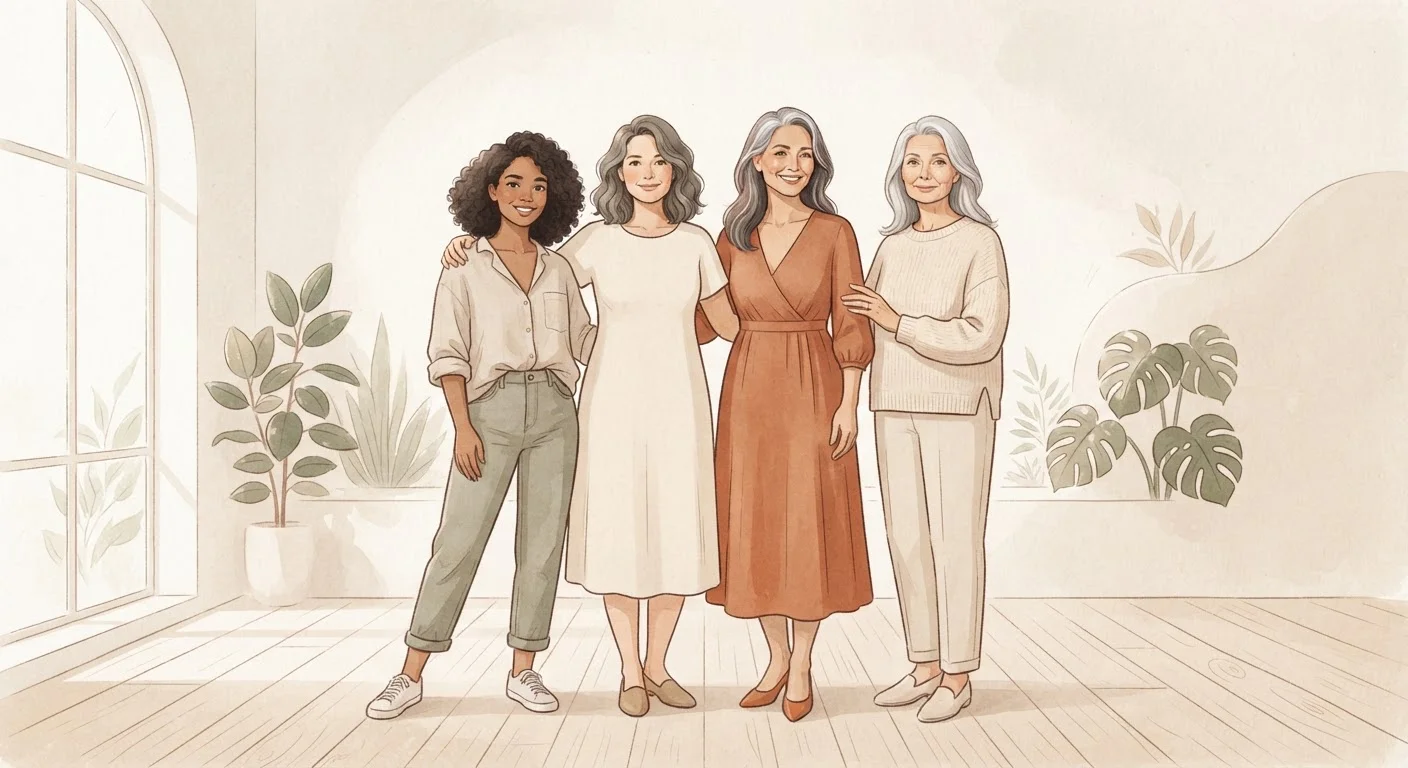
Photo: FeaturingHealth.net | Healthy Living Simplified editorial
Key Takeaways
- Estrogen, progesterone, and testosterone all follow distinct patterns across a woman's lifespan.
- Perimenopause can begin as early as the late 30s — not just the mid-40s as often assumed.
- Many symptoms attributed to aging are directly linked to identifiable hormonal changes.
- Lifestyle factors including sleep, stress management, and nutrition measurably influence hormone regulation.
- Hormone testing can help clarify symptoms, but results require clinical interpretation.
- Consulting a qualified healthcare provider is essential before making any changes based on hormonal concerns.
Why Female Hormones Are Always in Motion
Hormones are chemical messengers produced by glands in the endocrine system, and in women, they are in a state of continuous, purposeful change. Estrogen, progesterone, and testosterone — along with thyroid hormones, cortisol, and insulin — interact in intricate feedback loops that regulate everything from mood and metabolism to bone density and cardiovascular function.
This article offers a decade-by-decade overview of how key hormones shift, why those shifts occur, and what they mean for everyday health. For a foundational overview of how hormonal health works, see our grounded introduction to hormonal health. For a deeper look at how reproductive health intersects with these changes, our companion piece reproductive health across the lifespan is a useful companion resource.
51
Average age of natural menopause in the U.S.
According to data from the Study of Women's Health Across the Nation (SWAN), the median age of natural menopause for U.S. women is approximately 51 years.
5–10%
Women affected by postpartum thyroiditis
Clinical estimates suggest postpartum thyroiditis occurs in roughly 5–10% of women in the first year after delivery, often going unrecognized.
~8 years
Typical duration of perimenopause
Research indicates the menopausal transition averages around 7–8 years, though individual experience varies considerably.
Your 20s: Peak Reproductive Hormones and What That Means
For most women, the 20s represent the peak of estrogen and progesterone production. The hypothalamic-pituitary-ovarian (HPO) axis — the hormonal control system linking the brain to the ovaries — typically operates with greatest regularity during this decade, producing predictable menstrual cycles and supporting bone density accumulation.
Testosterone is also present and plays an important role in libido, energy, and lean muscle maintenance, though at much lower concentrations than in men. Bone density reaches its lifetime peak around age 30, making the 20s a critical window for establishing bone-protective habits.
That said, the 20s are not without hormonal challenges. Conditions such as polycystic ovary syndrome (PCOS) and endometriosis — both driven in part by hormonal dysregulation — frequently surface or are diagnosed during this period. Irregular cycles, severe menstrual pain, or significant mood disruption around periods are worth discussing with a clinician rather than dismissing as normal.
Track your menstrual cycle consistently from your 20s onward — not just for contraception, but as a longitudinal record of your hormonal baseline. Deviations become much easier to identify when you have years of data.
Don't wait for symptoms to become severe before seeking an evaluation. Early-stage hormonal shifts — such as subtle cycle changes in your late 30s — are far more manageable when addressed proactively.
Your 30s: Subtle Shifts and Fertility Considerations
Hormone levels remain relatively stable through most of the 30s, but measurable changes begin to appear by the mid-to-late 30s. Anti-Müllerian hormone (AMH) — a marker of ovarian reserve — declines gradually, reflecting the natural reduction in egg quantity and quality. Progesterone levels may also start to drop modestly, sometimes leading to changes in cycle length or premenstrual symptoms.
For women who have experienced pregnancy and postpartum recovery, the dramatic hormonal fluctuations of that period — particularly the rapid drop in estrogen and progesterone after delivery — can have lasting effects on thyroid function and mood. Postpartum thyroiditis, for example, affects an estimated 5–10% of women and is often misattributed to general fatigue or new-parent stress. Our article on thyroid function and hormonal health explores this connection in detail.
Don't Dismiss Postpartum Hormonal Changes
Your 40s: Perimenopause Begins
Perimenopause — the transitional phase leading to menopause — can begin as early as the late 30s but most commonly starts in the early-to-mid 40s. The defining hormonal feature is increasing variability in estrogen levels: rather than declining steadily, estrogen surges and dips unpredictably as the ovaries' response to follicle-stimulating hormone (FSH) becomes erratic.
This variability, rather than simple decline, is what drives many hallmark perimenopausal symptoms: hot flashes, disrupted sleep, mood changes, irregular cycles, and brain fog. Progesterone typically falls more consistently during this phase, which can result in heavier or more frequent periods in the early stages before cycles become less frequent.
Physical changes also accelerate. Estrogen plays a key protective role in cardiovascular health and bone maintenance, so its declining and erratic production during perimenopause begins to shift risk profiles meaningfully. Women approaching this stage may benefit from reviewing fitness strategies aligned with these hormonal changes — see our guide on fitness approaches that support women during perimenopause.
Perimenopause Is Not Just About Hot Flashes
Your 50s and 60s: Menopause and Post-Menopause
Menopause is defined as 12 consecutive months without a menstrual period. The average age of natural menopause in the United States is approximately 51 years. At this point, ovarian estrogen production has dropped substantially and progesterone production effectively ceases.
Post-menopausal estrogen is produced in smaller quantities via the adrenal glands and in adipose (fat) tissue through conversion of androgens. This residual estrogen production is not sufficient to prevent the longer-term effects associated with low estrogen: declining bone density (increasing osteoporosis risk), changes in cardiovascular risk, vaginal atrophy (genitourinary syndrome of menopause), and shifts in skin and connective tissue quality.
Testosterone levels, which decline gradually from the mid-30s onward, continue to fall in the post-menopausal years. Low testosterone in women is associated with reduced libido and fatigue, though the clinical approach to this remains an area of active research. For a comparative perspective on how hormone decline differs between sexes, see our article on how testosterone shifts through the decades.
Lifestyle Habits That Support Hormonal Balance at Any Age
While hormonal change across the lifespan is inevitable, research consistently shows that several lifestyle factors influence how hormones are produced, metabolized, and regulated. These are not cures or guarantees, but they represent meaningful levers for everyday wellbeing.
- Sleep: Poor or insufficient sleep elevates cortisol and disrupts the hormonal signals that regulate appetite, mood, and reproductive function. Most adults require 7–9 hours per night for optimal endocrine function.
- Physical activity: Resistance training supports muscle mass and insulin sensitivity, both of which are affected by declining estrogen. Regular aerobic exercise is associated with better mood regulation and cardiovascular protection.
- Nutrition: Diets rich in fiber, healthy fats, and cruciferous vegetables support estrogen metabolism via the gut microbiome and liver pathways. Avoiding chronic caloric restriction is equally important — extreme undereating disrupts HPO axis function.
- Stress management: Chronic psychological stress elevates cortisol, which can suppress reproductive hormones and interfere with thyroid function. Evidence-based approaches include mindfulness, structured relaxation, and social connection.
- Alcohol moderation: Alcohol impairs the liver's ability to metabolize estrogen efficiently, which may contribute to estrogen dominance symptoms in some women.
When to Talk to a Healthcare Provider
Understanding the general arc of hormonal change is useful — but symptoms that significantly affect quality of life always warrant professional evaluation. A clinician can assess whether symptoms reflect normal hormonal variation, an underlying condition, or a treatable imbalance through appropriate testing.
If you are curious about what hormone testing involves, our guide on what a hormonal health assessment actually involves walks through what clinicians measure and how results are interpreted. Seek prompt medical attention for severe mood disturbances, signs of thyroid dysfunction, significant menstrual irregularity, or symptoms that appear sudden rather than gradual.
This article is for general informational and educational purposes only and does not constitute medical advice. Hormonal health is highly individual, and this content is not a substitute for assessment, diagnosis, or treatment by a qualified healthcare professional. Always consult your doctor or a licensed clinician with questions about your specific health circumstances.
The content on this site is for informational purposes only and is not a substitute for professional advice. Always consult a qualified professional for guidance specific to your situation.