
Complete and Incomplete Proteins: A Plain-Language Guide

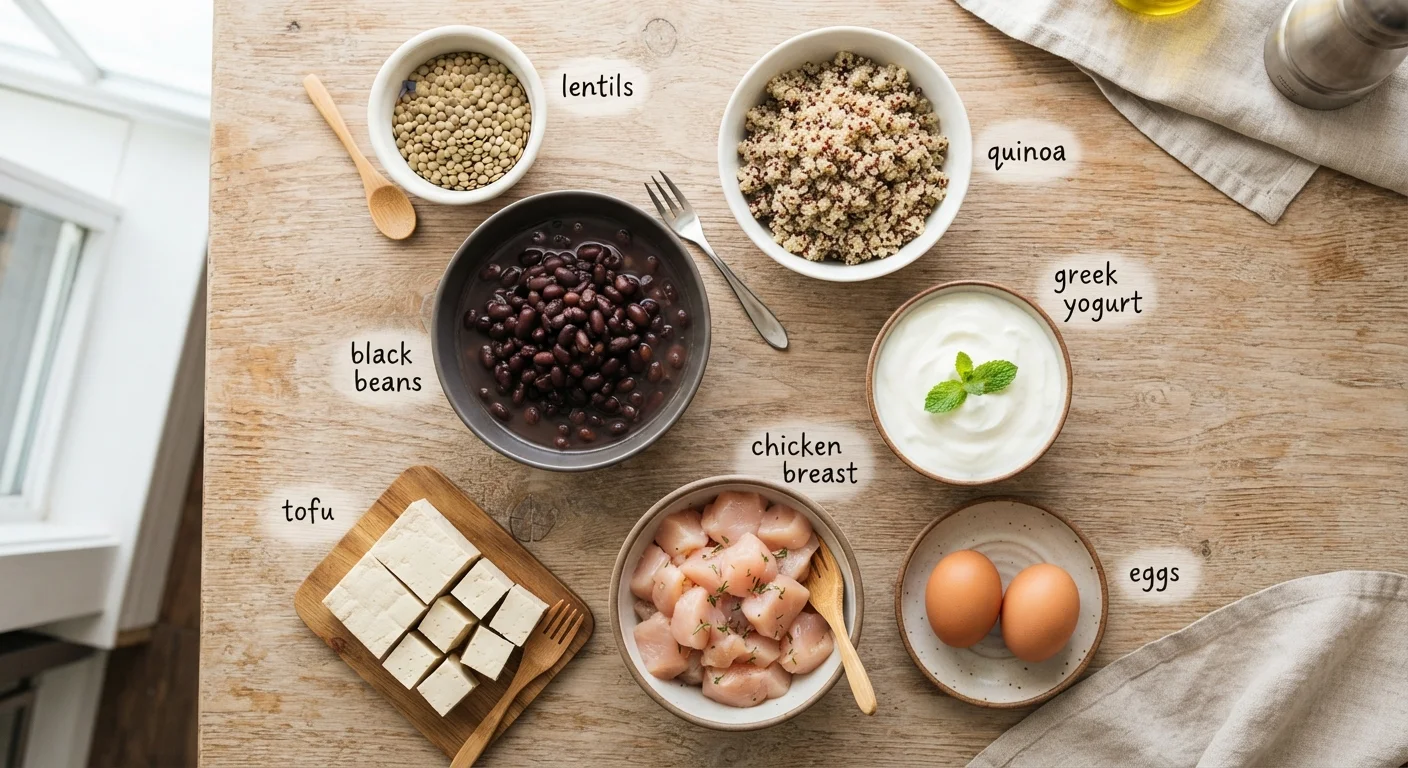
Photo: FeaturingHealth.net | Healthy Living Simplified editorial
Key Takeaways
- All proteins are built from amino acids; nine of them must come from food because the body cannot produce them.
- Complete proteins supply all nine essential amino acids; incomplete proteins are low in one or more.
- Animal foods — meat, fish, eggs, dairy — are generally complete proteins.
- Most plant foods are incomplete, but eating a varied plant-based diet throughout the day covers all essential amino acids.
- Quinoa, soy, and buckwheat are notable plant-based complete proteins.
- You do not need to combine complementary proteins at every meal — variety across the day is sufficient.
Why Amino Acids Are the Real Story
When people talk about protein quality, they are really talking about amino acids — the small molecular building blocks that proteins are made of. Your body uses amino acids to build and repair tissues, produce enzymes, support immune function, and carry out dozens of other tasks. For a fuller picture of what protein does, see protein's many roles in the body.
Of the 20 amino acids involved in human nutrition, 11 can be made by the body itself. The remaining nine — called essential amino acids — must come from the food you eat. This is where the complete vs. incomplete distinction becomes meaningful: a food is labeled complete when it reliably delivers all nine of those essentials in usable amounts.
Protein Quality Ratings Explained
Complete Proteins: What They Are and Where to Find Them
Complete proteins contain all nine essential amino acids in proportions the body can use. Animal-based foods are the most common source:
- Meat and poultry (chicken, beef, turkey)
- Fish and seafood
- Eggs
- Dairy (milk, yogurt, cheese)
Among plant foods, a handful stand out as complete proteins: soy (tofu, tempeh, edamame), quinoa, buckwheat, and hemp seeds. These are valuable options for people who limit or avoid animal products.
9
Essential amino acids humans must get from food
The nine essential amino acids cannot be synthesized by the human body and must be supplied through dietary protein sources.
~20%
Of Americans who identify as vegetarian or vegan
Gallup polling has found roughly 5% of U.S. adults identify as vegetarian and about 3% as vegan, highlighting the practical relevance of plant protein guidance for a meaningful portion of the population.
8g
Protein per cup of cooked quinoa (approx.)
The USDA FoodData Central database lists approximately 8 grams of complete protein per cooked cup of quinoa, making it one of the more protein-dense whole grains.
Incomplete Proteins and the Power of Combination
Most plant foods — beans, lentils, nuts, seeds, and grains — are incomplete proteins, meaning they fall short on at least one essential amino acid. Lentils, for example, are low in methionine. White rice is low in lysine. Neither alone covers the full essential amino acid profile.
The solution is pairing complementary foods. Classic combinations include:
- Rice and beans
- Peanut butter on whole-grain bread
- Hummus with pita
- Lentil soup with a grain-based side
Importantly, research supports that these pairings do not need to happen at the same meal. As long as you eat a variety of plant protein sources throughout the day, your body assembles the amino acids it needs. For a practical roadmap, see getting enough protein on a plant-based diet.
Variety Is Your Best Strategy
Putting It Into Practice
Understanding protein completeness is useful, but it should not add stress to everyday eating. A few straightforward principles go a long way:
- Eat a variety of protein sources. Different foods bring different amino acid strengths to the table.
- Include protein at each meal. Spreading intake across the day supports consistent amino acid availability.
- Rely on whole foods first. Eggs, legumes, whole grains, dairy, and lean meats provide protein alongside fiber, vitamins, and minerals that supplements cannot replicate.
If you follow a plant-based diet or have specific health conditions affecting protein needs — such as kidney disease, pregnancy, or recovery from illness — consult a registered dietitian for personalized guidance. General information about protein quality is a starting point, not a substitute for individualized care.
This article is for general informational and educational purposes only and does not constitute medical or dietary advice. Consult a qualified healthcare professional for guidance specific to your health needs.
Frequently Asked Questions
The content on this site is for informational purposes only and is not a substitute for professional advice. Always consult a qualified professional for guidance specific to your situation.