
Getting Enough Protein on a Plant-Based Diet

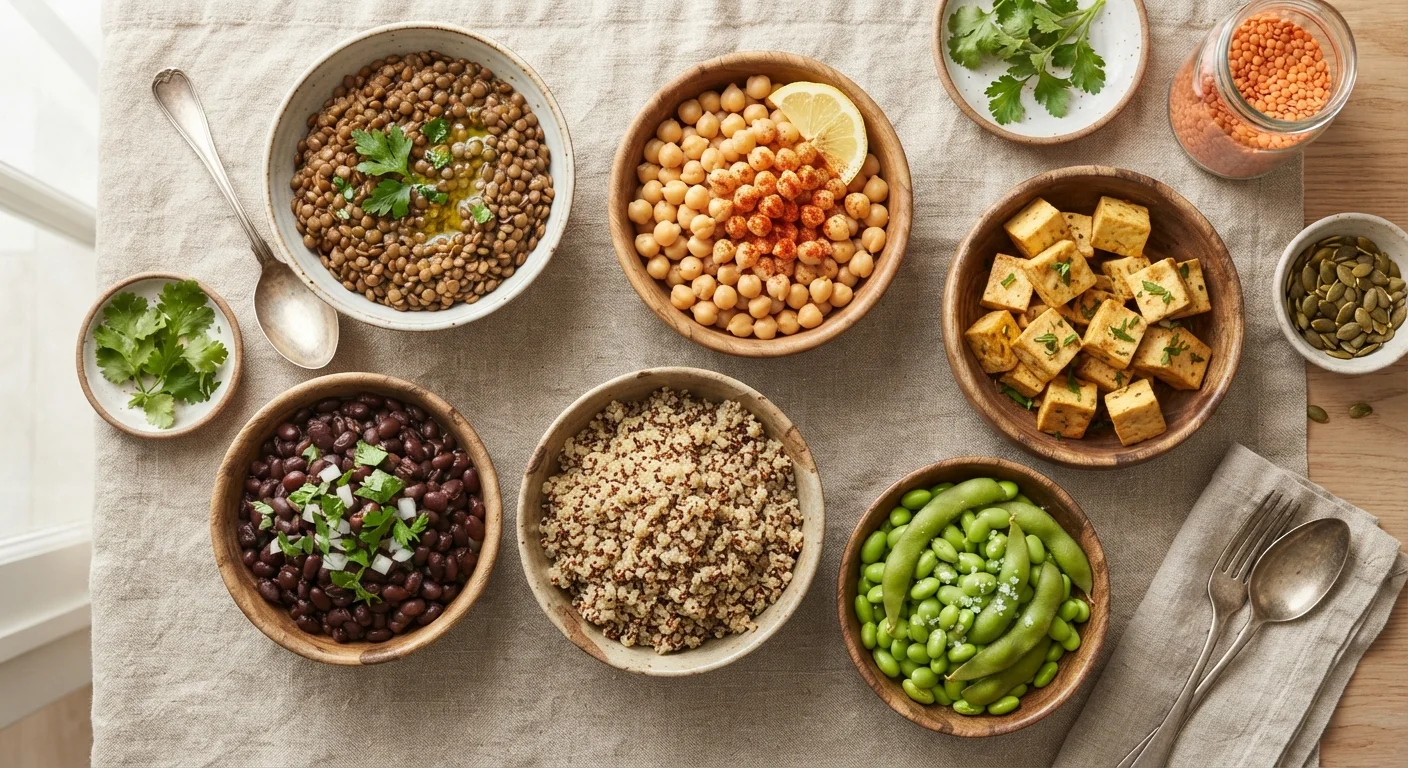
Photo: FeaturingHealth.net | Healthy Living Simplified editorial
Key Takeaways
- Most adults can meet protein needs on a plant-based diet by eating a variety of protein-rich foods daily.
- Legumes, soy foods, whole grains, nuts, and seeds are the most reliable plant protein sources.
- Combining different plant proteins throughout the day helps ensure you get all essential amino acids.
- Planning meals intentionally — not just eliminating meat — is the key to adequate intake.
- Certain nutrients often low in plant-based diets, like B12 and iron, deserve separate attention.
Why Protein Planning Matters on a Plant-Based Diet
Protein is responsible for building and repairing tissues, supporting immune function, and producing enzymes and hormones. When animal foods — which are typically concentrated, complete protein sources — are removed from the diet, getting enough protein requires more deliberate planning, but it's far from impossible.
The challenge isn't that plant foods lack protein. It's that plant proteins are often less concentrated per serving and, in most cases, incomplete on their own. Understanding these two realities is the foundation of eating well without meat or dairy.
This Is General Guidance, Not Medical Advice
What you will need
Tools and Ingredients You'll Rely On
Before diving into the steps, take stock of the food categories that will carry most of your protein intake. Having these staples regularly stocked makes the planning process far more manageable.
Legumes (lentils, chickpeas, black beans, edamame)
Provide the highest protein density of any whole plant food group, typically 15–18g per cooked cup.
Soy-based foods (tofu, tempeh, edamame)
Complete protein sources containing all nine essential amino acids — one of few in the plant kingdom.
Whole grains (quinoa, farro, oats, brown rice)
Contribute meaningful protein alongside carbohydrates; quinoa is a complete protein.
Nuts and seeds (hemp seeds, pumpkin seeds, almonds)
Add concentrated protein and healthy fats to meals and snacks with minimal preparation.
Nutritional yeast
A fortified, cheese-flavored powder that adds complete protein and B12 to sauces, soups, and grains.
Nutritional yeast deserves a special mention for new plant-based eaters: it's a deactivated yeast sold as a powder or flakes, with a savory, cheese-like flavor. Many brands are fortified with vitamin B12 — a nutrient that deserves its own attention in plant-based diets. See our guide on B12 for vegans and vegetarians for more context.
Step-by-Step: Building a Protein-Sufficient Plant-Based Diet
Follow these steps in order when you're establishing your approach. Once the habits are in place, the planning becomes second nature.
Understand your approximate daily protein target
The RDA for protein is 0.8 grams per kilogram of body weight for generally healthy, sedentary adults — a baseline, not a ceiling. More active individuals, older adults, and those building muscle typically benefit from higher amounts. Convert your weight from pounds to kilograms by dividing by 2.2, then multiply by 0.8 to get a rough starting figure. This number becomes your planning anchor.
Identify your primary plant protein sources
Not all plant foods deliver protein equally. Prioritize these high-yield categories:
- Legumes: Cooked lentils (~18g/cup), black beans (~15g/cup), chickpeas (~15g/cup)
- Soy foods: Tempeh (~31g/cup), firm tofu (~20g/cup), edamame (~17g/cup)
- Whole grains: Quinoa (~8g/cup cooked), oats (~6g/cup cooked)
- Seeds: Hemp seeds (~10g per 3 tablespoons), pumpkin seeds (~9g per ounce)
These should form the backbone of your meals, not occasional additions.
Understand complete vs. incomplete proteins — and why it matters less than you think
Animal proteins are called complete because they contain all nine essential amino acids (those the body cannot produce on its own). Most plant proteins are considered incomplete — they're lower in one or more essential amino acids. However, eating a variety of plant proteins across the day — not necessarily in the same meal — allows your body to assemble a complete amino acid profile. For a deeper look at the science, see our plain-language guide to complete and incomplete proteins. Soy foods and quinoa are notable exceptions: both are complete plant proteins.
Build each meal around a protein anchor
For every main meal, identify the protein-rich food first, then build the rest of the plate around it. Examples:
- Breakfast: Oatmeal topped with hemp seeds and a handful of walnuts
- Lunch: Grain bowl with quinoa, roasted chickpeas, and tahini dressing
- Dinner: Stir-fry with tempeh, edamame, and brown rice
This anchor-first habit prevents the common mistake of building meals primarily around vegetables and grains, then realizing protein is an afterthought.
Track your intake for at least one week
Estimating protein intake without any measurement is unreliable, especially when learning a new eating pattern. Use a free nutrition-tracking app to log meals for seven days — not to obsess over numbers, but to see where your diet actually lands versus your target. Many new plant-based eaters are surprised to find they're meeting their needs; others discover clear gaps. Use this data to adjust, not to judge.
Address other nutritional gaps that accompany plant-based eating
Adequate protein is achievable on a plant-based diet, but it's not the only concern. Iron absorption from plant sources is lower than from meat — our article on getting enough iron without red meat covers practical strategies. Calcium deserves attention too; explore calcium sources beyond dairy for food-first options. Taking a comprehensive view of your nutrient intake — not just protein — sets your plant-based diet up for long-term success.
Spread Protein Across All Your Meals
Plant-Based Diets Require More Than Protein Planning
Common Mistakes and How to Avoid Them
Even well-intentioned plant-based eaters make predictable missteps. The most common is building meals around produce and grains without including a dedicated protein source — resulting in meals that are nutritious but protein-light. Another is assuming that protein powders or supplements are necessary: for most healthy adults, whole food sources are sufficient and preferable.
Variety is also underestimated. Rotating between lentils, tofu, tempeh, beans, and seeds ensures a broader amino acid profile and prevents dietary monotony, which is one of the most common reasons people abandon plant-based eating.
This article is for general informational purposes only and does not constitute medical or dietary advice. Individual nutritional needs vary. Consult a registered dietitian or qualified healthcare professional for personalized guidance.
The content on this site is for informational purposes only and is not a substitute for professional advice. Always consult a qualified professional for guidance specific to your situation.