
Protein's Role in the Body Goes Far Beyond Muscle

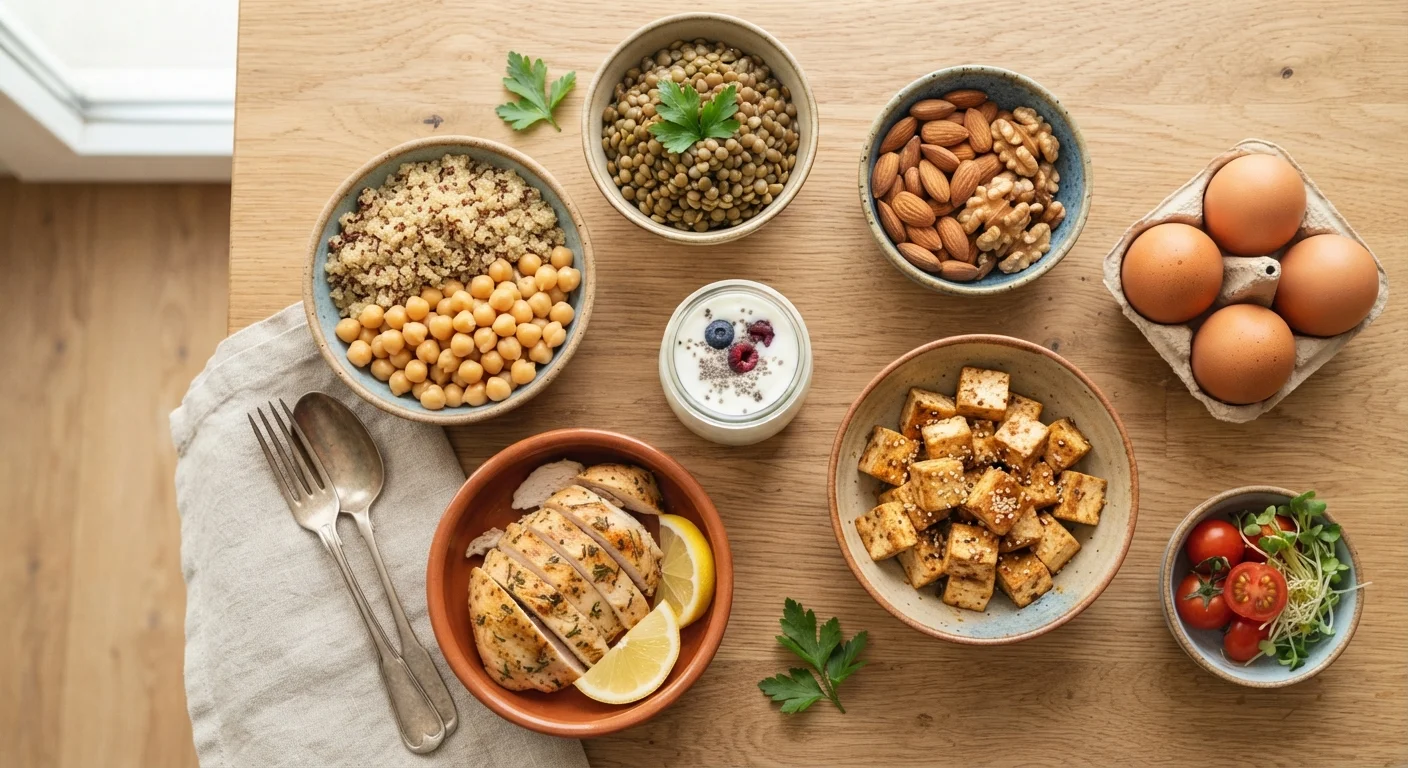
Photo: FeaturingHealth.net | Healthy Living Simplified editorial
Key Takeaways
- Protein performs dozens of structural and regulatory jobs beyond building muscle mass.
- Enzymes, hormones, and antibodies are all made from amino acids derived from dietary protein.
- The body cannot store protein the way it stores fat, making daily intake important.
- Both animal and plant foods can contribute meaningfully to protein needs.
- Most healthy adults benefit from distributing protein intake across meals rather than concentrating it in one sitting.
Protein Is a Structural and Functional Workhorse
Most people associate protein with gym culture and muscle growth — and while muscle repair is a genuine function, it represents only a fraction of what protein does. To understand protein's full role, it helps to start at the molecular level.
Every protein in the body is assembled from amino acids linked together in specific sequences. That sequence determines the protein's shape, and shape determines its function. Some proteins form the scaffolding of cells and tissues. Others act as messengers, carriers, or catalysts. The breadth of jobs protein performs is one of the reasons nutritionists treat adequate intake as a daily priority, not just a fitness concern.
For a broader view of how protein fits alongside the other macronutrients, see Macronutrients Explained.
9
Essential amino acids humans must get from food
According to established nutritional science, the body cannot synthesize these nine amino acids on its own.
0.8 g/kg
Daily protein RDA for sedentary adults
Set by the USDA Dietary Reference Intakes as the minimum to meet the needs of most healthy, non-exercising adults.
Thousands
Distinct enzymes operating in the human body
Each enzyme is a protein, illustrating how broadly amino acids are put to work beyond structural tissue.
The Major Roles Protein Plays
Enzymes: The Body's Reaction Facilitators
Enzymes are proteins that speed up chemical reactions — digesting food, copying DNA, converting nutrients into usable energy. Without enzymes, the biochemical processes that sustain life would occur far too slowly to keep cells functioning. Every time you digest a meal, thousands of protein-based enzymes are working.
Hormones and Chemical Signals
Several important hormones are proteins or peptides (short amino acid chains). Insulin, which regulates blood sugar, is one well-known example. Growth hormone is another. These protein-based messengers coordinate processes across the entire body.
Immune Defense
Antibodies — the proteins your immune system deploys to identify and neutralize pathogens — are made from amino acids. Adequate protein intake supports the production and maintenance of these defenders. During illness or recovery, protein demands can increase as the body works to mount an immune response.
Transport and Storage
Hemoglobin, the protein in red blood cells responsible for carrying oxygen from the lungs to tissues throughout the body, is a protein. So is ferritin, which stores iron. Many vitamins and minerals, including those covered in our overview of vitamins and minerals, depend on protein carriers to move through the bloodstream.
Fluid Balance and pH Regulation
Proteins in the blood help maintain the right balance of fluid between tissues and the circulatory system. They also act as buffers, helping keep the body's pH within the narrow range cells require to function properly.
Spread Protein Across All Three Meals
Why Amino Acid Quality Matters
Not all protein sources supply the same mix of amino acids. Foods that contain all nine essential amino acids in sufficient amounts are called complete proteins — most animal-based foods fall into this category. Plant sources vary: some, like soy and quinoa, are complete; others supply a narrower profile.
This does not mean plant-based eaters are at a disadvantage — it simply means variety matters. Eating a range of legumes, grains, nuts, and seeds across the day provides a full spectrum of amino acids. Our plain-language guide to complete and incomplete proteins explains amino acid quality in practical detail.
Putting It Into Practice
Because the body does not store protein the way it stores fat or glycogen, intake needs to be reasonably consistent from day to day. Distributing protein across meals — rather than relying on one large portion at dinner — allows the body to use amino acids more efficiently for all the functions described above.
Practical protein sources include eggs, poultry, fish, dairy, legumes, tofu, tempeh, edamame, and whole grains. No single food is required; the goal is a varied diet that supplies adequate amino acids over the course of the day.
Individual needs differ based on age, body size, activity level, and health status. Older adults, people recovering from illness or surgery, and pregnant individuals generally have higher protein requirements. If you are managing a health condition or have specific concerns about your intake, a registered dietitian is the best resource for personalized guidance.
This article is for general informational purposes only and does not constitute medical or dietary advice. Consult a qualified healthcare professional for guidance tailored to your individual health needs.
Frequently Asked Questions
The content on this site is for informational purposes only and is not a substitute for professional advice. Always consult a qualified professional for guidance specific to your situation.