
Testosterone and Exercise: Separating Fact from Fitness Folklore

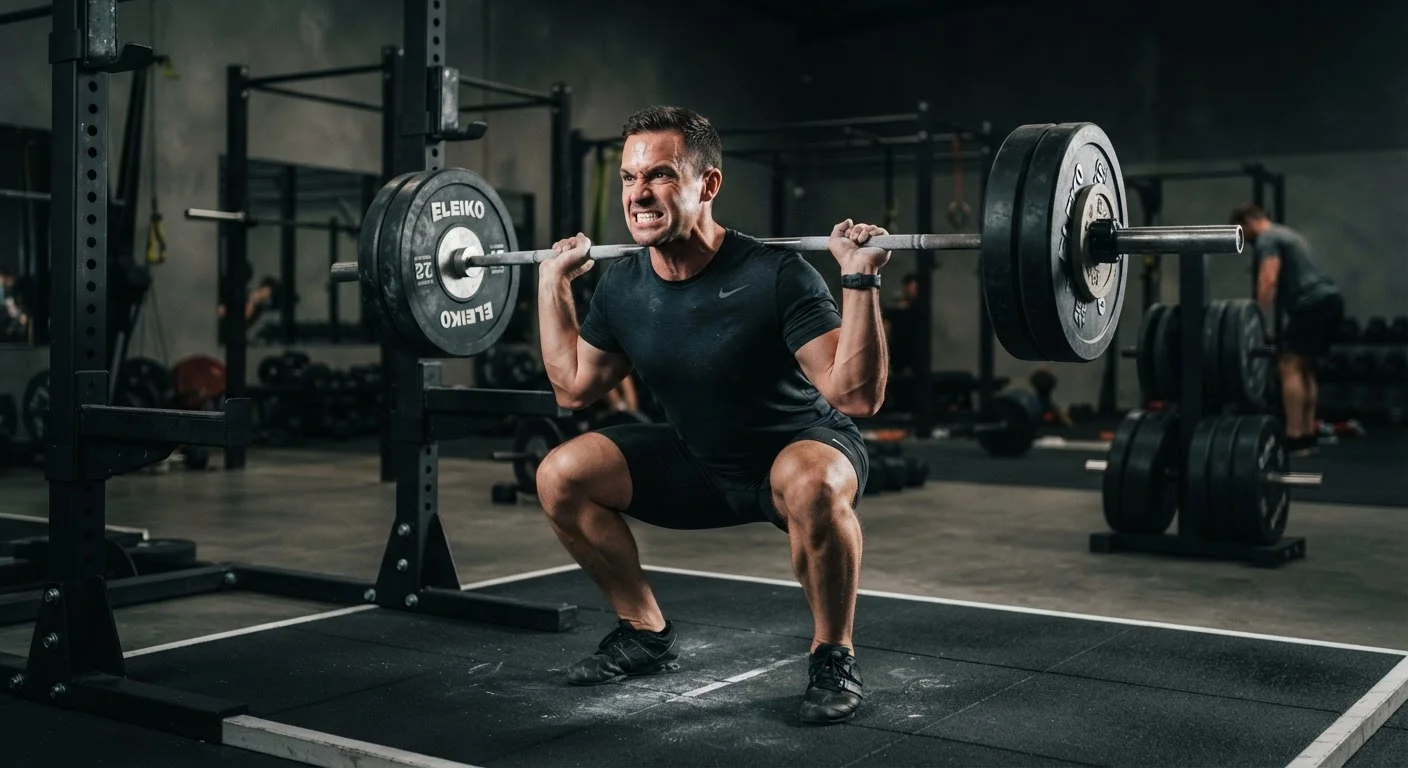
Photo: FeaturingHealth.net | Healthy Living Simplified editorial
Key Takeaways
- Exercise can acutely raise testosterone, but these spikes are short-lived and context-dependent.
- Chronic overtraining can suppress testosterone rather than boost it long-term.
- Resistance training has more consistent hormonal benefits than steady-state cardio.
- Sleep, body composition, and stress management influence testosterone as much as exercise does.
- No single workout style guarantees a lasting increase in resting testosterone levels.
Why the Testosterone-Exercise Conversation Gets Complicated
Walk into any gym and you'll overhear confident claims about which exercises "spike T" and which kill it. Fitness folklore on testosterone is both pervasive and persistent — and much of it is built on a partial reading of the evidence. The reality is that the relationship between exercise and testosterone is dynamic, highly individual, and far more nuanced than most fitness content acknowledges.
Testosterone plays a genuine role in muscle protein synthesis, recovery, libido, bone density, and mood regulation. So it's understandable that men want to know how training affects it. But wanting a clear answer doesn't mean one exists — at least not without important caveats. For a broader look at how male hormones interact with physical activity, see our research-grounded guide to exercise and male hormones.
Myth
Lifting heavy weights will significantly and permanently raise your testosterone levels.
Fact
Resistance training produces short-term testosterone spikes, but the evidence for lasting increases in resting testosterone is limited and inconsistent.
Acute post-exercise increases in testosterone are well-documented — particularly after compound lifts like squats and deadlifts. However, multiple reviews of the literature suggest these elevations are transient, often returning to baseline within 30–60 minutes. Long-term resting testosterone levels are governed by factors including sleep quality, body composition, chronic stress, and age, rather than training volume alone.
Myth
Cardio kills testosterone, so men should avoid it entirely.
Fact
Moderate aerobic exercise does not meaningfully suppress testosterone; chronic, extreme endurance training at high volumes is what the research links to hormonal disruption.
The claim that cardio universally lowers testosterone conflates moderate recreational exercise with elite-level endurance training. Studies of marathon runners and competitive cyclists training at very high volumes do show suppressed testosterone — but these are extreme cases. Regular moderate cardio supports cardiovascular health, body composition, and metabolic function, all of which can indirectly support hormonal balance.
Myth
More training always means more testosterone.
Fact
Overtraining can suppress testosterone by chronically elevating cortisol and stressing the hypothalamic-pituitary-gonadal axis.
There is a dose-response relationship between exercise stress and hormonal response, but it is not linear. When recovery is inadequate relative to training load, cortisol remains chronically elevated, which can blunt testosterone production. Overtraining syndrome — characterized by persistent fatigue, declining performance, and mood disturbance — is a recognized clinical phenomenon associated with hormonal suppression.
Myth
Testosterone levels after a workout are a reliable indicator of your hormonal health.
Fact
Post-exercise testosterone measurements reflect acute physiological response, not baseline hormonal status, and are not clinically meaningful in isolation.
Testosterone fluctuates significantly throughout the day — peaking in the early morning and declining through the afternoon. Measuring it after exercise adds another variable. Clinically, testosterone status is assessed through standardized blood draws, typically in the morning after fasting and rest, not post-workout. Interpreting a gym-adjacent measurement as a health indicator is not supported by endocrinological practice.
Myth
Specific "testosterone-boosting" exercises can fix clinically low testosterone.
Fact
Exercise is a supportive lifestyle factor, not a treatment for clinically diagnosed low testosterone (hypogonadism).
If a man has clinically low testosterone confirmed through proper testing and medical evaluation, exercise alone is not an adequate or evidence-based treatment. Hypogonadism has recognized medical causes and established treatment pathways. While physical activity supports overall hormonal health as part of a healthy lifestyle, it should not be framed as a substitute for clinical care. For an evidence-based overview of treatment options, see our article on testosterone replacement therapy.
What the Research Actually Shows
Studies consistently show that resistance training produces an acute post-exercise rise in testosterone — particularly with compound, multi-joint movements performed at moderate-to-high intensity. However, these elevations typically last less than an hour before returning to baseline. Whether short-term hormonal spikes translate into meaningful long-term changes in resting testosterone remains a genuinely contested area of research.
15–30 min
Typical duration of post-exercise testosterone elevation
Research published in sports physiology journals indicates that acute testosterone increases following resistance training generally resolve within 15 to 30 minutes post-exercise.
~1% per year
Average testosterone decline after age 30
According to the American Urological Association, total testosterone declines by approximately 1–2% per year after age 30, with lifestyle factors influencing the rate of change.
Chronic overtraining presents a particular risk. When training volume and intensity consistently outpace recovery, cortisol — the primary stress hormone — remains chronically elevated. This suppresses the hypothalamic-pituitary-gonadal axis, which governs testosterone production. In practical terms: more isn't always better. For a deeper look at why recovery is as important as the workout itself, read our article on rest and recovery in men's fitness.
Body composition also matters significantly. Excess visceral body fat is associated with increased conversion of testosterone to estrogen via aromatase activity. This relationship, alongside insulin resistance, creates a feedback loop that can compound hormonal imbalance over time. Our article on insulin, testosterone, and body fat explores this triangle in detail.
Overtraining Can Backfire Hormonally
If you have concerns about your hormone levels, the appropriate first step is always a conversation with a qualified healthcare provider — not a new training protocol. For a broader context on male hormonal health, see our overview of men's hormonal health myths.
This article is for general informational purposes only and does not constitute medical advice. Always consult a qualified healthcare professional before making changes to your training, nutrition, or health management.
The content on this site is for informational purposes only and is not a substitute for professional advice. Always consult a qualified professional for guidance specific to your situation.