
Exercise and Male Hormones: What the Research Actually Supports

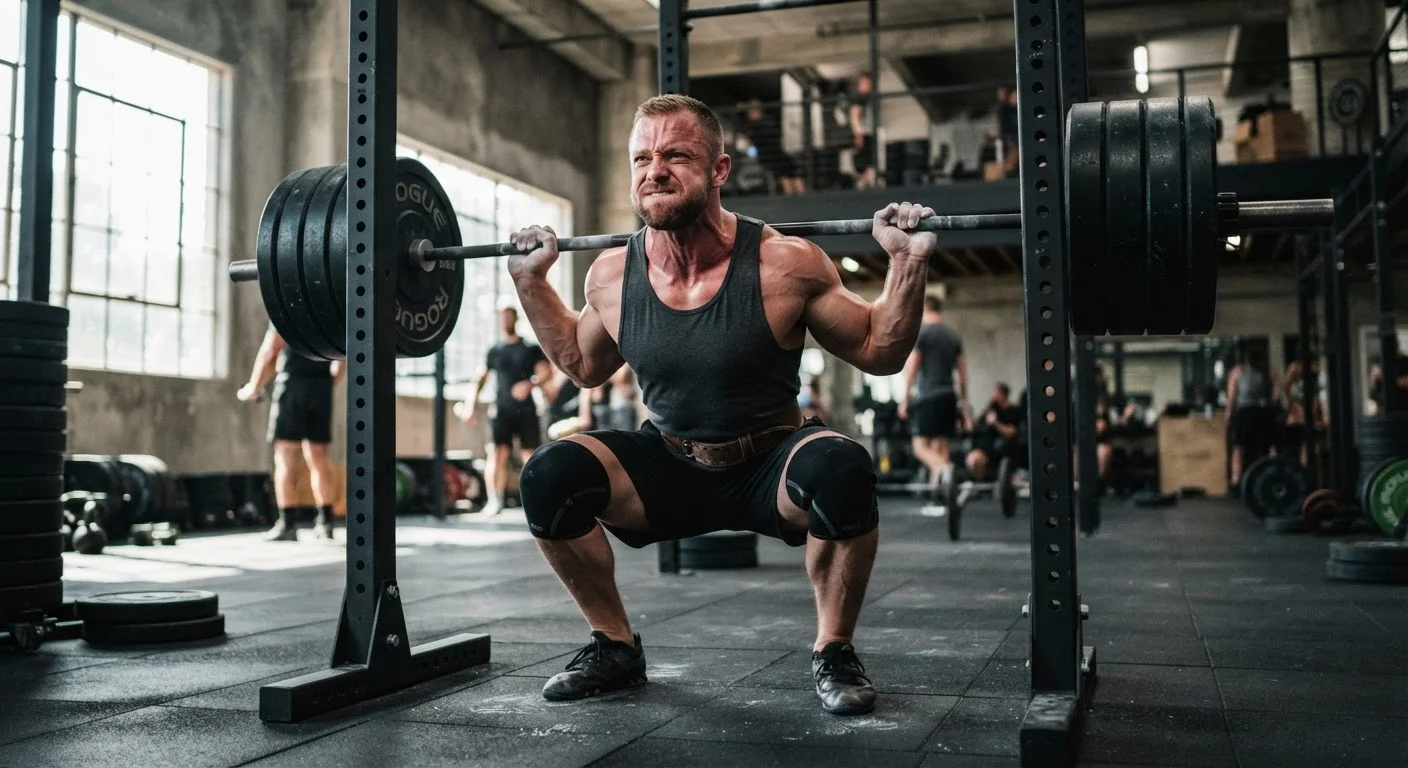
Photo: FeaturingHealth.net | Healthy Living Simplified editorial
How Exercise Interacts With Male Hormones
Exercise is one of the most potent lifestyle levers available to men for supporting hormonal wellbeing — but the relationship is more nuanced than popular fitness culture often suggests. Testosterone, cortisol, insulin, and growth hormone all respond to physical stress in ways that depend heavily on exercise type, intensity, volume, and recovery. Understanding those distinctions matters if you want your training to work with your hormonal physiology rather than against it.
| Hormones most affected by exercise | Testosterone, cortisol, growth hormone, insulin |
| Best exercise type for acute testosterone response | Multi-joint resistance training at moderate-to-heavy loads (Journal of Strength and Conditioning Research) |
| Testosterone peak post-exercise | 15–30 minutes after resistance training |
| Sleep and testosterone | Under 6 hours/night associated with reduced testosterone levels (JAMA, 2011) |
| Overtraining risk | High-volume endurance training without recovery can suppress testosterone |
| Population most likely to see long-term training benefit | Older or sedentary men beginning regular resistance training |
For a deeper look at how body fat and insulin resistance complicate the hormonal picture, see our breakdown of the insulin-testosterone-body fat relationship.
Resistance Training and Testosterone: What Studies Show
Resistance training — particularly multi-joint, compound movements like squats, deadlifts, and rows — produces acute increases in circulating testosterone. This response is transient, typically peaking 15–30 minutes post-exercise and returning to baseline within an hour, according to research published in sports physiology literature. It does not appear to permanently raise resting testosterone in healthy young men, though some studies suggest modest long-term benefits in older or sedentary populations.
The hormonal response is most pronounced when training involves large muscle groups, moderate-to-heavy loads (roughly 70–85% of one-rep max), and limited rest intervals. Volume matters too — too little stimulus produces a smaller signal; too much without adequate recovery can suppress output. Separating testosterone fact from fitness folklore is essential before interpreting gym-floor claims.
Testosterone
The primary male sex hormone, produced mainly in the testes, that influences muscle mass, bone density, libido, mood, and other physiological functions. It is regulated by the hypothalamic-pituitary-gonadal (HPG) axis.
Cortisol
A glucocorticoid hormone released by the adrenal glands in response to physical and psychological stress. While necessary in acute situations, chronically elevated cortisol can suppress testosterone production and impair recovery.
Anabolic
Relating to metabolic processes that build or repair tissue. Anabolic hormones like testosterone and growth hormone promote muscle protein synthesis and tissue maintenance.
HPA Axis
The hypothalamic-pituitary-adrenal axis — a central stress-response system that regulates cortisol secretion. Chronic activation through overtraining can disrupt the HPG axis and suppress testosterone.
Pregnenolone
A steroid hormone precursor produced from cholesterol that serves as the starting material for both testosterone and cortisol. When cortisol demand is high, less pregnenolone may be available for testosterone synthesis.
Periodization
A structured approach to training that cycles intensity, volume, and recovery phases over time. Periodized programs are designed to maximize adaptation while reducing overtraining and hormonal suppression.
Cardio, Cortisol, and the Overtraining Risk
Aerobic exercise has well-established cardiovascular and metabolic benefits, but its relationship with testosterone is less straightforward. Moderate-intensity steady-state cardio has a relatively neutral effect on testosterone in most men. High-volume endurance training, however — such as training for marathons or cycling century rides — is consistently associated with suppressed testosterone and elevated cortisol in the research literature.
Cortisol is a catabolic stress hormone that, when chronically elevated, can blunt testosterone production through a shared biochemical pathway involving the precursor hormone pregnenolone. This is sometimes called cortisol steal, though the precise mechanisms remain an area of ongoing research. The practical takeaway: chronic overtraining without adequate recovery creates a hormonal environment that works against many of the goals men train for. See what research says about exercise and stress for context on managing that load.
For a direct comparison of training formats, HIIT versus steady-state cardio for men covers how each affects physiology and recovery demands.
15%
Testosterone reduction from sleep restriction
A study published in JAMA found that healthy young men sleeping under 5 hours per night showed testosterone levels 10–15% lower than when sleeping 8 hours.
↑ Cortisol
Hormonal effect of chronic high-volume endurance training
Multiple studies in exercise endocrinology document elevated resting cortisol and suppressed testosterone in overtrained endurance athletes.
Recovery Is Where Hormonal Adaptation Happens
Training is the stimulus; recovery is where adaptation occurs. Sleep is particularly critical — testosterone secretion follows a circadian pattern strongly tied to sleep quality and duration. Research consistently shows that sleep restriction (under six hours per night) is associated with significantly reduced testosterone in adult men. Growth hormone, which works alongside testosterone to support muscle repair, is secreted primarily during slow-wave sleep.
Rest days and periodized training programs allow cortisol to normalize and anabolic signals to take effect. Men who train hard daily without planned recovery phases frequently plateau or regress hormonally, even when their nutrition is sound. Recovery is the most underestimated component of male fitness, and it deserves the same strategic attention as any training session.
This article is for informational purposes only and does not constitute medical advice. If you have concerns about hormonal health, speak with a qualified healthcare provider who can evaluate your individual circumstances.
The content on this site is for informational purposes only and is not a substitute for professional advice. Always consult a qualified professional for guidance specific to your situation.