
Men's Hormonal Health: Separating Common Myths from the Evidence

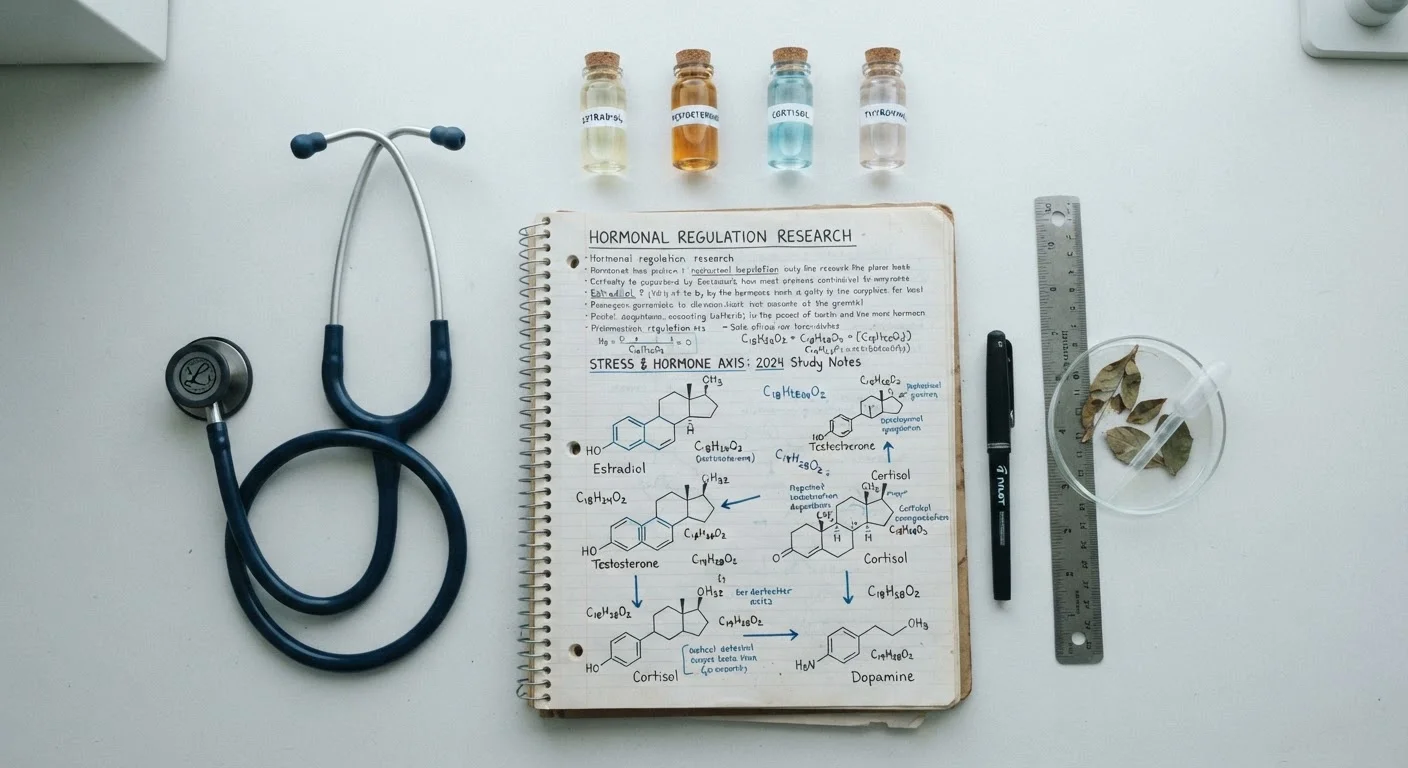
Photo: FeaturingHealth.net | Healthy Living Simplified editorial
Key Takeaways
- Testosterone levels decline gradually with age, but significant drops are not an inevitable part of healthy aging.
- Most over-the-counter supplements marketed for testosterone have little to no robust clinical evidence supporting their claims.
- Symptoms like fatigue and low libido have many possible causes; low testosterone is only one — and not the most common.
- Lifestyle factors including sleep quality, chronic stress, and body composition measurably influence hormonal health.
- A clinician-ordered blood panel is the only reliable way to assess whether hormone levels are outside a healthy range.
Why Hormonal Myths Persist — and Why They Matter
Men's hormonal health sits at a crossroads of genuine science, wellness marketing, and cultural mythology. The result is a landscape where widely repeated claims — about testosterone crashes after 40, miracle supplements, and the meaning of everyday symptoms — often bear little resemblance to what peer-reviewed research actually shows.
These misconceptions carry real consequences. They can lead men to self-medicate with unproven products, dismiss symptoms that deserve clinical attention, or, conversely, pathologize normal physiological variation. Understanding what the evidence actually says is a practical health skill.
For a broader look at how testosterone functions across multiple body systems, see what testosterone actually does in the body.
Myth
Testosterone levels inevitably crash after the age of 40, leaving men hormonally depleted.
Fact
Testosterone declines gradually — roughly 1–2% per year after age 30 — but a significant symptomatic drop is not an inevitable part of healthy aging for most men.
Research, including data from large longitudinal studies, shows that average testosterone levels do decrease with age, but the trajectory is gradual and highly variable between individuals. Many men maintain levels well within a healthy functional range through their 50s and beyond. Significant hypogonadism — clinically low testosterone — is a diagnosable condition, not a universal milestone. How testosterone shifts across the decades is more nuanced than popular culture suggests.
Myth
Over-the-counter supplements labeled 'testosterone boosters' are an effective and evidence-based way to raise hormone levels.
Fact
The clinical evidence for most commercially available testosterone-boosting supplements is weak, inconsistent, or absent.
A frequently cited review published in The World Journal of Men's Health examined ingredients common to testosterone supplements and found that the majority lacked rigorous human clinical trial support for the claimed hormonal effects. Ingredients such as tribulus terrestris, fenugreek, and various herbal blends have shown limited, inconsistent results in well-designed randomized controlled trials. Some formulations also carry risks of drug interactions or undisclosed ingredients. If hormonal deficiency is genuinely suspected, the appropriate pathway is clinical evaluation — not a supplement aisle.
Myth
If you feel fatigued, have low libido, or feel flat emotionally, low testosterone is probably the cause.
Fact
These symptoms are non-specific and share a long differential diagnosis; low testosterone is one possible contributor among many.
Fatigue, reduced sex drive, and mood changes are among the most common complaints in primary care and can be caused by sleep disorders, depression, thyroid dysfunction, cardiovascular conditions, anaemia, and dozens of other conditions. Attributing them automatically to testosterone without testing is clinically unreliable. Low libido in men is frequently misunderstood for exactly this reason. A fasting morning blood test measuring total and free testosterone, alongside other relevant markers, is the appropriate starting point.
Myth
Testosterone replacement therapy (TRT) is a safe, straightforward anti-aging treatment suitable for most middle-aged men.
Fact
TRT is a medical treatment for clinically confirmed hypogonadism, with meaningful benefits and documented risks that require individualized clinical assessment.
TRT has demonstrated benefits for men with medically confirmed low testosterone — including improvements in energy, mood, bone density, and sexual function. However, it is associated with risks including erythrocytosis (excess red blood cell production), suppression of natural testosterone production, and impacts on fertility. The evidence on cardiovascular outcomes remains an area of active research and ongoing clinical debate. A balanced overview of TRT underscores that it is not a wellness upgrade — it is a treatment decision made with a clinician.
Myth
Testosterone is the only hormone that matters for men's health.
Fact
Men's hormonal health involves a complex system including cortisol, insulin, thyroid hormones, DHEA, LH, FSH, and oestradiol — all of which interact with testosterone and affect wellbeing.
Testosterone is the most culturally prominent androgen, but it operates within a broader endocrine network. The hypothalamic-pituitary-gonadal (HPG) axis regulates testosterone production via luteinizing hormone (LH) and follicle-stimulating hormone (FSH). Thyroid hormones influence metabolism, energy, and mood in ways that can mimic testosterone deficiency. The thyroid's role in men's energy and metabolism is frequently overlooked. Understanding what each hormone panel marker actually measures helps contextualize any single result.
What the Evidence Says About Lifestyle and Hormones
Correcting myths is only half the picture. Understanding which lifestyle factors genuinely influence hormonal health allows men to make evidence-informed decisions rather than guesses.
~1–2%
Annual testosterone decline after age 30
Based on longitudinal population data, average testosterone levels decrease gradually — not abruptly — in healthy aging men.
~25%
Drop in testosterone after one week of sleep restriction
A study published in JAMA found that young healthy men sleeping five hours per night showed testosterone reductions of up to 15–25% compared to full-sleep conditions.
~75%
Testosterone-booster supplements lacking clinical evidence
A review in The World Journal of Men's Health found that the majority of ingredients in popular testosterone supplements had little or no robust clinical support for their marketed effects.
Sleep is among the most well-documented influences on testosterone. Research consistently shows that restricted or disrupted sleep — even short-term — is associated with measurable reductions in testosterone levels. The connection between sleep and hormones is one most men underestimate.
Body composition matters, too. Adipose tissue — particularly visceral fat — expresses the enzyme aromatase, which converts testosterone into oestradiol. Carrying excess body fat can therefore affect the testosterone-to-oestrogen ratio, independent of age.
Chronic psychological stress elevates cortisol, and sustained high cortisol has been associated in research with suppressed testosterone production. This is a physiological relationship, not a metaphor.
For a practical, evidence-grounded framework, explore daily habits that support hormonal balance in men.
Supplements Are Not a Clinical Substitute
This article is for informational purposes only and does not constitute medical advice. If you have concerns about your hormonal health or symptoms, consult a qualified healthcare professional for evaluation and guidance.
The content on this site is for informational purposes only and is not a substitute for professional advice. Always consult a qualified professional for guidance specific to your situation.