
Pelvic Floor Health: What It Is and Why It Deserves Attention

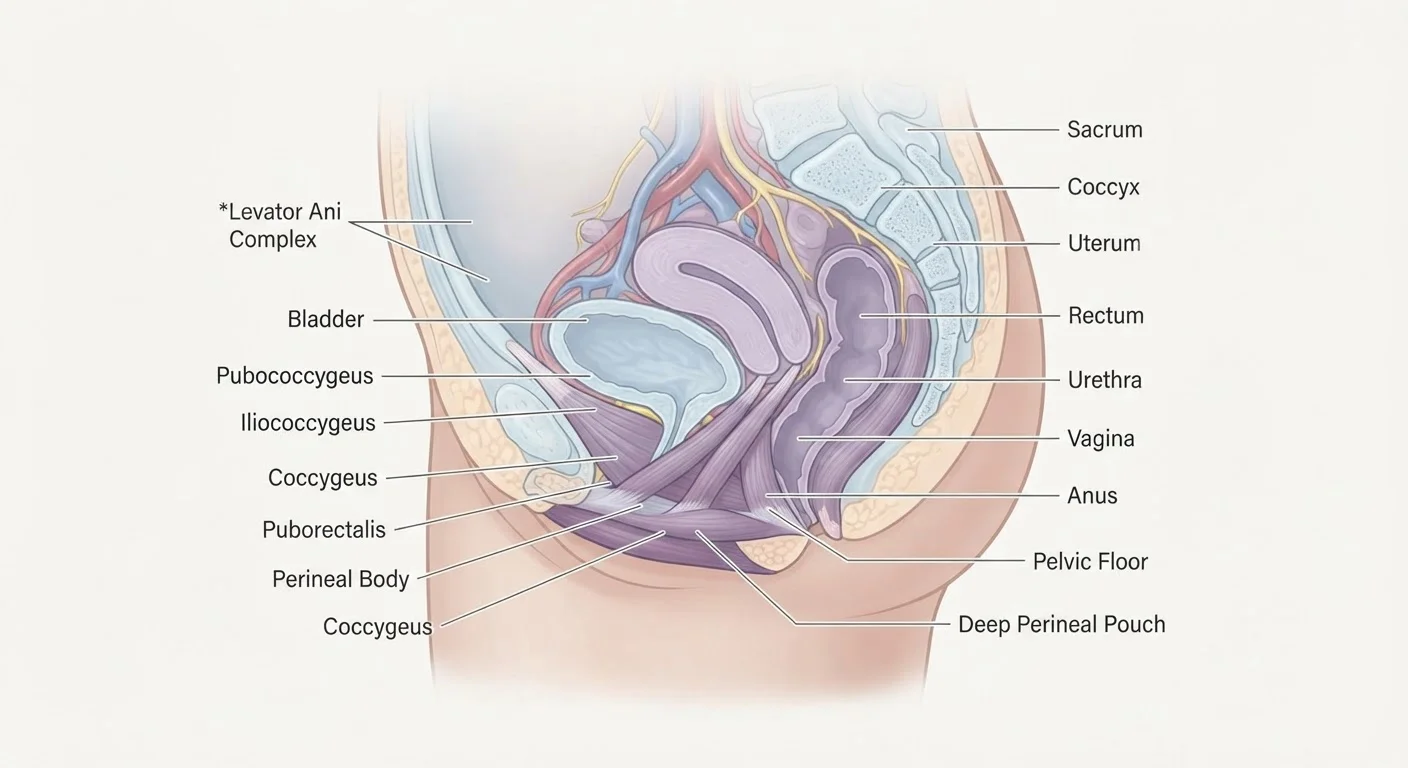
Photo: FeaturingHealth.net | Healthy Living Simplified editorial
Key Takeaways
- The pelvic floor is a group of muscles and connective tissues supporting the bladder, uterus, and rectum.
- Weakness or tension in these muscles can affect bladder control, sexual comfort, and core stability.
- Pregnancy, menopause, chronic straining, and high-impact activity are among the most common influencing factors.
- Many pelvic floor concerns respond well to targeted physiotherapy when identified early.
- General lifestyle habits — including posture, hydration, and bowel health — all play a supporting role.
What Is the Pelvic Floor?
The pelvic floor is a group of muscles, ligaments, and connective tissues that form the base of the pelvis. Shaped roughly like a hammock, these structures stretch from the pubic bone at the front to the tailbone at the back, supporting the bladder, uterus, and rectum.
Pelvic floor
A group of muscles, ligaments, and connective tissues forming the base of the pelvis that supports the bladder, uterus, and rectum.
Stress urinary incontinence
Leaking urine during activities that increase abdominal pressure, such as coughing, sneezing, or exercise — a common result of pelvic floor weakness.
Pelvic organ prolapse
A condition where one or more pelvic organs descend from their normal position due to weakened pelvic floor support, sometimes causing a feeling of pressure or bulging.
Hypertonic pelvic floor
A pelvic floor that is excessively tight or unable to fully relax, which can cause pain, sexual discomfort, and difficulty with urination or bowel movements.
Intra-abdominal pressure
The pressure that builds inside the abdominal cavity during activities like lifting, coughing, or straining — forces that the pelvic floor must manage and resist.
Pelvic floor physiotherapy
A specialized form of physical therapy focusing on assessment and treatment of pelvic floor muscle dysfunction, with evidence-based applications for incontinence, prolapse, and pelvic pain.
Unlike skeletal muscles you might consciously train at the gym, the pelvic floor operates largely below conscious awareness — contracting and relaxing in coordination with breathing, posture, and movement. It plays roles in urinary and bowel control, sexual function, and core stability. Because it sits out of sight and rarely makes the short list of muscles people think about, its health tends to go unaddressed until problems emerge.
Why Pelvic Floor Health Matters
A well-functioning pelvic floor underpins several everyday functions that are easy to take for granted. When these muscles are weak, overly tight, or poorly coordinated, the effects can extend well beyond the pelvis.
- Bladder and bowel control: Leaking urine when coughing, sneezing, or exercising — known clinically as stress urinary incontinence — is among the most widely reported pelvic floor symptoms. Urgency incontinence (a sudden, strong need to urinate) is also linked to pelvic floor dysfunction.
- Pelvic organ prolapse: When pelvic floor support weakens significantly, pelvic organs can descend toward or into the vaginal canal. This may produce a sensation of heaviness, pressure, or a visible bulge.
- Sexual health: Muscle tension, poor blood flow, or nerve involvement can contribute to pain during sex, reduced sensation, or difficulty with arousal. These are legitimate clinical concerns, not inevitable features of aging.
- Core and postural stability: The pelvic floor works as part of an integrated deep core system alongside the diaphragm and abdominal muscles. Dysfunction here can contribute to low back and hip discomfort.
For a broader look at how pelvic and reproductive structures interact, the vaginal microbiome primer explores another often-overlooked dimension of reproductive wellbeing.
Factors That Influence Pelvic Floor Function
Pelvic floor function is shaped by a combination of biological, lifestyle, and life-stage factors. Understanding these helps contextualize why symptoms may appear — or intensify — at particular times.
Track symptoms before your appointment
- Pregnancy and childbirth
- The weight of a growing uterus places sustained load on pelvic floor tissues. Vaginal birth, particularly prolonged or instrumental deliveries, can stretch or damage muscle fibers and nerves. Cesarean birth does not eliminate risk, as pelvic floor strain begins during pregnancy itself.
- Hormonal changes
- Estrogen plays an important role in maintaining the elasticity and strength of pelvic tissues. Declining estrogen during perimenopause and menopause can make these tissues thinner and more prone to dysfunction. Similar shifts occur during breastfeeding.
- Chronic straining
- Regularly straining during bowel movements — often related to constipation — places repetitive downward pressure on pelvic structures. Over time, this can contribute to weakening and prolapse risk.
- High-impact exercise without adequate support
- While physical activity is broadly beneficial, high-impact exercise performed with poor form or in the early postpartum period before tissues have recovered can increase load on the pelvic floor.
- Body weight and chronic cough
- Sustained increases in intra-abdominal pressure — from obesity or a persistent cough — can gradually affect pelvic floor integrity over time.
Recognizing Signs Worth Discussing With a Clinician
Many people normalize pelvic floor symptoms because they are common — but common does not mean inevitable or untreatable. The following experiences are worth raising with a healthcare provider or pelvic floor physiotherapist:
- Leaking urine during physical activity, sneezing, coughing, or laughing
- A frequent or urgent need to urinate that is difficult to defer
- A feeling of heaviness, dragging, or pressure in the pelvic region
- Pain or discomfort during or after sexual activity
- Difficulty fully emptying the bladder or bowel
- Pelvic pain that persists without a clear explanation
Pelvic symptoms are not something to simply accept
Pelvic floor physiotherapy is a specialized field with strong clinical evidence behind it for conditions including incontinence and prolapse. Referral pathways vary, but a primary care provider or gynecologist can advise on accessing this support. For readers interested in how urinary and reproductive structures intersect in different anatomies, prostate health and sexual function offers related context.
Everyday Habits That Support Pelvic Health
While targeted physiotherapy addresses specific dysfunction, general lifestyle habits form a supportive foundation for pelvic floor health at any life stage.
- Stay well hydrated: Adequate fluid intake helps maintain healthy urine concentration, reducing bladder irritation. Contrary to a common misconception, restricting fluids does not reliably improve continence and can worsen it.
- Support bowel regularity: A fiber-rich diet and sufficient hydration reduce the need to strain. If constipation is ongoing, speak with a healthcare provider rather than relying on habitual straining.
- Be mindful of posture and breathing: Breathing patterns and sitting posture influence intra-abdominal pressure. Shallow, chest-dominant breathing and chronic breath-holding can affect how the pelvic floor coordinates with the rest of the core.
- Attend routine reproductive health screenings: Regular appointments provide an opportunity to raise pelvic concerns in a clinical setting. Cervical screening appointments, for example, are a practical moment to discuss any pelvic symptoms you may have been hesitant to raise.
This article is for general informational and educational purposes only and does not constitute medical advice. If you are experiencing pelvic symptoms or have concerns about your reproductive or urinary health, please consult a qualified healthcare professional.
Frequently Asked Questions
The content on this site is for informational purposes only and is not a substitute for professional advice. Always consult a qualified professional for guidance specific to your situation.