
Vaginal Microbiome Basics: What It Is and How It Affects Health

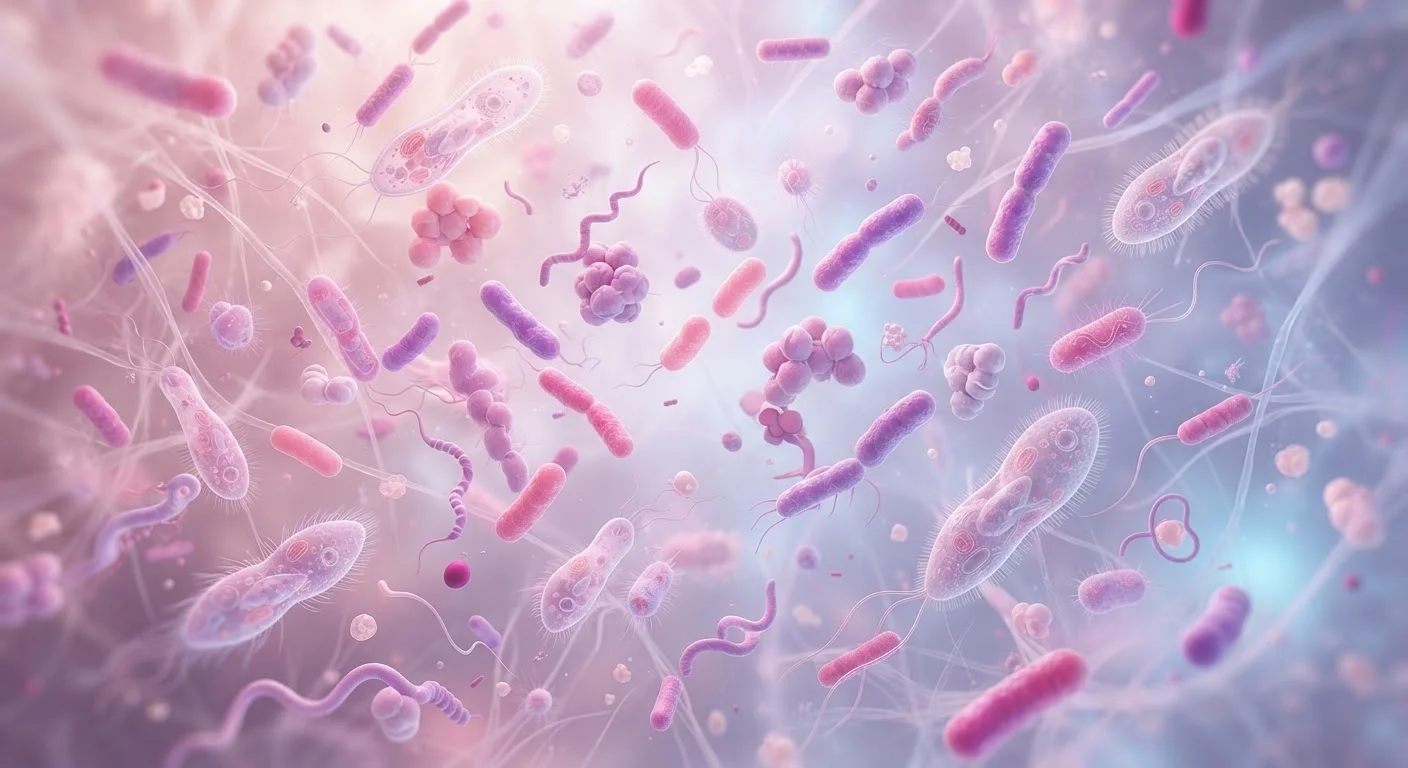
Photo: FeaturingHealth.net | Healthy Living Simplified editorial
Key Takeaways
- Lactobacillus bacteria dominate a healthy vaginal microbiome and help maintain an acidic, protective environment.
- Disruptions to the vaginal microbiome are associated with bacterial vaginosis, yeast infections, and increased STI susceptibility.
- Factors like antibiotics, sexual activity, hormonal changes, and hygiene practices can all alter microbiome composition.
- Research on restoring or optimizing the vaginal microbiome is ongoing; no universal supplement or intervention is clinically proven.
- Consult a healthcare provider for symptoms like unusual discharge, odor, or discomfort — these warrant professional evaluation.
What the Vaginal Microbiome Is — and Why It Matters
Every body surface hosts a community of microorganisms, and the vagina is no exception. The vaginal microbiome refers to the collective ecosystem of bacteria, fungi, and other microbes that inhabit vaginal tissue. Unlike the gut microbiome — where diversity is generally considered a marker of health — vaginal health is most often associated with low microbial diversity and the predominance of one key genus: Lactobacillus.
Lactobacillus species produce lactic acid, which lowers vaginal pH to a range of approximately 3.8 to 4.5. This acidic environment acts as a natural barrier against pathogens, including some bacteria and viruses. It also supports the integrity of vaginal tissue. Understanding this ecosystem is part of broader reproductive wellbeing — much like how pelvic floor health influences function across multiple body systems.
~30%
Reproductive-age individuals affected by BV
The CDC estimates bacterial vaginosis affects approximately 1 in 3 people with vaginas at some point during reproductive years.
4 species
Primary Lactobacillus species in the vaginal microbiome
Research identifies L. crispatus, L. iners, L. jensenii, and L. gasseri as the four most clinically significant vaginal Lactobacillus species.
3.8–4.5
Healthy vaginal pH range
This acidic range, maintained largely by Lactobacillus-produced lactic acid, is associated with a lower risk of infection and inflammation.
What Disrupts Microbiome Balance
The vaginal microbiome is dynamic. Its composition shifts in response to hormonal changes, external exposures, and health events. Several well-documented factors can reduce Lactobacillus dominance and increase microbial diversity in ways that raise health risks:
- Antibiotics: Broad-spectrum antibiotics kill beneficial bacteria alongside pathogens, often temporarily destabilizing the microbiome.
- Hormonal fluctuations: Estrogen supports Lactobacillus growth by stimulating glycogen production in vaginal cells — the substrate Lactobacillus feeds on. Drops in estrogen during menopause or postpartum can reduce protective bacteria.
- Sexual activity: Semen is alkaline and can raise vaginal pH. New or multiple partners also introduce novel microbial exposures.
- Hygiene practices: Douching and scented vaginal products remove beneficial bacteria and disrupt pH. Clinical evidence strongly advises against internal vaginal cleansing.
- Menstruation: Blood has a near-neutral pH and temporarily alters the vaginal environment each cycle.
Simple Steps That Support Vaginal Balance
Associated Health Conditions
When Lactobacillus populations decline significantly, the vaginal environment becomes more hospitable to anaerobic bacteria and other organisms. The most common result is bacterial vaginosis (BV) — a condition affecting a substantial proportion of reproductive-age individuals. BV is characterized by a thin, grayish discharge and a distinctive odor, though many people experience no symptoms at all.
Beyond discomfort, a disrupted vaginal microbiome has been associated in research with:
- Increased susceptibility to sexually transmitted infections (STIs), including HIV
- Higher rates of preterm birth and pregnancy complications
- Greater risk of pelvic inflammatory disease (PID)
- Recurrent yeast infections (Candida overgrowth)
It is important to note that association does not equal causation — researchers are still working to understand whether microbiome changes cause these outcomes or occur alongside them. This parallels ongoing questions in gut microbiome research, where established science and popular claims often diverge.
What Current Research Suggests — and Its Limits
Interest in the vaginal microbiome has accelerated significantly over the past decade, driven in part by advances in DNA sequencing that allow precise microbial mapping. Researchers have identified distinct community state types (CSTs), each defined by which bacterial species dominate. Most CSTs are Lactobacillus-dominant, but CST IV — marked by high microbial diversity and low Lactobacillus — appears most frequently in studies linking microbiome disruption to health risks.
Despite this progress, clinical translation remains limited. No specific probiotic formulation is FDA-approved for vaginal microbiome restoration. Dietary interventions have not been shown to reliably shift vaginal microbial composition in controlled trials. Some topical lactic acid preparations show promise for maintaining pH, but evidence is preliminary.
The takeaway for readers: be cautious of products marketed with microbiome claims that outpace current science. If you experience symptoms such as unusual discharge, persistent odor, itching, or discomfort, seek evaluation from a qualified healthcare provider rather than self-diagnosing or self-treating.
Microbiome Composition Varies Naturally
This article is for informational purposes only and is not a substitute for professional medical advice, diagnosis, or treatment. Always consult a qualified healthcare provider regarding any health concerns.
Frequently Asked Questions
The content on this site is for informational purposes only and is not a substitute for professional advice. Always consult a qualified professional for guidance specific to your situation.