
Nutrition Habits That Support Hormonal Balance — and the Evidence Behind Them

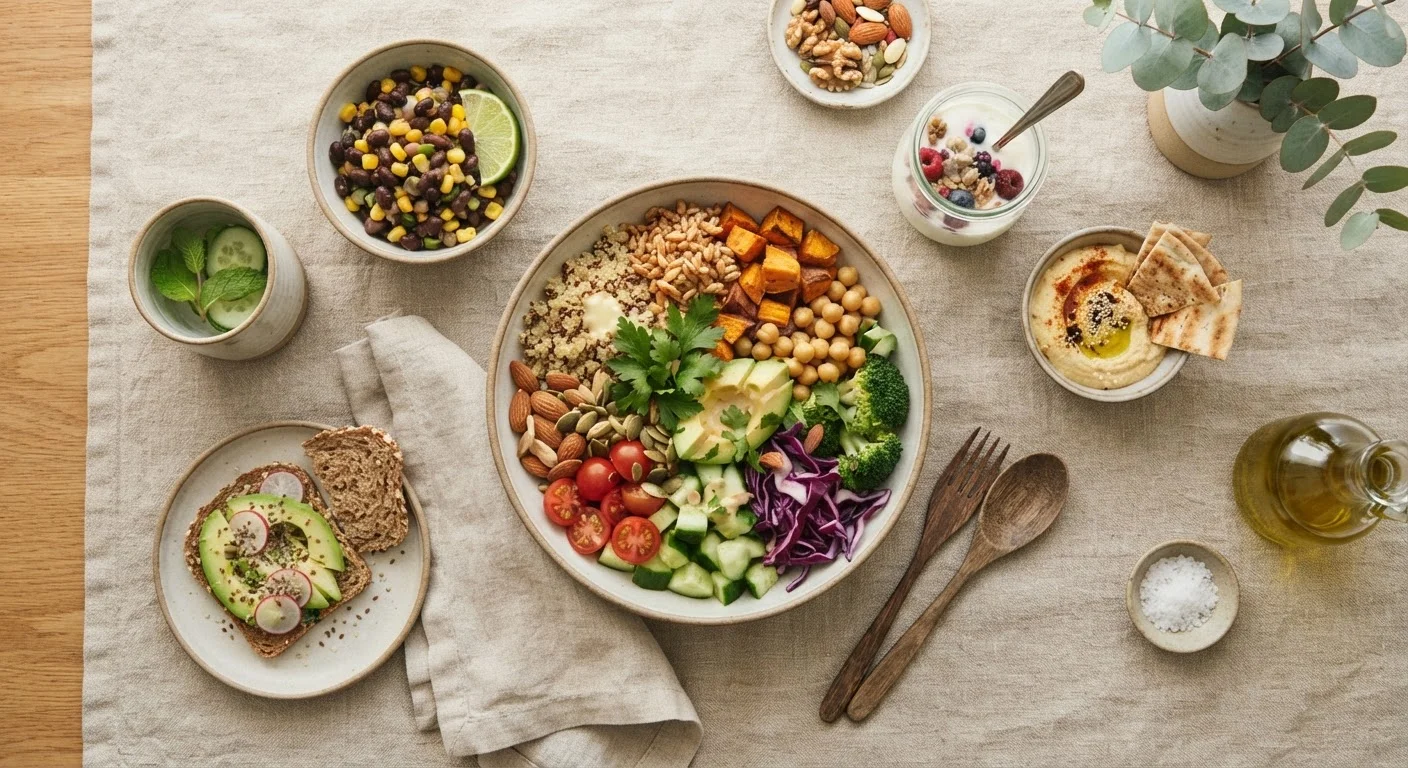
Photo: FeaturingHealth.net | Healthy Living Simplified editorial
Key Takeaways
- No single food 'balances' hormones — consistent dietary patterns matter far more than individual superfoods.
- Fiber, healthy fats, and adequate protein each play distinct, research-supported roles in hormonal regulation.
- Chronic blood sugar instability is one of the most clinically recognized dietary drivers of hormonal disruption.
- Ultra-processed food consumption is linked to inflammation, which can negatively affect endocrine function.
- Always consult a healthcare provider before making significant dietary changes, especially if managing a hormonal condition.
Why Diet and Hormones Are Closely Linked
Hormones — chemical messengers produced by the endocrine system — regulate nearly every physiological process in the body, from metabolism and mood to reproduction and sleep. What we eat directly influences the raw materials available for hormone synthesis, the efficiency of hormone clearance, and the inflammatory environment in which hormones operate.
Understanding these connections can help explain why hormonal health shifts across the lifespan and why dietary choices that support one life stage may need to evolve in another. The science here is nuanced — and worth approaching carefully, as the wellness space is crowded with oversimplified promises that don't hold up to scrutiny.
This article is for informational purposes only and does not constitute medical advice. Consult a qualified healthcare provider for guidance tailored to your individual health situation.
Hormonal Conditions Require Professional Guidance
Evidence-Based Nutrition Practices for Hormonal Wellbeing
The following practices are grounded in peer-reviewed research. They reflect dietary patterns — not individual miracle ingredients — and should be understood as part of an overall healthy lifestyle rather than standalone fixes.
Prioritize dietary fiber from varied whole-food sources daily.
Choose fat sources that include omega-3 fatty acids and minimize industrial trans fats.
Distribute protein intake consistently across meals rather than concentrating it in one sitting.
Limit added sugars and refined carbohydrates to support insulin sensitivity.
Reduce ultra-processed food consumption as a consistent dietary pattern.
What the Numbers Reflect
Population-level research consistently finds associations between certain dietary patterns and measurable hormonal outcomes. These statistics don't establish personal causation, but they illustrate why clinicians and researchers continue to focus on diet as a key modifiable factor in hormonal wellbeing.
~70%
Of estrogen metabolism influenced by gut bacteria
Research published in journals including Nature Reviews Endocrinology suggests the gut microbiome significantly modulates circulating estrogen levels through enzymatic activity.
2–3x
Higher PCOS risk associated with high glycemic diets
Epidemiological studies have observed elevated PCOS prevalence in populations with consistently high dietary glycemic load, though causality is complex and multifactorial.
57%
Of US adults' calories from ultra-processed foods
A widely cited analysis of National Health and Nutrition Examination Survey (NHANES) data estimated that ultra-processed foods account for over half of daily caloric intake for many US adults.
For a broader view of how nutrition intersects with whole-body resilience, see our overview of immune-supporting lifestyle habits. The overlapping mechanisms — inflammation, gut health, nutrient availability — are no coincidence.
Where to Start: Practical First Steps
Overhauling your entire diet at once is rarely sustainable. The following actions are achievable entry points that reflect the highest-impact changes identified in the research literature.
For a fuller introduction to building lasting dietary routines, the Healthy Eating Habits hub provides practical frameworks grounded in nutritional science. And if you're new to thinking about hormonal health holistically, this grounded introduction is a useful place to begin.
Progress Over Perfection in Dietary Change
If you are pregnant, managing a chronic condition such as PCOS, thyroid disease, or diabetes, or are considering significant dietary changes, please consult a qualified healthcare professional before proceeding. Nutritional needs vary substantially depending on individual health status.
The content on this site is for informational purposes only and is not a substitute for professional advice. Always consult a qualified professional for guidance specific to your situation.