
Immune-Supporting Lifestyle Habits Backed by Research

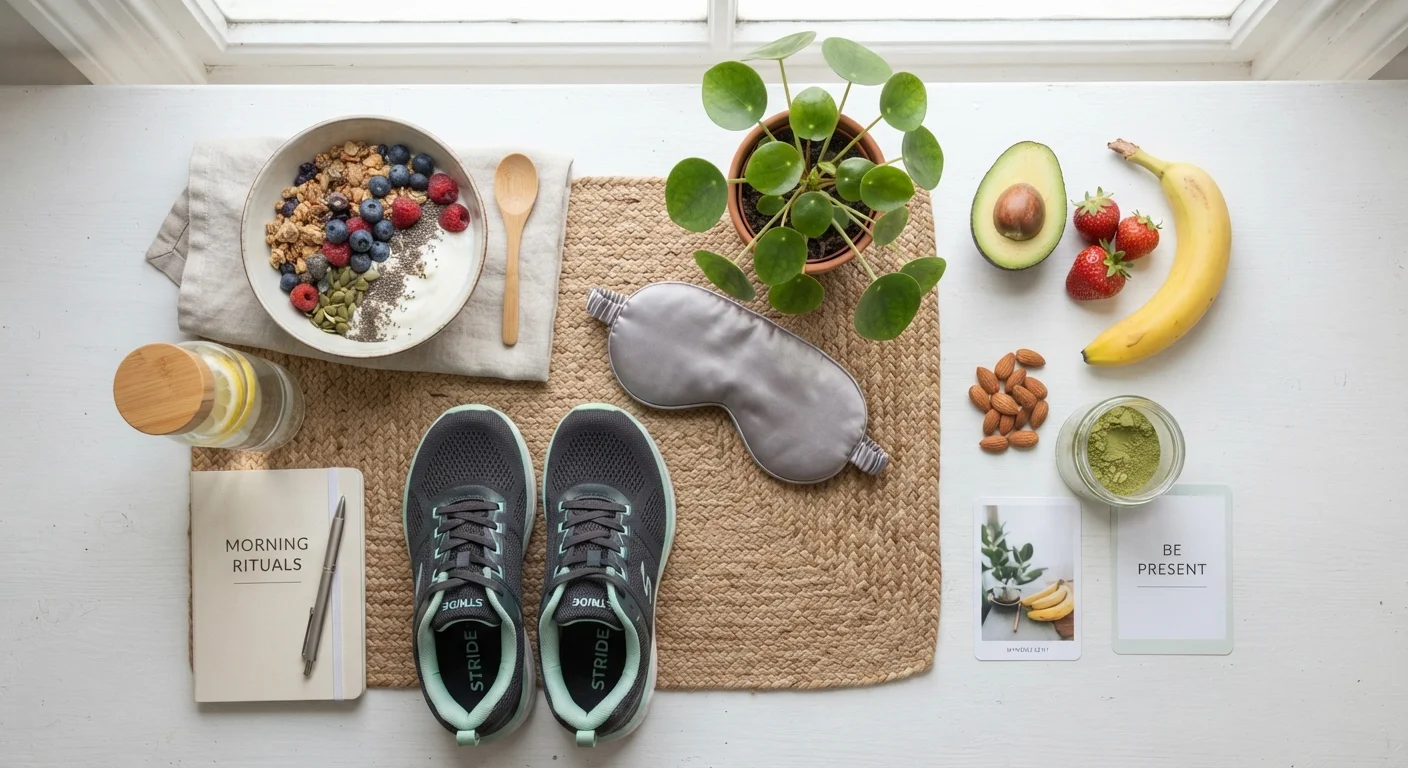
Photo: FeaturingHealth.net | Healthy Living Simplified editorial
Key Takeaways
- Consistent, adequate sleep is one of the most evidence-backed ways to support immune function.
- Chronic psychological stress measurably suppresses key immune responses over time.
- A diet rich in vegetables, fruits, and whole foods provides micronutrients essential for immune defense.
- Moderate regular exercise is associated with improved immune surveillance and reduced inflammation.
- Staying up to date with recommended vaccines remains the most direct way to support immune protection.
Why Lifestyle and Immunity Are Inseparable
The immune system is not a single organ — it is a coordinated network of cells, proteins, and signaling pathways that responds continuously to what the body experiences. Daily choices about sleep, food, physical activity, and stress shape the environment in which that network operates. Research published across immunology and preventive medicine journals consistently shows that lifestyle behaviors are among the most modifiable determinants of immune resilience.
This does not mean any single habit can prevent illness or guarantee protection. It means that, together, these behaviors create conditions that allow immune defenses to function closer to their potential. This article draws on current evidence to outline the practices most consistently associated with stronger immune responses — and explains why each one matters.
For a broader look at how these behaviors overlap with chronic disease prevention, see our research-informed overview of daily habits and disease risk. This content is general health information and is not a substitute for personalized medical guidance — always consult a qualified healthcare provider for your specific situation.
Evidence-Backed Practices for Immune Resilience
The following practices are grounded in peer-reviewed evidence and current clinical guidance. They are presented as population-level recommendations, not individual prescriptions.
Prioritize 7–9 hours of quality sleep every night
Adopt a diet rich in vegetables, fruits, legumes, and whole grains
Engage in moderate-intensity physical activity most days of the week
Limit alcohol consumption and avoid tobacco in all forms
Manage chronic stress through consistent, structured practices
Stress, Mindfulness, and Immune Signaling
The relationship between psychological stress and immune function is one of the most studied areas in psychoneuroimmunology. Chronic stress elevates circulating cortisol and pro-inflammatory cytokines — signaling molecules that, over time, can blunt the body's ability to mount effective immune responses. Short-term stress is a normal part of life; it is the sustained, unmanaged variety that research most consistently links to impaired immunity.
Simple Stress-Reduction Practices With Evidence
Structured mindfulness practices — including breath-focused meditation and body-scan techniques — have demonstrated modest but meaningful reductions in inflammatory markers in controlled trials. Our article on mindfulness and emotional resilience explores what the evidence actually shows about these practices in daily life.
4×
Increased cold susceptibility from short sleep
A controlled viral-exposure study published in Sleep (2015) found participants sleeping under six hours nightly were four times more likely to develop a cold.
40%
Reduced vaccine efficacy linked to chronic stress
Studies in Psychosomatic Medicine have found chronically stressed individuals may produce substantially weaker antibody responses following vaccination.
Vaccines: The Non-Negotiable Layer of Immune Defense
No lifestyle habit substitutes for immunization. Vaccines train the immune system to recognize specific pathogens before exposure occurs — a mechanism no food or exercise regimen can replicate. The ACIP, CDC, and USPSTF publish and regularly update recommended immunization schedules for adults across all age groups.
Adults often underestimate how many vaccines apply to them beyond childhood. Annual influenza vaccination, Tdap boosters, shingles vaccines for those 50 and older, and pneumococcal vaccines for older adults or those with certain health conditions are among the widely recommended options. Discussing your specific vaccination history with a healthcare provider is the most reliable way to identify any gaps.
Staying current with the preventive habits that protect long-term wellness — including vaccination — represents the clearest evidence-based path to sustained immune resilience.
This article is for general informational and educational purposes only and does not constitute medical advice. Always consult a qualified healthcare professional before making changes to your health routine or for guidance on vaccinations and medical decisions specific to your situation.
The content on this site is for informational purposes only and is not a substitute for professional advice. Always consult a qualified professional for guidance specific to your situation.