
Separating Hormonal Fact From Fiction: Widespread Myths Worth Questioning

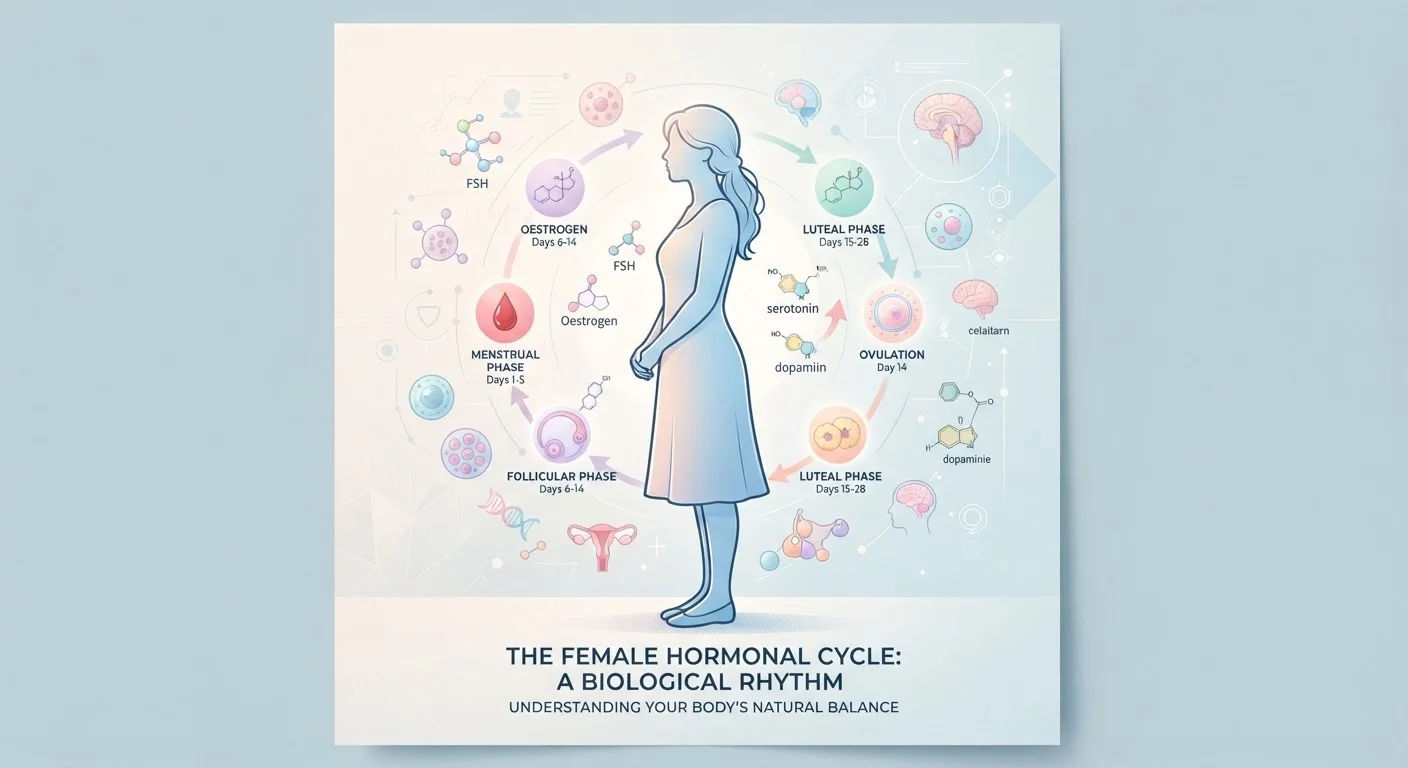
Photo: FeaturingHealth.net | Healthy Living Simplified editorial
Key Takeaways
- Hormonal mood changes are physiologically real, not imagined or exaggerated by women.
- No single superfood or supplement can 'balance' hormones on its own.
- Irregular periods can signal genuine health conditions, not just stress or lifestyle habits.
- Hormonal contraception affects individuals differently; blanket claims about side effects are oversimplified.
- Menopause is a natural transition, not a hormonal disorder requiring universal treatment.
- Hormone testing without symptoms or clinical context rarely provides actionable insight.
Why Hormonal Myths Persist — and Why They Matter
Women's hormonal health is one of the most discussed — and most misunderstood — areas of modern wellness. From social media influencers prescribing seed cycling to friends confidently dismissing period pain as normal, misinformation travels faster than correction. These myths aren't harmless: they can delay diagnoses, erode trust in medical care, and push people toward unproven interventions.
This article addresses some of the most widespread misconceptions about women's hormonal health, correcting each with what established clinical and scientific evidence actually shows. For a parallel look at how similar myths play out in men's health, see men's hormonal health myths examined.
This article provides general health information and education only. It is not a substitute for personalized medical advice. Always consult a qualified healthcare professional with questions about your health.
Myth
Mood swings tied to the menstrual cycle are just emotional overreaction or 'all in your head.'
Fact
Hormonal fluctuations across the menstrual cycle produce measurable neurological and physiological changes that genuinely affect mood, energy, and cognition.
Estrogen and progesterone interact directly with neurotransmitter systems — including serotonin and GABA — that regulate mood and stress response. Research published in peer-reviewed psychiatry and endocrinology journals has consistently documented these interactions. Dismissing premenstrual symptoms as purely psychological not only invalidates real experiences but can delay recognition of conditions like premenstrual dysphoric disorder (PMDD), which is a recognized clinical diagnosis requiring proper care.
Myth
You can fully 'balance' your hormones by eating the right superfoods or taking the right supplements.
Fact
No single food or supplement has been proven to comprehensively regulate hormonal balance in healthy adults.
The hormone system is extraordinarily complex, involving feedback loops between the brain, ovaries, adrenal glands, thyroid, and more. While diet quality does influence hormonal function — and documented nutrient deficiencies can impair it — the idea that a specific food or supplement can recalibrate this entire system is not supported by clinical evidence. Many popular 'hormone-balancing' products are sold without regulatory approval for that claim. Wellness content that promotes macronutrient myths alongside hormonal ones compounds the confusion.
Myth
Irregular periods are almost always caused by stress and aren't worth investigating medically.
Fact
While stress can temporarily affect cycle regularity, persistent irregularity may indicate conditions such as PCOS, thyroid disorders, or hypothalamic dysfunction.
The menstrual cycle is sometimes described as a 'fifth vital sign' because its regularity reflects broader physiological health. Stress-related disruption is real, but attributing all irregularity to lifestyle factors can delay diagnosis of underlying conditions. Anyone experiencing cycles that are consistently shorter than 21 days, longer than 35 days, or frequently absent should speak with a healthcare provider rather than defaulting to a stress explanation.
Myth
Hormonal contraception causes mood problems in all women who use it.
Fact
Research shows that mood responses to hormonal contraception vary significantly between individuals; many women report no adverse mood effects or even improvement.
The relationship between hormonal contraception and emotional wellbeing is nuanced and does not follow a universal pattern. Some studies have identified associations between certain formulations and mood changes in subsets of users, while others have not found significant effects at a population level. Individual factors — including personal and family history of mood disorders — appear to play an important moderating role. For a balanced, evidence-grounded exploration of this topic, see hormonal contraception and mood research.
Myth
Menopause is a hormonal disorder that should always be treated medically.
Fact
Menopause is a natural biological transition, not a disease; medical intervention is appropriate when symptoms significantly impair quality of life, but it is not universally required.
The framing of menopause as a deficiency state requiring correction has been critiqued within endocrinology and women's health for decades. While hormonal therapies can be highly effective for managing symptoms such as vasomotor episodes and genitourinary changes — and carry appropriate benefits and risks assessed individually — many women transition through menopause without interventions. Decisions about treatment should be made in partnership with a healthcare provider based on individual symptom burden, health history, and preferences.
Myth
Getting a hormone panel done tells you exactly what's wrong with your hormones.
Fact
Hormone levels fluctuate throughout the day and cycle; a single test result is rarely sufficient for diagnosis without clinical context.
Direct-to-consumer hormone testing has grown significantly, often marketed with the promise of revealing hidden imbalances. In reality, hormone levels are dynamic — cortisol peaks in the morning, estrogen rises and falls across the menstrual cycle, and thyroid hormones respond to illness and fasting. A result that appears 'out of range' on a consumer test may be entirely normal given the time of day or cycle phase it was drawn. Meaningful interpretation requires clinical context, symptom history, and often repeat testing. Testing without clear clinical indication frequently produces anxiety rather than answers.
Diet, Supplements, and Hormonal Balance: Setting the Record Straight
Nutrition genuinely influences hormonal health — but not in the all-or-nothing way wellness culture often implies. Certain dietary patterns are associated with steadier hormone levels, including adequate fiber intake, reduced ultra-processed food consumption, and sufficient micronutrient status. Our detailed look at nutrition habits that support hormonal balance unpacks what the research actually shows, without oversimplified supplement promises.
Similarly, claims that specific supplements definitively 'fix' hormonal imbalance are rarely backed by the level of evidence needed to support that conclusion. Supplements may play a role in addressing documented deficiencies — but only under clinical guidance. Self-prescribing based on trending wellness content introduces risk of interactions, misdiagnosis, and delayed care.
~90%
Women reporting premenstrual symptoms
Research estimates that approximately 90% of women of reproductive age experience some premenstrual symptoms, with around 5% meeting criteria for PMDD, according to data reviewed in the American Journal of Psychiatry.
1 in 10
Women of reproductive age affected by PCOS
The World Health Organization estimates that polycystic ovary syndrome affects approximately 8–13% of women of reproductive age globally, making it one of the most common endocrine conditions.
Varies widely
Individual response to hormonal contraception
Systematic reviews note that mood-related responses to combined hormonal contraceptives differ substantially across individuals, with no single formulation producing uniform psychological effects.
If you're concerned that your diet may be affecting your hormonal health, a registered dietitian or your primary care provider is the right starting point — not a product label.
When to Talk to a Healthcare Provider
Distinguishing normal hormonal fluctuation from a condition that warrants evaluation is not always straightforward — and that's exactly why professional assessment matters. Symptoms such as severely irregular cycles, persistent fatigue, unexplained weight changes, or significant mood disruption deserve clinical attention, not self-diagnosis via an app or wellness quiz.
Conditions like polycystic ovary syndrome (PCOS) are frequently misrepresented online. Understanding what PCOS actually involves — based on established science rather than myth — is important for anyone navigating a diagnosis or seeking answers. Our article on PCOS myths and medical reality is a useful starting point.
Unverified 'Hormone Balancing' Products Carry Risk
Hormonal health is complex, individual, and shaped by genetics, age, environment, and overall health status. Reliable information and a trusted clinical relationship are the two most powerful tools available to any woman navigating this terrain.
This article is for informational purposes only and is not medical advice. Consult a qualified healthcare professional for guidance specific to your situation.
The content on this site is for informational purposes only and is not a substitute for professional advice. Always consult a qualified professional for guidance specific to your situation.