
Starting Resistance Training After 40: A Practical Entry Point for Women

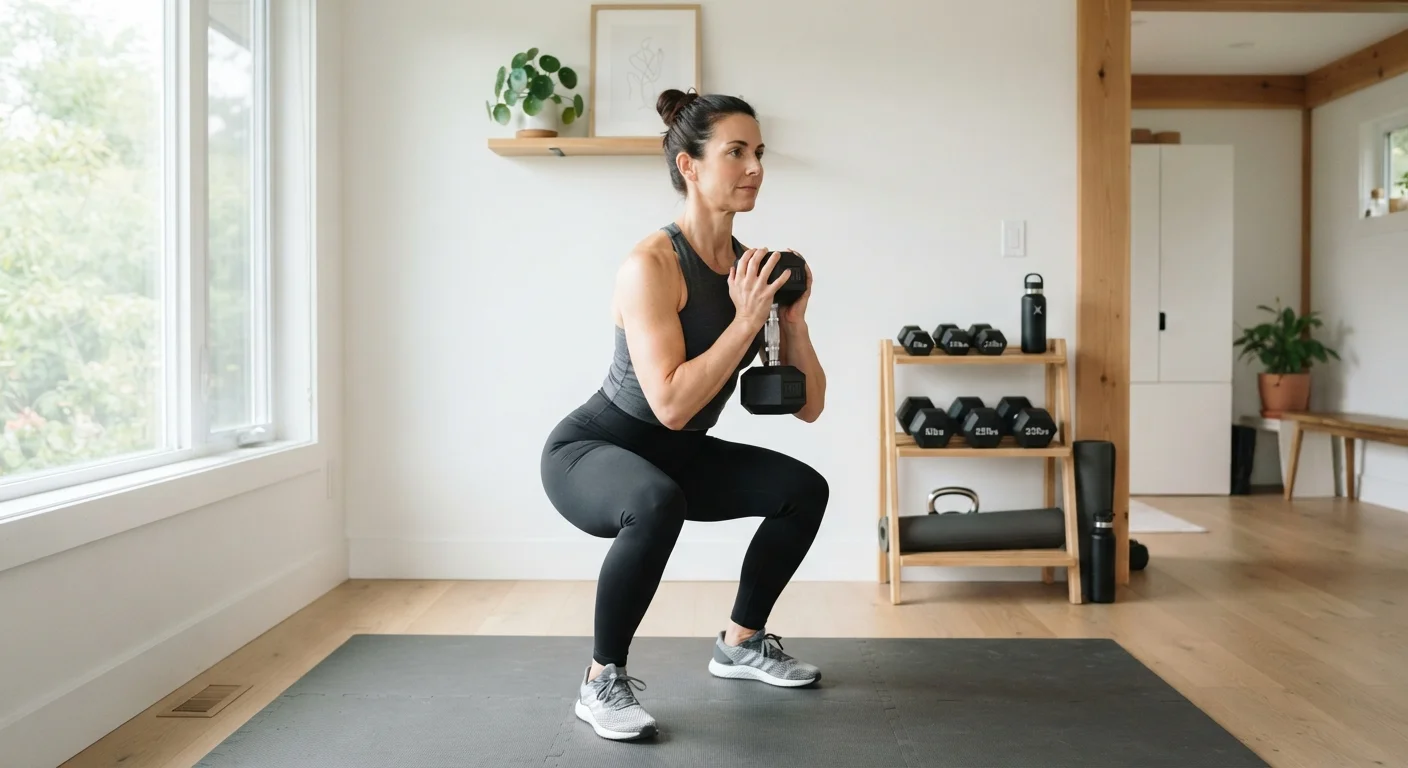
Photo: FeaturingHealth.net | Healthy Living Simplified editorial
Key Takeaways
- Muscle loss accelerates after 40, making resistance training one of the most effective countermeasures available.
- Beginners see meaningful strength gains within 6–8 weeks, largely driven by neural adaptations before significant muscle growth occurs.
- Starting with two sessions per week and compound movements is a well-supported entry point for most women.
- Hormonal changes during perimenopause affect recovery and body composition, but do not prevent strength gains.
- Always consult a healthcare provider before beginning a new exercise programme, especially if managing a chronic condition.
Why Resistance Training Matters More After 40
The case for starting resistance training in your 40s is grounded in biology. From around the age of 30, adults begin losing muscle mass at a rate of roughly 3–8% per decade — a process called sarcopenia. After 40, this decline can accelerate, compounding changes in bone density, metabolic rate, and functional strength. Resistance training is one of the few lifestyle interventions with strong evidence for slowing or partially reversing these changes.
Beyond muscle preservation, regular strength work supports insulin sensitivity, cardiovascular health, and psychological wellbeing. For women specifically, the years around 40 often coincide with the early phases of hormonal transition — making this an especially meaningful time to build a stronger physical foundation. As our guide on why women's muscles respond differently to strength training explains, female physiology brings distinct advantages and considerations that are worth understanding before you begin.
Sarcopenia
The gradual, age-related loss of muscle mass and strength. It begins in early adulthood but accelerates significantly after 40 and can be slowed with regular resistance training.
Neuromuscular adaptation
The process by which your nervous system learns to recruit muscle fibers more efficiently in response to training. This accounts for most early strength gains in beginners, before significant muscle growth occurs.
Compound movement
An exercise that involves multiple joints and muscle groups working together simultaneously — such as a squat or row — as opposed to single-joint isolation exercises like a bicep curl.
Progressive overload
The principle of gradually increasing the demand placed on your muscles over time — through more weight, more repetitions, or less rest — so that adaptation continues to occur.
Perimenopause
The transitional phase before menopause, typically beginning in a woman's 40s, during which hormonal fluctuations can affect energy, recovery, body composition, and bone density.
DOMS
Delayed onset muscle soreness — the muscle achiness felt 24 to 72 hours after unfamiliar or intense exercise. It is a normal response to training stress and typically reduces as the body adapts.
What to Expect in the First Few Weeks
Beginners often experience meaningful strength gains surprisingly quickly — typically within six to eight weeks. In this early phase, most of the improvement comes not from muscle growth but from neuromuscular adaptation: your nervous system becomes more efficient at recruiting muscle fibers. This is encouraging news for women starting later in life, as these neural gains occur regardless of age.
Expect some muscle soreness, particularly after your first few sessions. Delayed onset muscle soreness (DOMS) — the achiness felt 24–72 hours after unfamiliar exercise — is normal and typically diminishes as your body adapts. It is not a reliable indicator of workout quality. If soreness is severe or pain is sharp and localized, stop and seek guidance from a healthcare or exercise professional.
Keep a Simple Training Log
Foundational Movements to Start With
Rather than building a programme around isolated exercises, most evidence-informed practitioners recommend anchoring beginner training in compound movement patterns — exercises that engage multiple muscle groups and joints simultaneously. These deliver greater functional carry-over to daily life and are time-efficient.
The five patterns worth prioritising are: squat (e.g., goblet squat), hinge (e.g., Romanian deadlift), push (e.g., incline press or wall push-up), pull (e.g., seated row or band pull-apart), and carry (e.g., farmer's carry). Our deeper look at movement patterns worth prioritising in women's strength programmes walks through each pattern in detail.
Start with two sessions per week, working through two to three sets of eight to twelve repetitions per exercise. Choose a load that feels moderately challenging by the final two repetitions — not so light that there's no effort, not so heavy that form breaks down.
Training Safely: Load, Recovery, and Knowing Your Limits
The most common beginner mistake is progressing load too quickly. A conservative and well-supported approach is to increase weight only when you can complete all prescribed repetitions with sound technique across two consecutive sessions. This is sometimes called double progression and keeps injury risk low while still driving adaptation.
Recovery is not optional — it is where adaptation happens. Aim for at least 48 hours between sessions that train the same muscle groups. Prioritise sleep, as this is when muscle repair and hormonal regulation peak. Nutrition matters too: adequate protein intake supports muscle protein synthesis, though specific targets should be discussed with a registered dietitian rather than applied as a blanket recommendation.
Pain Is Not the Same as Soreness
If you are managing a chronic health condition, have a history of osteoporosis, or are postoperative, consult your doctor or a physiotherapist before beginning any strength programme. Exercise professionals with relevant qualifications can also help you modify movements to suit your current capacity.
How Hormonal Shifts Shape Your Training
Women in their 40s are often in perimenopause — the transitional phase leading up to menopause, during which estrogen and progesterone levels fluctuate. These shifts can affect energy levels, sleep quality, recovery speed, and body composition, particularly around the midsection. Understanding this context helps set realistic expectations and prevents discouragement.
The good news is that resistance training is one of the most effective tools available during this transition. Evidence suggests it supports bone mineral density (important as estrogen declines), improves insulin sensitivity, and can positively influence mood and sleep. For a more detailed look at how changing hormone levels interact with exercise tolerance and recovery, see our guide on fitness approaches that support women during perimenopause.
Progress may feel uneven — some weeks feel strong, others depleted. Tracking your sessions, even informally, helps you identify patterns and adjust training intensity accordingly rather than pushing through when your body signals otherwise.
This article is for general informational and educational purposes only and does not constitute medical advice. Always consult a qualified healthcare professional before starting a new exercise programme, particularly if you have existing health conditions or are taking medication.
Frequently Asked Questions
The content on this site is for informational purposes only and is not a substitute for professional advice. Always consult a qualified professional for guidance specific to your situation.