
Pelvic Floor Health and Exercise: What Every Active Woman Should Understand

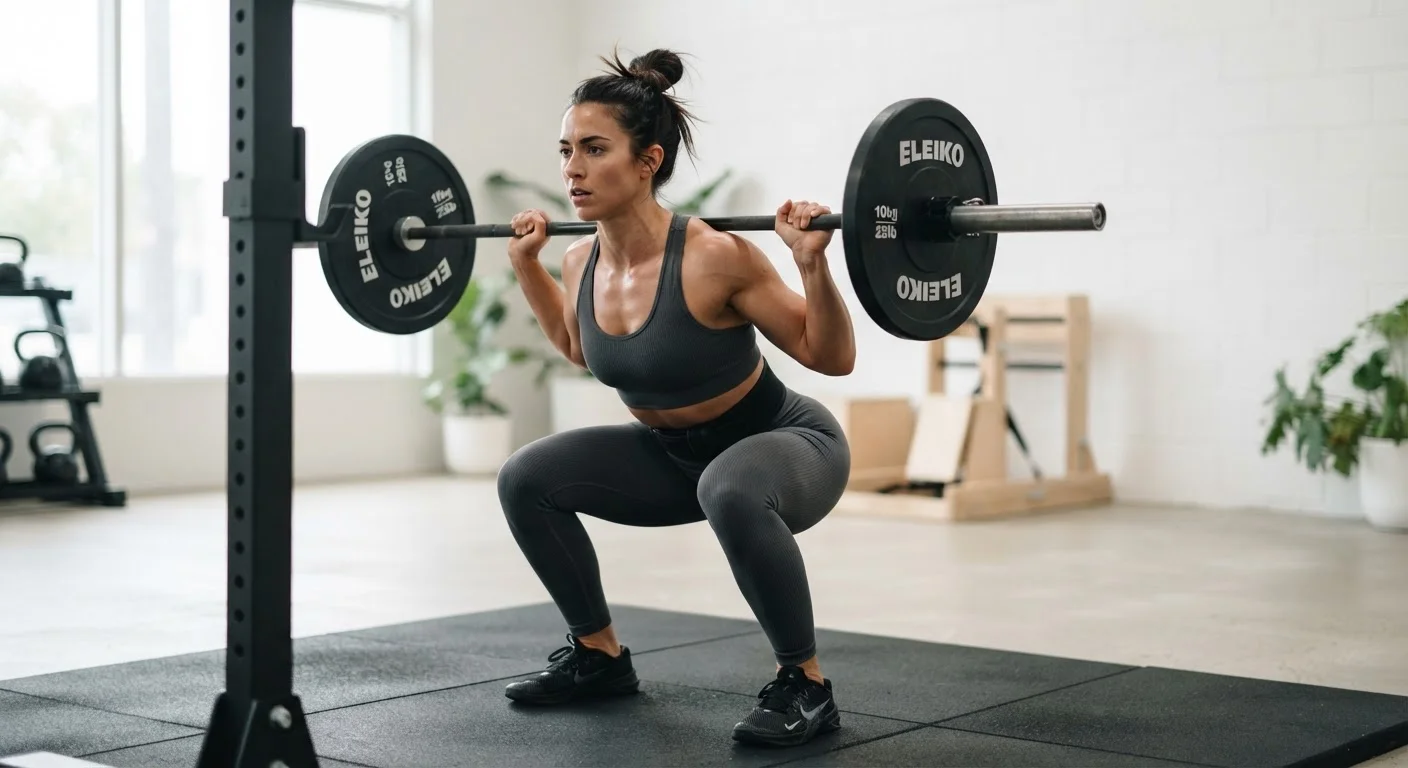
Photo: FeaturingHealth.net | Healthy Living Simplified editorial
Key Takeaways
- The pelvic floor functions as part of the broader core system and is directly engaged during many common exercises.
- High-impact and heavy-load activities place the greatest demands on pelvic floor muscles.
- Leaking urine during exercise is common but not considered a normal or unavoidable outcome.
- Both a weak and an overly tight pelvic floor can impair exercise performance and daily function.
- A pelvic floor physiotherapist can assess individual function and guide exercise modification.
- Pelvic floor health considerations are relevant across all stages of a woman's life, not just postpartum.
Why the Pelvic Floor Matters in Exercise
For many active women, the pelvic floor remains an afterthought — something discussed only in postpartum recovery or after a bladder issue arises. In reality, these muscles are engaged during virtually every workout, functioning as a foundational component of core stability and intra-abdominal pressure management.
When you run, lift, jump, or even brace during a heavy squat, your pelvic floor is part of the coordinated system that keeps your spine stable and your internal organs supported. Understanding this relationship is not just relevant after childbirth — it applies to women at every stage of life and fitness level. For a broader introduction to pelvic floor anatomy and its influence on daily health, see our pelvic floor health primer.
~1 in 3
Women affected by pelvic floor dysfunction
Estimates from pelvic health research suggest approximately one in three women will experience pelvic floor dysfunction at some point in their lives.
Up to 80%
Elite female athletes reporting urinary leakage
Studies of high-impact female athletes, including gymnasts and runners, have found stress urinary incontinence rates as high as 80%, highlighting how common — and underreported — this issue is.
2–3x
Body weight force transmitted per running stride
Biomechanical research indicates that ground reaction forces during running can reach two to three times an individual's body weight, creating significant pelvic floor loading with every step.
Exercise Activities That Place High Demands on the Pelvic Floor
Not all movement creates equal demand. Research consistently identifies high-impact and heavy-load activities as those that generate the greatest intra-abdominal pressure, which in turn demands more of the pelvic floor:
- Running and jumping: Ground reaction forces during running can reach two to three times body weight, transmitted through the pelvis with every stride.
- Olympic lifting and heavy compound strength work: Maximal bracing during deadlifts, squats, and overhead presses creates significant downward pressure on the pelvic floor.
- High-intensity interval training (HIIT): The combination of impact, speed, and fatigue can challenge pelvic floor coordination, especially in longer sessions.
- Gymnastics and plyometrics: Repeated jumping and landing demand rapid, reactive pelvic floor engagement.
This does not mean these activities should be avoided. It means pelvic floor capacity should be considered when progressing training load — in the same way you would consider hip mobility before loading a heavy hinge pattern. See foundational movement patterns for women's strength for context on how these fit into a broader programme.
A Simple Self-Check During Exercise
Weakness vs. Overactivity: Two Different Problems
A widespread misconception is that pelvic floor problems are always caused by weakness, and that the solution is always to do more Kegel exercises. Clinical evidence presents a more nuanced picture.
Some women have pelvic floors that are underactive — muscles that cannot generate enough force or maintain endurance under load. These women may experience stress urinary incontinence (leaking with impact or exertion) or a sense of pelvic heaviness.
Others have pelvic floors that are overactive or hypertonic — chronically contracted muscles that cannot relax effectively. These women may experience pelvic pain, difficulty with penetration, or paradoxically, symptoms that worsen with Kegel exercises.
Because these two presentations require fundamentally different approaches, self-diagnosis is unreliable. A pelvic floor physiotherapist can perform an internal and external assessment to determine the actual state of the muscles and recommend a targeted intervention. This also connects to wider questions around how women's muscles respond to training stimuli — explored in how women's muscles respond differently to strength training.
Practical Guidance for Active Women
Integrating pelvic floor awareness into your training does not require a complete programme overhaul. Several evidence-informed principles apply broadly:
- Progress load gradually. Rapid increases in running volume or lifting weight outpace the pelvic floor's adaptation capacity just as they can outpace tendon or joint adaptation.
- Prioritise breathing mechanics. Breath-holding strategies during heavy lifts create pressure spikes. Learning to coordinate breath with exertion (exhaling on effort in many cases) helps manage intra-abdominal load distribution.
- Treat symptoms as data. Leaking, heaviness, or pelvic pain during exercise are signals, not inconveniences to push through. Modifying load or impact temporarily while seeking assessment is appropriate.
- Consider lower-impact alternatives during recovery periods. Low-impact exercise offers genuine cardiovascular and musculoskeletal benefits while reducing pelvic floor loading — useful during postpartum return-to-exercise or symptom flare periods.
Life Stage Matters for Pelvic Floor Health
This article is for general informational purposes only and does not constitute medical advice. If you are experiencing pelvic floor symptoms, consult a qualified healthcare professional or pelvic health physiotherapist for personalised assessment and guidance.
Frequently Asked Questions
The content on this site is for informational purposes only and is not a substitute for professional advice. Always consult a qualified professional for guidance specific to your situation.