
Bone Density, Exercise, and Women: A Reference Guide

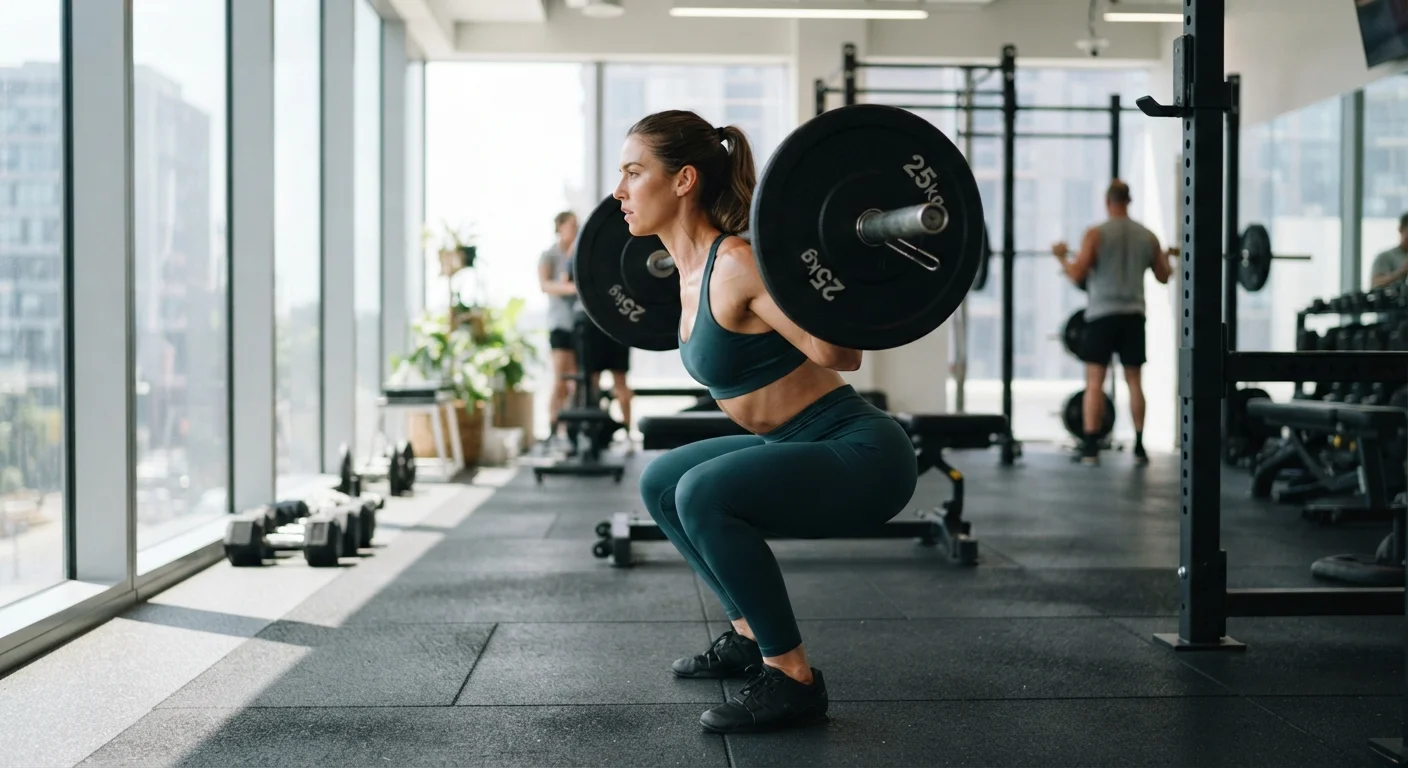
Photo: FeaturingHealth.net | Healthy Living Simplified editorial
Why Bone Density Matters More for Women
Women are disproportionately affected by osteoporosis — a condition characterized by low bone mass and structural deterioration that raises fracture risk. According to the National Osteoporosis Foundation, women can lose up to 20% of their bone density in the five to seven years following menopause, driven largely by the decline in estrogen, a hormone that plays a key role in maintaining bone formation. This biological reality makes building and preserving bone density a central pillar of women's long-term health.
| Peak bone mass achieved by | Late 20s to early 30s (National Institutes of Health, Office of Dietary Supplements) |
| Bone density loss post-menopause (first 5–7 years) | Up to 20% (National Osteoporosis Foundation) |
| Primary hormone protecting bone in women | Estrogen (Established clinical consensus) |
| Best exercise types for bone density | Weight-bearing aerobic exercise and resistance training (American College of Sports Medicine) |
| Key nutrients for bone health | Calcium and Vitamin D (NIH Office of Dietary Supplements) |
| Fracture risk sites in older women | Hip and spine (National Osteoporosis Foundation) |
Peak bone mass is typically reached by the late 20s to early 30s. The higher that peak, the more reserve a woman has to draw on as natural age-related bone loss begins. This means that lifestyle habits in young adulthood — particularly physical activity and nutrition — have implications that extend decades into the future. For guidance on related preventive care, see bone density screening recommendations for women.
Exercise Types That Build and Protect Bone
Not all exercise affects bone equally. The types most supported by evidence for bone health fall into two broad categories:
- Weight-bearing aerobic exercise: Activities that require the skeleton to support body weight against gravity — walking, jogging, dancing, hiking, and stair climbing — stimulate bone remodeling by applying mechanical load to bones.
- Resistance (strength) training: Lifting weights or working against resistance causes muscles to pull on bones, signaling bone-forming cells called osteoblasts to increase activity. Research consistently links progressive resistance training to improved bone mineral density, particularly at the hip and spine — two fracture-prone sites in older women.
Swimming and cycling, while excellent for cardiovascular health and joint-friendly fitness, are not weight-bearing and offer limited direct benefit to bone density. They remain valuable components of a balanced fitness plan but should be paired with weight-bearing or resistance work for bone-specific goals. For a deeper look at how women's muscles respond to strength training, see why women's muscles respond differently to strength training.
Bone Mineral Density (BMD)
A measure of the amount of mineral (primarily calcium) packed into a given volume of bone. Higher BMD generally indicates stronger bones and lower fracture risk. It is typically measured using a DEXA scan.
Osteoporosis
A skeletal condition marked by low bone mass and deterioration of bone tissue, leading to increased bone fragility and fracture risk. It is more common in women, particularly after menopause.
Osteoblasts
Specialized bone cells responsible for synthesizing and mineralizing new bone tissue. Physical loading from exercise stimulates osteoblast activity, supporting bone formation.
Peak Bone Mass
The maximum bone density and strength a person achieves during their lifetime, typically reached in the late 20s to early 30s. A higher peak provides a greater buffer against age-related bone loss.
Weight-Bearing Exercise
Physical activity performed while supporting body weight against gravity, such as walking, jogging, or dancing. These activities apply mechanical stress to bones, stimulating remodeling and strengthening.
Bone Remodeling
The continuous process by which old bone is broken down by cells called osteoclasts and replaced by new bone formed by osteoblasts. Exercise and adequate nutrition help keep this balance in favor of bone formation.
Exercise and Bone Health Across Life Stages
The role of exercise in bone health shifts as women move through different hormonal phases:
- Young adulthood (20s–30s):
- This is the critical window for maximizing peak bone mass. High-impact and resistance exercise during these years produces the greatest long-term bone-building benefit.
- Perimenopause:
- As estrogen levels begin fluctuating, bone turnover accelerates. Maintaining consistent resistance training and weight-bearing activity becomes especially important. See fitness strategies that support women during perimenopause for targeted guidance.
- Post-menopause:
- Bone loss is most rapid in this stage. Exercise remains beneficial for slowing further loss and reducing fall risk. Balance training — such as tai chi or single-leg exercises — becomes increasingly important to prevent the falls that lead to fractures.
Bone health is inseparable from hormonal health more broadly. The women's hormonal health hub offers additional context on how hormonal changes shape long-term wellbeing.
Nutrition's Role: Exercise Alone Is Not Enough
Exercise creates the stimulus for bone formation, but adequate nutrition provides the raw materials. Calcium and vitamin D are the two nutrients most directly tied to bone health. Calcium is incorporated into the bone mineral matrix, while vitamin D supports calcium absorption in the gut. Most adults require consistent daily intake of both — the appropriate amounts vary by age and individual health status, so consult a healthcare provider for personalized targets.
Beyond dairy, many foods contribute meaningfully to calcium intake. Calcium sources beyond dairy covers the range of plant and animal foods that support bone health. Fueling exercise adequately also matters — undereating relative to energy expenditure (a pattern sometimes seen in highly active women) can suppress estrogen and impair bone formation. For general fueling principles, see pre- and post-workout nutrition basics for women.
This article is for general informational purposes only and does not constitute medical advice. Women with concerns about bone density, osteoporosis risk, or exercise safety should consult a qualified healthcare professional.
The content on this site is for informational purposes only and is not a substitute for professional advice. Always consult a qualified professional for guidance specific to your situation.