
Live-Attenuated vs. Inactivated Vaccines: What the Difference Means for You

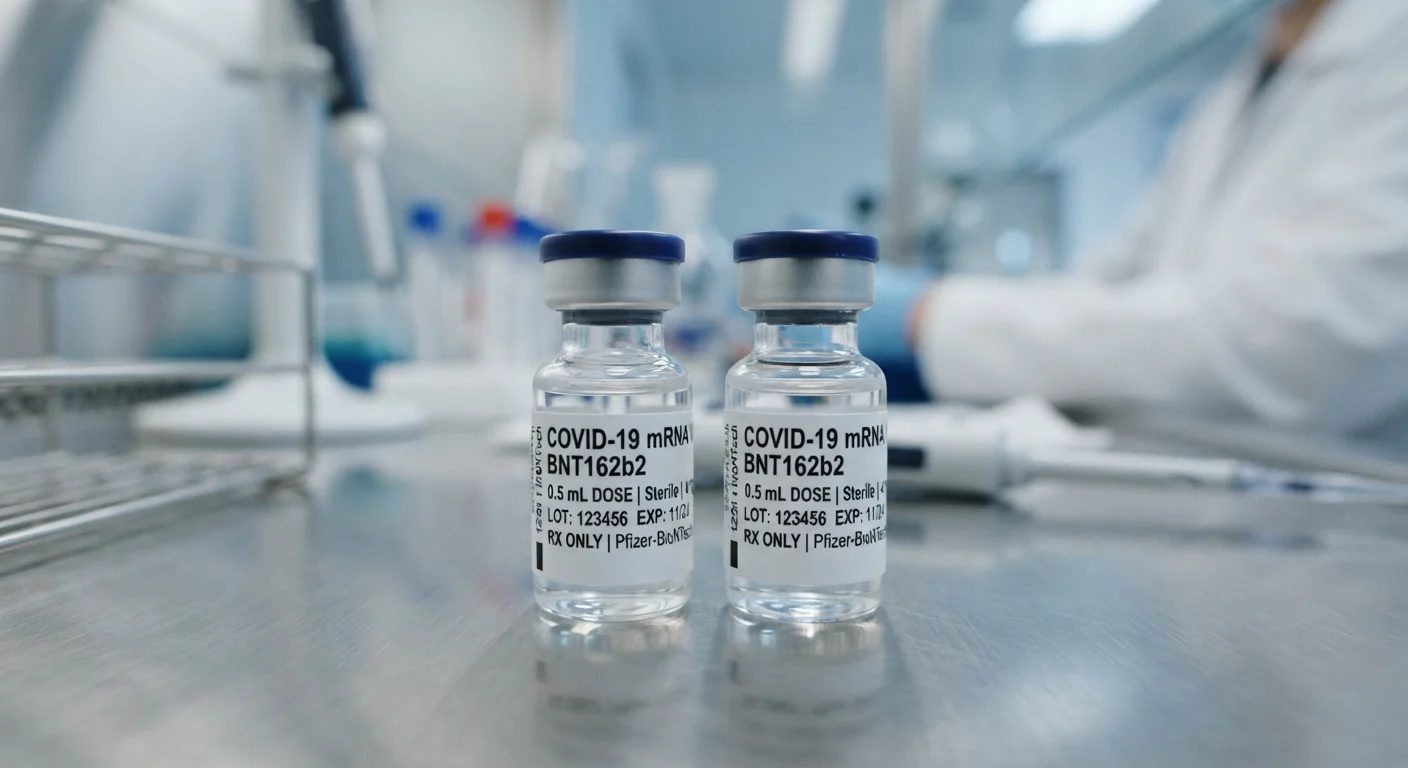
Photo: FeaturingHealth.net | Healthy Living Simplified editorial
Key Takeaways
- Live-attenuated vaccines use weakened but living pathogens; inactivated vaccines use killed or chemically treated pathogens.
- Live-attenuated vaccines typically produce stronger, longer-lasting immunity but are not appropriate for everyone.
- Inactivated vaccines are safe for immunocompromised individuals and pregnant people, though they may require booster doses.
- Both vaccine types are rigorously tested for safety and efficacy before receiving regulatory approval.
- Your healthcare provider is the right person to advise which vaccine type is appropriate for your specific health situation.
How Each Vaccine Type Works
All vaccines train the immune system to recognize and respond to a specific pathogen — but the biological strategy differs significantly between live-attenuated and inactivated types.
Live-attenuated vaccines contain a weakened (attenuated) form of the living virus or bacterium. The pathogen is still capable of replicating inside the body, but at such a reduced capacity that it does not cause disease in healthy people. This replication closely mimics a natural infection, which is why the immune response it generates is typically strong and long-lived. Examples include the measles-mumps-rubella (MMR) vaccine, the varicella (chickenpox) vaccine, and the live attenuated influenza vaccine (LAIV) administered as a nasal spray.
Inactivated vaccines use pathogens that have been killed or chemically inactivated, meaning they cannot replicate at all. The immune system still learns to recognize the pathogen's surface proteins, but the response is generally less intense than with a live vaccine. This is why many inactivated vaccines require multiple doses initially and periodic boosters to maintain protection. Examples include the inactivated influenza (flu shot), hepatitis A, and inactivated polio vaccines.
To understand the downstream immunological events that follow either vaccine type, see our detailed look at how vaccines trigger immune responses.
| Criterion | Live-Attenuated | Inactivated |
|---|---|---|
| Pathogen status | Weakened, still living | Killed or chemically inactivated |
| Replication in the body | Yes, at low levels | No |
| Immune response strength | Typically robust and long-lasting | Moderate; may require boosters |
| Doses typically needed | Often 1–2 lifetime doses | Multiple initial doses plus boosters |
| Safe for immunocompromised | Generally not recommended | Generally appropriate |
| Safe during pregnancy | Usually deferred until postpartum | Many are recommended |
| Common examples | MMR, varicella, yellow fever | Flu shot, hepatitis A, IPV |
Safety Profiles and Who Each Suits
The distinction between living and killed pathogens has direct consequences for which populations can safely receive each vaccine type.
Because live-attenuated vaccines contain replicating organisms, they carry a small but real risk of causing vaccine-related illness in people whose immune systems cannot adequately control even a weakened pathogen. For this reason, the CDC and ACIP generally advise that individuals with severe immunocompromise — such as those receiving chemotherapy, living with advanced HIV, or taking high-dose immunosuppressive medications — avoid most live vaccines. Pregnant individuals are also typically advised to defer live-attenuated vaccines until after delivery, as a precaution.
Inactivated vaccines do not carry this replication risk. They are considered appropriate for immunocompromised individuals and pregnant people, though the immune response they generate may be weaker in someone whose immune system is significantly suppressed. Healthcare providers may adjust vaccination timing or schedules accordingly.
95%+
MMR vaccine effectiveness against measles
Two doses of the live-attenuated MMR vaccine are approximately 97% effective against measles, according to CDC data.
40–60%
Typical seasonal flu shot effectiveness
The inactivated influenza vaccine's effectiveness varies yearly based on circulating strains, per CDC seasonal estimates.
~1 in 1 million
Risk of serious adverse event from MMR
Serious allergic reactions to the MMR live-attenuated vaccine are estimated at fewer than one per million doses, per CDC surveillance data.
It is worth noting that side effects from either vaccine type — such as soreness at the injection site, mild fever, or fatigue — are common and generally reflect a normal immune response rather than illness caused by the vaccine itself. Serious adverse events are rare and are monitored continuously through systems like the CDC's Vaccine Adverse Event Reporting System (VAERS).
For context on how vaccination-derived immunity compares with infection-acquired immunity, the science is explored in depth in our piece on natural immunity vs. vaccine-induced immunity.
Special Populations: Always Consult Your Provider
This article is for general informational and educational purposes only and does not constitute medical advice. Always consult a qualified healthcare professional before making decisions about vaccines or any aspect of your health.
The content on this site is for informational purposes only and is not a substitute for professional advice. Always consult a qualified professional for guidance specific to your situation.