
Cancer Screenings Demystified: Colonoscopy, Mammogram, and Beyond

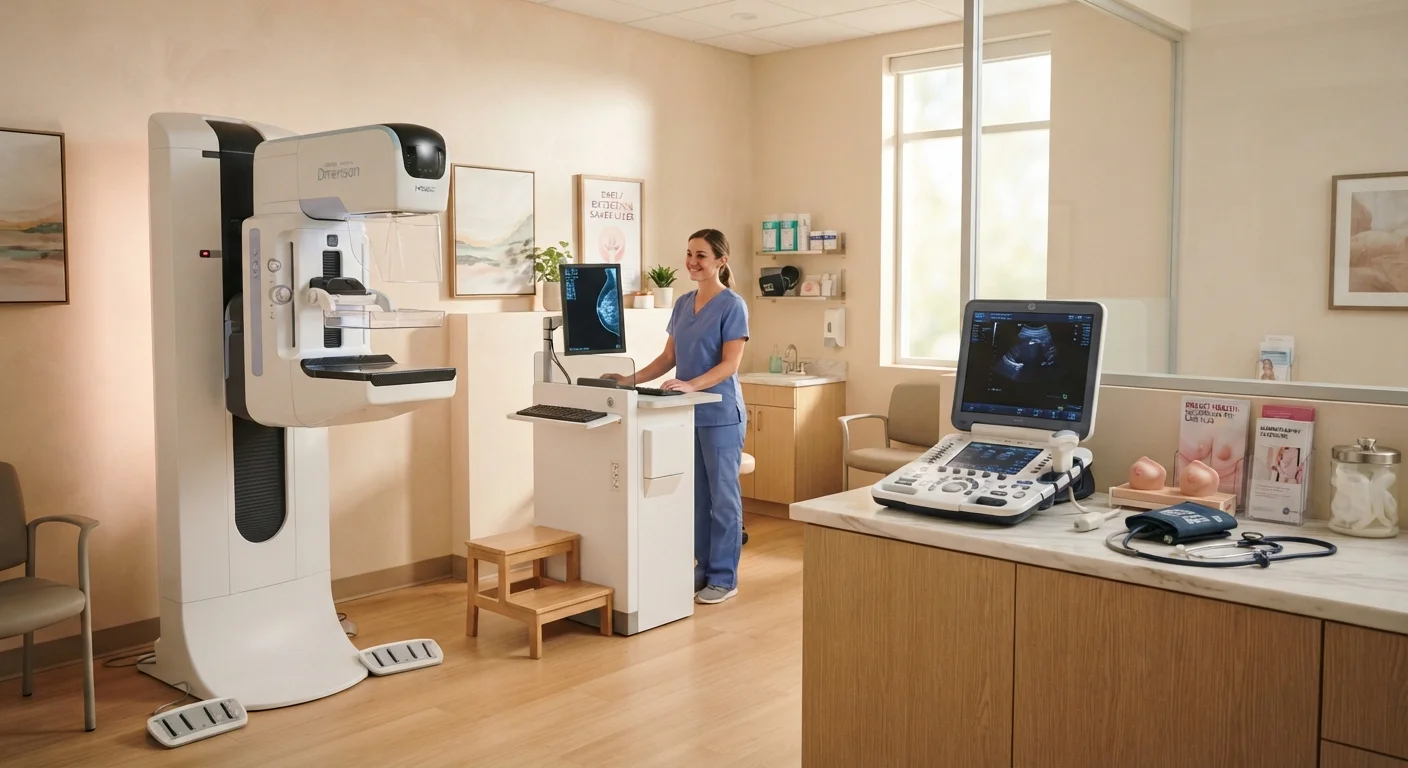
Photo: FeaturingHealth.net | Healthy Living Simplified editorial
Key Takeaways
- Cancer screenings look for disease before symptoms appear, which is when treatment tends to be most effective.
- Colonoscopy and mammography are among the most widely recommended screenings for adults at average risk.
- Guidelines differ by age, sex, family history, and personal risk factors — one schedule does not fit all.
- Several cancers have multiple accepted screening methods; your doctor can help you choose what fits your situation.
- Always consult a qualified healthcare provider before deciding whether or when to pursue any screening.
What Cancer Screenings Actually Are
A cancer screening is a test performed on a person who has no symptoms — the goal is to detect abnormal changes before they develop into cancer, or to find cancer early when treatment options are typically broader and outcomes tend to be better. Screenings are not diagnostic tests; they flag potential concerns that then require follow-up investigation.
For a broader grounding in how preventive screenings work across different conditions, see our overview of preventive health screenings. Understanding that context makes navigating cancer-specific guidance considerably easier.
Cancer Screening
A test performed on a person without symptoms to detect signs of cancer or precancerous changes at an early, more treatable stage.
Polyp
A small growth on the inner lining of the colon; most are benign, but some types can develop into colorectal cancer over time if not removed.
Fecal Immunochemical Test (FIT)
A stool-based screening test that detects tiny amounts of blood in a bowel movement, which can signal polyps or colorectal cancer.
Mammogram
An X-ray image of the breast used to look for abnormal tissue, tumors, or calcifications that may indicate early cancer.
USPSTF
The U.S. Preventive Services Task Force — an independent panel of experts that reviews evidence and issues recommendations for preventive services including cancer screenings.
PSA (Prostate-Specific Antigen)
A protein produced by the prostate gland; elevated PSA levels in a blood test may indicate prostate cancer, though they can also result from non-cancerous conditions.
Low-Dose CT (LDCT)
A computed tomography scan that uses a reduced radiation dose to create detailed images of the lungs, used as a lung cancer screening tool for high-risk individuals.
This article provides general health information only and is not a substitute for personalized medical advice. Consult a qualified healthcare provider for guidance specific to your health history and circumstances.
Colorectal Cancer Screening: Colonoscopy and Alternatives
Colorectal cancer is the second leading cause of cancer death in the United States, yet it is also one of the most preventable through screening. The USPSTF recommends screening for all adults aged 45 to 75 at average risk.
Colonoscopy
During a colonoscopy, a physician uses a flexible, camera-tipped tube to examine the entire colon. The procedure can both detect and remove precancerous polyps in a single session — a significant advantage. It typically requires bowel preparation the day before, sedation during the procedure, and someone to drive you home afterward. For average-risk individuals with a normal result, repeat colonoscopy is generally not needed for ten years.
Stool-Based and Other Options
For those who prefer less invasive alternatives, several stool-based tests are clinically accepted: the annual fecal immunochemical test (FIT), the every-three-year multi-target stool DNA test (mt-sDNA), and the annual guaiac-based fecal occult blood test (gFOBT). Abnormal results on any of these tests require follow-up colonoscopy. CT colonography (virtual colonoscopy) and flexible sigmoidoscopy are additional options with distinct frequency and follow-up requirements.
Stool Tests Still Require Follow-Up
Breast Cancer Screening: Mammograms Explained
A mammogram is an X-ray of breast tissue designed to detect tumors or calcifications that cannot be felt during a physical exam. It remains the primary screening tool for breast cancer in women at average risk.
The USPSTF recommends biennial mammography for women aged 40 to 74. Some professional organizations recommend annual screening starting at 40. The right frequency depends on individual risk factors, breast density, and personal preference — a conversation best had with your doctor.
What the Procedure Involves
The exam takes roughly 20 minutes. Each breast is positioned on a flat surface and briefly compressed between two plates while images are taken. Compression can be uncomfortable but is temporary. Results are typically communicated within a few days, often accompanied by a standardized density and findings report.
Dense Breast Tissue and Supplemental Screening
Women with dense breast tissue may receive a recommendation for supplemental imaging such as ultrasound or MRI, as dense tissue can make mammograms harder to interpret. Your mammogram report will indicate your breast density category. For more detail on screenings tailored to women's health, see our practical overview of screenings for women.
Don't Interpret Results Alone
Other Key Cancer Screenings to Know
Colorectal and breast cancers attract the most public attention, but several other cancer screenings carry strong evidence-based recommendations.
- Cervical Cancer (Pap Test / HPV Test)
- The USPSTF recommends a Pap test every three years for women aged 21–65, or a Pap test combined with an HPV test every five years for those aged 30–65. This remains one of the most successful screening programs in modern medicine. See our guide to cervical screening for a practical walkthrough.
- Lung Cancer (Low-Dose CT Scan)
- The USPSTF recommends annual low-dose computed tomography (LDCT) screening for adults aged 50–80 who have a 20 pack-year smoking history and currently smoke or have quit within the past 15 years. The benefit is specifically tied to this high-risk group.
- Prostate Cancer (PSA Test)
- Prostate-specific antigen (PSA) blood testing is more nuanced. The USPSTF recommends that men aged 55–69 make an individualized decision in consultation with their doctor, weighing potential benefits against risks such as overdiagnosis and overtreatment. Routine screening is not recommended for men 70 and older. For a fuller discussion, see our screening guidance for men.
Guidelines Evolve as Evidence Grows
How to Have the Screening Conversation with Your Doctor
Guidelines provide population-level starting points, not personal prescriptions. Your doctor will adjust recommendations based on your family history, personal medical history, lifestyle factors, and your own values around the benefits and harms of screening.
Before your appointment, consider noting: any first-degree relatives diagnosed with cancer (and at what age), whether you smoke or have smoked, and any symptoms — however minor — you may have noticed. These details directly shape which screenings apply to you and when to begin.
Scheduling can also feel overwhelming without a roadmap. Our lifelong screening calendar organizes recommended tests by age, making it easier to track what's coming up and why.
USPSTF Recommendation Summaries
The U.S. Preventive Services Task Force publishes clear, evidence-graded summaries of all major preventive screening recommendations, including cancer screenings, at no cost.
CDC Cancer Screening Resources
The Centers for Disease Control and Prevention offers plain-language explanations of cancer screening programs, including colorectal, breast, cervical, and lung cancer, with information on access programs.
American Cancer Society Screening Guidelines
The American Cancer Society provides detailed, regularly updated screening guidelines by cancer type and includes information on risk factors that may shift recommendations for individuals.
This article is for informational purposes only and does not constitute medical advice, diagnosis, or treatment. Always consult a qualified healthcare professional regarding questions about your health or any medical condition.
Frequently Asked Questions
The content on this site is for informational purposes only and is not a substitute for professional advice. Always consult a qualified professional for guidance specific to your situation.