
Eating Well on a Tight Schedule: Practical Strategies for Busy Adults

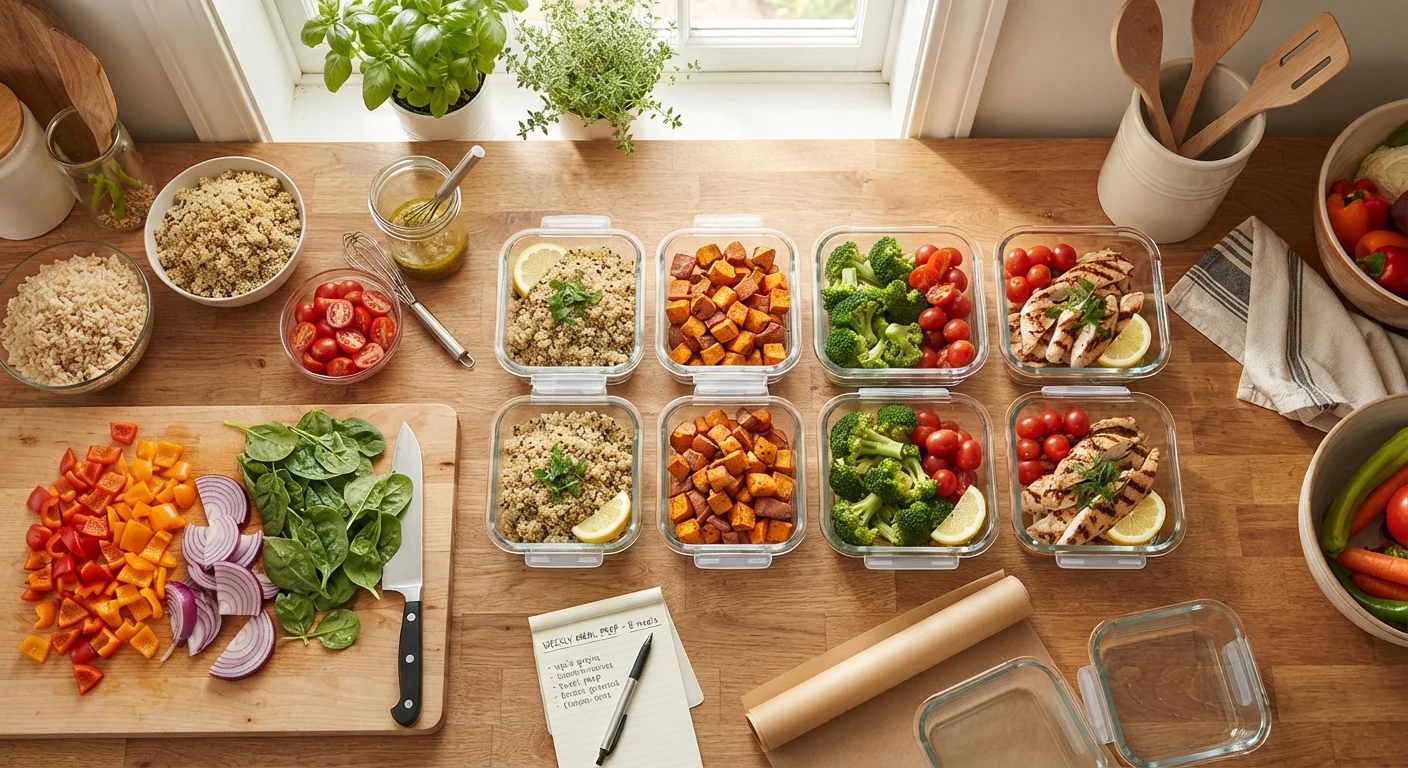
Photo: FeaturingHealth.net | Healthy Living Simplified editorial
Key Takeaways
- Batch cooking even one ingredient per week significantly reduces daily decision fatigue around meals.
- Keeping convenient, nutrient-dense foods visible and accessible makes healthier choices the path of least resistance.
- Structuring your shopping list intentionally is as important as what you cook — poor kitchen stock drives poor choices.
- Small, consistent habits compound into lasting improvements without requiring major lifestyle overhauls.
- Building flexibility into your eating approach helps you stay on track during unexpectedly hectic days.
Why Time Scarcity Undermines Healthy Eating
For most busy adults, the obstacle to eating well isn't knowledge — it's time. When the day fills up, food decisions get made reactively: whatever is fastest, nearest, or requires the least mental effort. That dynamic tends to favor highly processed options and skips meals entirely, both of which can undercut energy levels and long-term wellbeing.
The good news is that the solution doesn't require cooking elaborate meals from scratch each night. Research in behavioral nutrition consistently shows that environment design and advance preparation — not willpower — are the most reliable levers for improving daily food choices. The strategies below focus on reducing friction, not adding it.
This article provides general health information. For guidance tailored to your specific health conditions or dietary needs, consult a registered dietitian or qualified healthcare provider.
Core Practices for Eating Well Under Time Pressure
Each of the following approaches is grounded in established dietary science and behavioral research. They're designed to fit real schedules — not idealized ones.
Cook one foundational ingredient in bulk at the start of each week.
Keep nutritious, ready-to-eat foods at eye level in your refrigerator and pantry.
Build meals around a simple three-component formula: a vegetable, a protein, and a whole food carbohydrate.
Treat snacking as a planned part of your eating pattern, not an afterthought.
Identify two or three reliable fallback meals you can prepare in 15 minutes or less.
If you're thinking about how structure versus flexibility might work for your lifestyle, see Meal Planning vs. Flexible Eating for a detailed comparison of both approaches.
Stocking Your Kitchen for the Week Ahead
The fastest meal you can make is one where half the work is already done. Strategic grocery shopping — knowing what you need before you go — eliminates last-minute decisions and reduces the likelihood of defaulting to takeout. A well-stocked kitchen is the foundation everything else rests on.
For a structured approach to weekly shopping, the Grocery Shopping With Nutrition in Mind checklist walks through exactly how to shop with intention and stock smarter.
It's also worth knowing that even when you're eating a reasonably balanced diet, certain lifestyle factors can reduce how well your body absorbs key nutrients. When Eating Well Still Leaves You Short covers what tends to get overlooked.
This article is for general informational and educational purposes only and is not a substitute for professional medical or dietary advice. Always consult a qualified healthcare professional before making significant changes to your diet, especially if you have an existing health condition.
The content on this site is for informational purposes only and is not a substitute for professional advice. Always consult a qualified professional for guidance specific to your situation.