
Healthy Eating Habits

Grocery Shopping With Nutrition in Mind: A Weekly Preparation Checklist

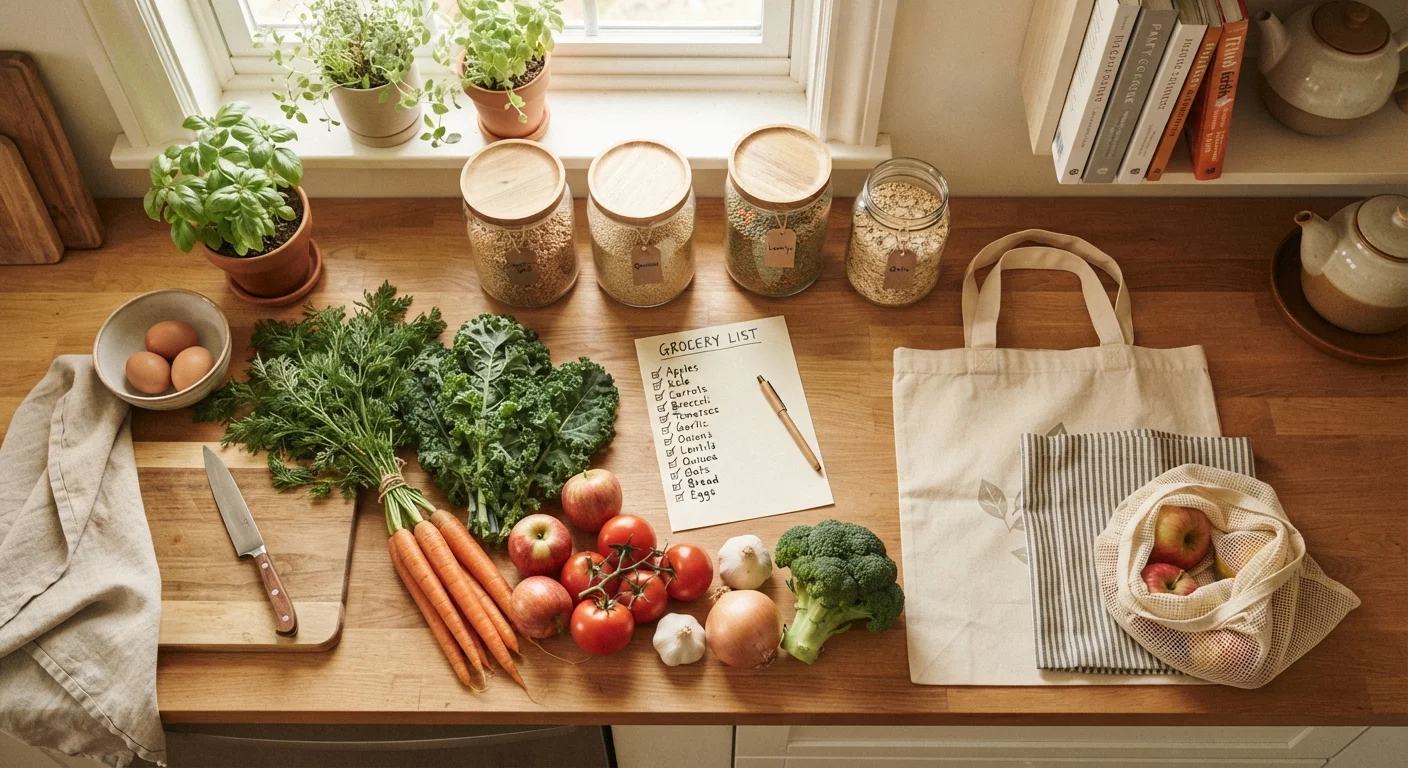
Grocery Shopping With Nutrition in Mind: A Weekly Preparation Checklist

Photo: FeaturingHealth.net | Healthy Living Simplified editorial

A practical checklist to help you shop with intention, reduce impulse choices, and stock a kitchen that supports healthier daily eating.

Key Takeaways

  • Planning your meals before shopping dramatically reduces impulse purchases and nutritional gaps.
  • A well-structured list organized by store section saves time and keeps you focused.
  • Checking your pantry before each trip prevents redundant purchases and food waste.
  • Prioritizing whole foods at the perimeter of the store supports a more nutrient-dense cart.
  • Reading nutrition labels for added sugars and sodium helps you make more informed choices.
  • Consistency in your shopping routine builds long-term, sustainable eating habits.

Why Preparation Is the Real Work of Healthy Eating

Most nutrition guidance focuses on what to eat, but the decisions that shape your diet are largely made before you sit down to a meal — and often before you even walk into a store. What ends up in your cart is a direct result of how prepared you were when you arrived. Without a plan, grocery shopping defaults to habit, hunger, and whatever's on prominent display.

This checklist is designed to make the preparation phase deliberate. It covers the full arc of a nutrition-focused shopping trip: reflecting on the week ahead, auditing your kitchen, building a smart list, navigating the store, and reviewing what you brought home. Think of it as a repeatable system you run each week, not a one-time fix.

For readers who struggle with hectic schedules, pairing this routine with broader time-management strategies can help. Our guide to eating well on a tight schedule covers practical ways to protect your nutritional habits when time is scarce.

Before You Plan: Kitchen Audit

Check your refrigerator, freezer, and pantry to identify what you already have on hand, so you avoid buying duplicates and can build meals around existing ingredients. Must
Discard expired, stale, or spoiled items so you have an accurate picture of usable inventory. Must
Note which staples — such as cooking oils, whole grains, canned beans, or spices — are running low and need restocking. Must
Identify any produce that needs to be used within the next day or two so you can plan meals around it first. Should

Meal Planning

Map out the meals you intend to prepare for the coming week, including at least a rough plan for breakfasts, lunches, and dinners. Must
Aim for variety across protein sources, vegetable types, and whole grains throughout the week rather than repeating the same combinations daily. Should
Plan at least one batch-cook item — such as a large grain salad, soup, or roasted vegetables — that can serve multiple meals. Should
Account for nights when cooking is unlikely and plan a simple, nutritious fallback option rather than leaving those meals to chance. Should

Building Your List

Write your shopping list based on your meal plan, organized by store section (produce, proteins, dairy or alternatives, grains, canned/dry goods) to minimize backtracking. Must
Include specific quantities for each item so you buy enough without significant over-purchasing. Must
Prioritize whole or minimally processed foods — fresh or frozen vegetables and fruit, legumes, whole grains, lean proteins — as the foundation of your list. Must
Add a few flexible, nutrient-dense snack options such as nuts, seeds, plain yogurt, or fresh fruit to reduce reliance on packaged snacks during the week. Should

In the Store

Shop from your list and avoid browsing sections where you don't need anything, which reduces exposure to impulse purchases. Must
When selecting packaged foods, check the nutrition facts label for added sugars, sodium, and saturated fat — these are the three most commonly over-consumed nutrients in processed foods. Must
Choose frozen vegetables and fruit without added sauces, sugars, or salt as a cost-effective and nutritionally comparable alternative to fresh. Should
Avoid shopping on an empty stomach, which research suggests increases the likelihood of selecting higher-calorie, lower-nutrient items. Should

After You Return Home

Wash, chop, and store produce promptly after unpacking so it's ready to use and less likely to spoil before you get to it. Should
Review what you bought against your meal plan to confirm you have everything needed for the week's meals. Should
Note any recurring gaps or impulse purchases from this trip and use that information to refine next week's list. Nice to have

Tools That Make the System Work

You don't need special equipment to shop with nutrition in mind — but a few simple tools make the process significantly smoother and more consistent.

Required

Weekly meal planning template

A simple grid or notepad layout to map out planned meals for each day, which anchors your shopping list to actual intended use.

Required

Categorized shopping list (paper or app)

Organizing your list by store section reduces time spent backtracking and keeps you from straying into unplanned aisles.

Optional

Reusable shopping bags

Helps you estimate volume capacity before leaving home, which can serve as a natural check on over-buying.

Optional

Nutrition label reference card

A simple cheat sheet of key label thresholds — such as daily value percentages for sodium and added sugars — is useful until reading labels becomes second nature.

Once your system is established, the weekly preparation time shrinks considerably. Most people find the full routine takes under 30 minutes. If you want to go deeper on what your current diet may be missing before building your list, the micronutrient gap self-assessment is a useful companion exercise. Understanding which food groups you underrepresent at home can directly inform what you prioritize on your next trip.

Don't Let Perfection Derail Progress

A nutrition-focused shopping routine doesn't mean every item in your cart must be a so-called health food. Aiming for a cart where the majority of choices are whole or minimally processed foods is a realistic and sustainable target. Rigid all-or-nothing thinking around food choices is associated with less successful long-term dietary patterns — flexibility is a feature, not a flaw.

Special Dietary Needs Require Professional Guidance

This checklist reflects general healthy eating principles for adults without specific medical conditions. If you are managing a chronic condition, are pregnant or breastfeeding, or are planning dietary changes for a child or older adult, please consult a registered dietitian or your healthcare provider before making significant changes to what you purchase and eat.

This article is for general informational purposes only and is not a substitute for personalized medical or dietary advice. If you have specific health conditions, dietary restrictions, or nutritional concerns, consult a qualified healthcare professional or registered dietitian before making significant changes to your diet.

Nutrition Basics Editorial Team

FeaturingHealth.net | Healthy Living Simplified

Nutrition Basics Editorial Team is the collective byline for our editorial team and contributor network. Articles published under this byline or an editorial pen name are researched, written, and reviewed according to our editorial standards for clarity, consistency, and independence before publication.

MacronutrientsVitamins & MineralsHealthy Eating Habits
View author profile

The content on this site is for informational purposes only and is not a substitute for professional advice. Always consult a qualified professional for guidance specific to your situation.