
Sleep Hygiene Myths That Are Quietly Undermining Your Rest

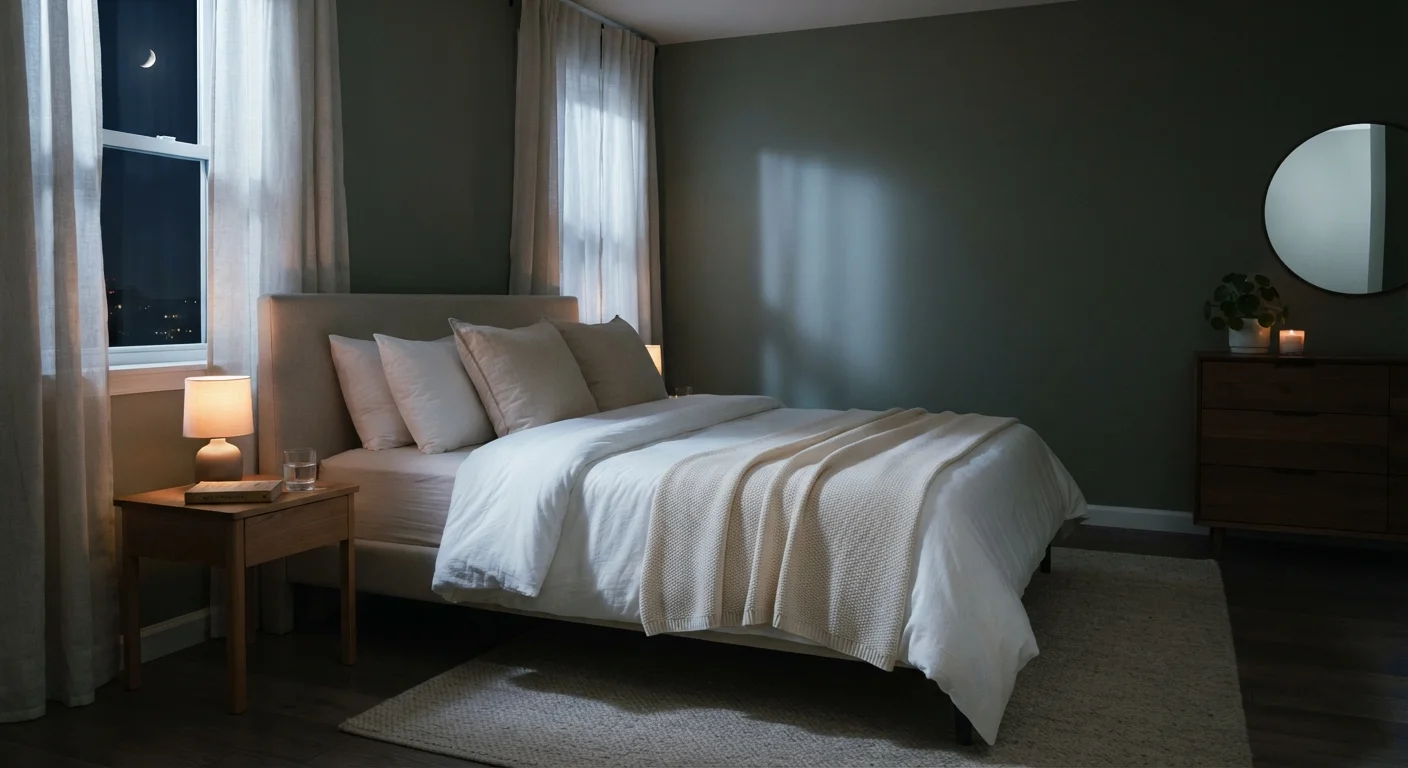
Photo: FeaturingHealth.net | Healthy Living Simplified editorial
Key Takeaways
- Eight hours is a population average, not a universal requirement — individual sleep needs vary meaningfully.
- Catching up on sleep during weekends does not fully reverse the cognitive and metabolic costs of weekday sleep debt.
- Alcohol may help you fall asleep faster but significantly disrupts restorative sleep stages later in the night.
- The blue-light-only narrative oversimplifies screen harm; mental stimulation and timing matter just as much.
- A consistent sleep schedule tends to support sleep quality more reliably than any single pre-bed ritual.
Why Sleep Myths Are a Wellness Problem
Misinformation about sleep is unusually costly. Unlike myths about superfoods or workout trends, false beliefs about sleep can quietly erode your mental clarity, emotional resilience, and long-term health — night after night. Many people follow sleep rules they learned casually from wellness culture, only to feel perpetually groggy and wonder why their routine isn't working.
The good news: the science of sleep is rich and increasingly accessible. Understanding what research actually supports — rather than what gets repeated in lifestyle content — can meaningfully shift how rested you feel. For a complementary look at how your physical environment shapes sleep quality, see our bedroom environment checklist.
Myth
Everyone needs exactly eight hours of sleep to be healthy.
Fact
Sleep needs vary by individual, typically ranging from seven to nine hours for most adults, with some functioning well on slightly less or more.
The eight-hour figure comes from population-level averages, not a universal biological law. Genetics, age, activity level, and health status all influence how much sleep a given person needs. What matters more than hitting a specific number is waking feeling genuinely restored — not dragging yourself through the day on caffeine. Tracking how you feel after different sleep durations over several weeks can help you identify your personal range.
Myth
You can fully recover from a week of poor sleep by sleeping in on weekends.
Fact
Weekend recovery sleep reduces some subjective sleepiness but does not fully restore cognitive performance or metabolic health affected by accumulated sleep debt.
Research published in journals such as Current Biology has found that while extra weekend sleep helps people feel less tired, it does not completely undo the metabolic disruption — including insulin sensitivity changes — caused by weekday sleep restriction. Irregular sleep timing also shifts your circadian rhythm, a phenomenon sometimes called social jetlag, which can make Monday mornings feel harder than they need to. Consistency across the full week tends to produce better outcomes than oscillating between deprivation and overcompensation.
Myth
A nightcap helps you sleep better.
Fact
Alcohol may reduce the time it takes to fall asleep, but it suppresses REM sleep and causes more fragmented sleep in the second half of the night.
REM (rapid eye movement) sleep plays a critical role in emotional processing, memory consolidation, and learning. When alcohol is metabolized during the night, it creates a rebound effect — lighter, more disrupted sleep — that most people notice as early waking or restless hours before the alarm. Over time, relying on alcohol as a sleep aid can also increase tolerance and dependency risk. People who find they need something to wind down may benefit more from non-pharmacological approaches, and anyone with concerns about alcohol use should speak with a healthcare professional.
Myth
Blue light from screens is the primary reason devices disrupt sleep.
Fact
Mental stimulation and emotional engagement from screen content are at least as disruptive as blue light exposure, and possibly more so for many people.
Blue light does suppress melatonin to a degree, but the size of that effect under typical screen-use conditions is more modest than popular coverage suggests. What research increasingly points to is the role of cognitive arousal — checking news, engaging in social media, or watching intense content activates the brain in ways that delay sleep onset regardless of light wavelength. Using blue-light-blocking glasses while still scrolling through stressful content is unlikely to meaningfully improve sleep. The type and timing of content, not just the device itself, deserves attention.
Myth
If you can't sleep, staying in bed longer will eventually help.
Fact
Lying awake in bed for extended periods can strengthen the association between your bed and wakefulness, making the problem worse over time.
Sleep specialists often recommend a technique called stimulus control as part of cognitive behavioral therapy for insomnia (CBT-I): if you haven't fallen asleep within roughly 20 minutes, getting up and doing something calm in low light until sleepy can help rebuild the mental association between bed and sleep. Forcing yourself to stay horizontal while mentally alert tends to increase anxiety around sleep. This approach is counterintuitive but supported by strong evidence — CBT-I is considered a first-line treatment for chronic insomnia by several major health organizations.
What the Evidence Actually Supports
Correcting sleep myths isn't just academic — it removes low-grade pressure that can itself interfere with rest. Sleep researchers describe a phenomenon called orthosomnia: an anxious preoccupation with achieving perfect sleep metrics that paradoxically makes sleep worse. If you've ever lain awake worrying about whether you'll hit eight hours, you've experienced a version of this.
1 in 3
U.S. adults not getting enough sleep
According to CDC data, approximately one-third of American adults report regularly sleeping less than the recommended minimum for their age group.
~70%
Adults who believe sleep debt is fully repayable
Survey research suggests a large majority of adults believe weekend sleep can fully offset weekday deficits — a view not supported by current evidence.
7–9 hrs
Recommended sleep range for most adults
The American Academy of Sleep Medicine and Sleep Research Society jointly recommend seven to nine hours per night for adults aged 18–60.
Sustainable sleep improvement tends to come from consistency and self-awareness rather than rigid rule-following. Patterns of thinking matter too — certain mindsets actively prolong insomnia, and recognizing them is a meaningful first step. For practical guidance on building a calming pre-bed routine, our evening wind-down guide offers evidence-informed suggestions without overpromising outcomes.
Don't Self-Diagnose Chronic Sleep Problems
Sleep is also deeply connected to broader habit patterns. Just as the myths around habit formation can stall progress in other wellness areas, false assumptions about sleep can keep well-intentioned people stuck. If you're curious about the deeper biology, explore how sleep repairs the brain — the mechanisms are both fascinating and motivating.
This article is for general informational and educational purposes only and does not constitute medical advice. If you experience persistent sleep difficulties, please consult a qualified healthcare professional.
The content on this site is for informational purposes only and is not a substitute for professional advice. Always consult a qualified professional for guidance specific to your situation.