
Sleep and Mental Health: A Two-Way Relationship

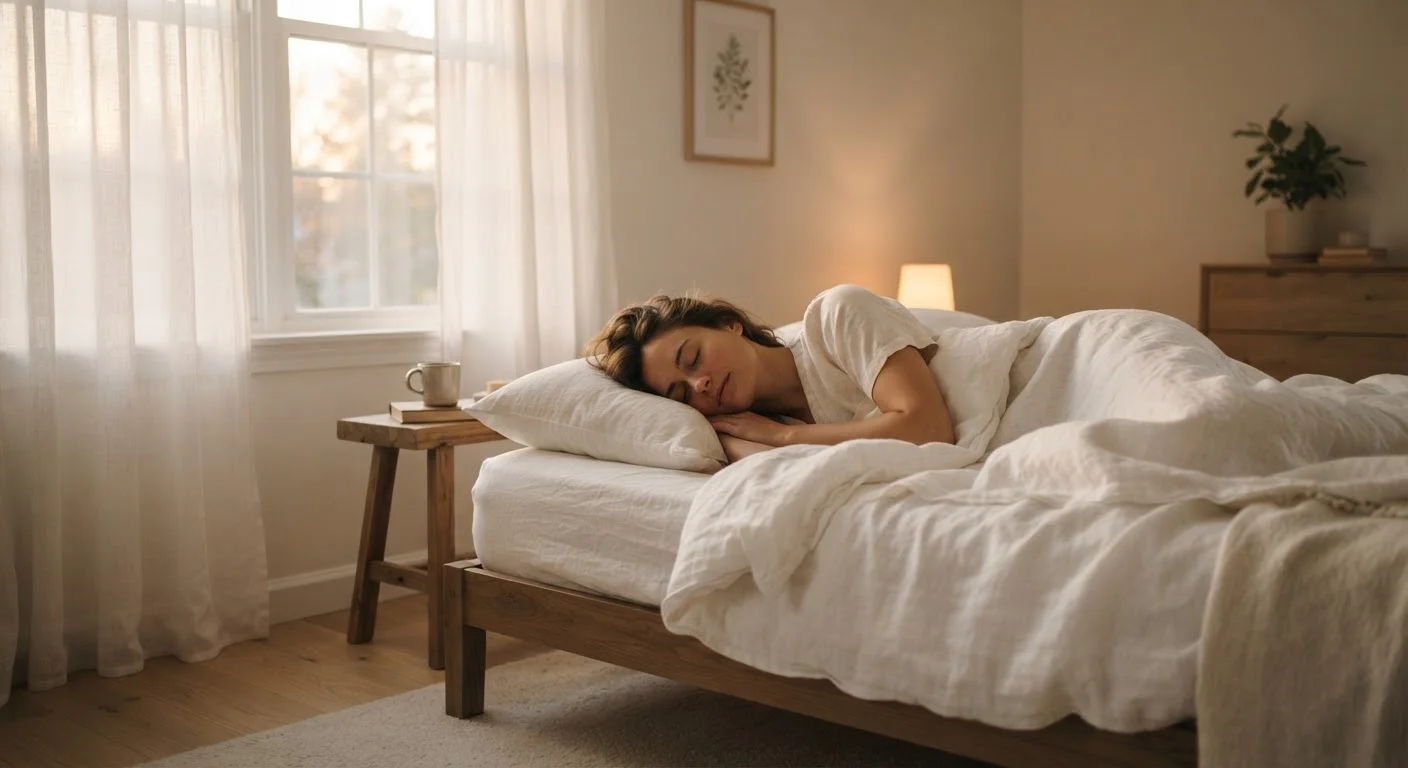
Photo: FeaturingHealth.net | Healthy Living Simplified editorial
Key Takeaways
- Sleep and mental health have a bidirectional relationship — each directly influences the other.
- Even one or two nights of poor sleep can measurably increase emotional reactivity and anxiety.
- Anxiety and depression are among the most common drivers of chronic sleep disruption.
- Consistent sleep schedules and wind-down routines are evidence-backed ways to support both.
- Persistent sleep difficulties alongside mood changes warrant a conversation with a healthcare professional.
The Bidirectional Loop: How Sleep and Mental Health Influence Each Other
Most people intuitively sense that a bad night's sleep leaves them irritable and foggy. What is less widely understood is that this relationship runs in both directions: poor mental health disrupts sleep, and disrupted sleep worsens mental health. Researchers describe this as a bidirectional relationship — a feedback loop in which each side continuously shapes the other.
This framing matters because it changes how we think about solutions. Treating anxiety without addressing sleep — or improving sleep hygiene while ignoring chronic worry — often produces only partial relief. Understanding the loop helps you see why both sides deserve attention simultaneously.
To understand what is actually happening at the neurological level, see The Science Behind Why Sleep Repairs Your Brain, which covers how deep sleep clears metabolic waste and supports emotional regulation.
~1 in 3
U.S. adults not getting enough sleep
The CDC has reported that roughly one-third of U.S. adults regularly sleep less than the recommended seven hours per night.
~60%
People with depression reporting sleep problems
Studies published in peer-reviewed sleep journals consistently find that a majority of individuals with depression experience clinically significant sleep disturbances.
2x
Elevated anxiety risk with chronic poor sleep
Research reviews suggest that adults with persistent insomnia may face roughly double the risk of developing an anxiety disorder compared to normal sleepers.
What Happens in the Brain When Sleep Is Cut Short
During sleep — particularly the deeper slow-wave and REM (rapid eye movement) stages — the brain performs critical maintenance. The amygdala, the brain's threat-detection center, is recalibrated. Emotional memories are processed and contextualized. Without sufficient sleep, the amygdala becomes significantly more reactive, while the prefrontal cortex — responsible for rational regulation — loses some of its ability to apply the brakes.
Research consistently shows that sleep-deprived individuals rate neutral stimuli as more threatening and respond more intensely to mildly negative events. As explored in Why Emotional Resilience Starts the Night Before, this heightened reactivity has real consequences for daily wellbeing and relationships.
Instead of trying to force sleep after a stressful day, schedule a brief 'worry window' in the early evening — 10 to 15 minutes of deliberate, contained reflection on what is on your mind — so that anxious thoughts are less likely to surface the moment your head hits the pillow.
If you wake at night and cannot return to sleep within about 20 minutes, get up and do something calm in dim light rather than lying in bed awake. This preserves your bed as a cue for sleep, not wakefulness.
Common Mental Health Conditions Linked to Sleep Disruption
Several well-documented mental health conditions have particularly strong ties to sleep:
- Anxiety disorders: Worry and hyperarousal make it difficult to fall or stay asleep; sleep deprivation in turn amplifies anxious thinking, often producing a self-reinforcing cycle.
- Depression: Insomnia and hypersomnia (sleeping too much) are both recognized features of depressive episodes. Disrupted REM sleep, in particular, appears to impair emotional processing.
- Post-traumatic stress: Nightmares and hypervigilance at night are hallmark features, making restorative sleep elusive for many people navigating trauma.
It is worth noting that the causal arrows are not always clear-cut. Sometimes sleep problems precede a mood disorder; in other cases they emerge alongside it. Either way, thought patterns that prolong insomnia — such as catastrophizing a single bad night — can meaningfully worsen the cycle.
Avoid Self-Diagnosing Sleep Disorders
Practical Steps to Protect Both Sleep and Mood
Small, consistent behaviors can interrupt the sleep-mood loop without requiring major lifestyle overhauls. Evidence from behavioral sleep medicine points to several approaches worth building into daily life:
- Anchor your wake time. Rising at the same time each day — even after a poor night — stabilizes your circadian rhythm, which in turn regulates mood-related hormones like cortisol and serotonin.
- Create a genuine wind-down period. Spending 20–30 minutes before bed in low-stimulation activity (reading, gentle stretching, a warm shower) signals the nervous system that it is safe to downshift.
- Limit sleep-environment stressors. Light, temperature, and noise all affect sleep architecture. The bedroom environment checklist provides a practical audit framework.
- Notice rumination early. If anxious thoughts are keeping you awake, brief journaling or structured worry time earlier in the evening can reduce bedtime cognitive load.
Sleep quality also connects to longer-term health outcomes. What the evidence says about sleep as a preventive tool outlines how consistent, restorative rest supports immune function and metabolic health over time.
Start With One Consistent Habit
When to Seek Professional Support
General sleep hygiene improvements are genuinely useful, but they have limits. If sleep difficulties have persisted for several weeks, are significantly affecting your daytime functioning, or are accompanied by persistent low mood, anxiety, or other distressing symptoms, these are signals to speak with a qualified healthcare professional.
Cognitive Behavioral Therapy for Insomnia (CBT-I) is widely recognized by sleep researchers and clinicians as an effective, non-medication approach for chronic insomnia, and it may also ease associated anxiety. For mental health conditions, a licensed mental health professional can tailor a treatment plan that accounts for the interplay between mood and sleep.
Do Not Stop Prescribed Medication Without Guidance
This article is for general informational and educational purposes only and does not constitute medical advice. Please consult a qualified healthcare professional for guidance specific to your health situation.
The content on this site is for informational purposes only and is not a substitute for professional advice. Always consult a qualified professional for guidance specific to your situation.