
Men's Fitness from Every Angle: Understanding the Full Picture

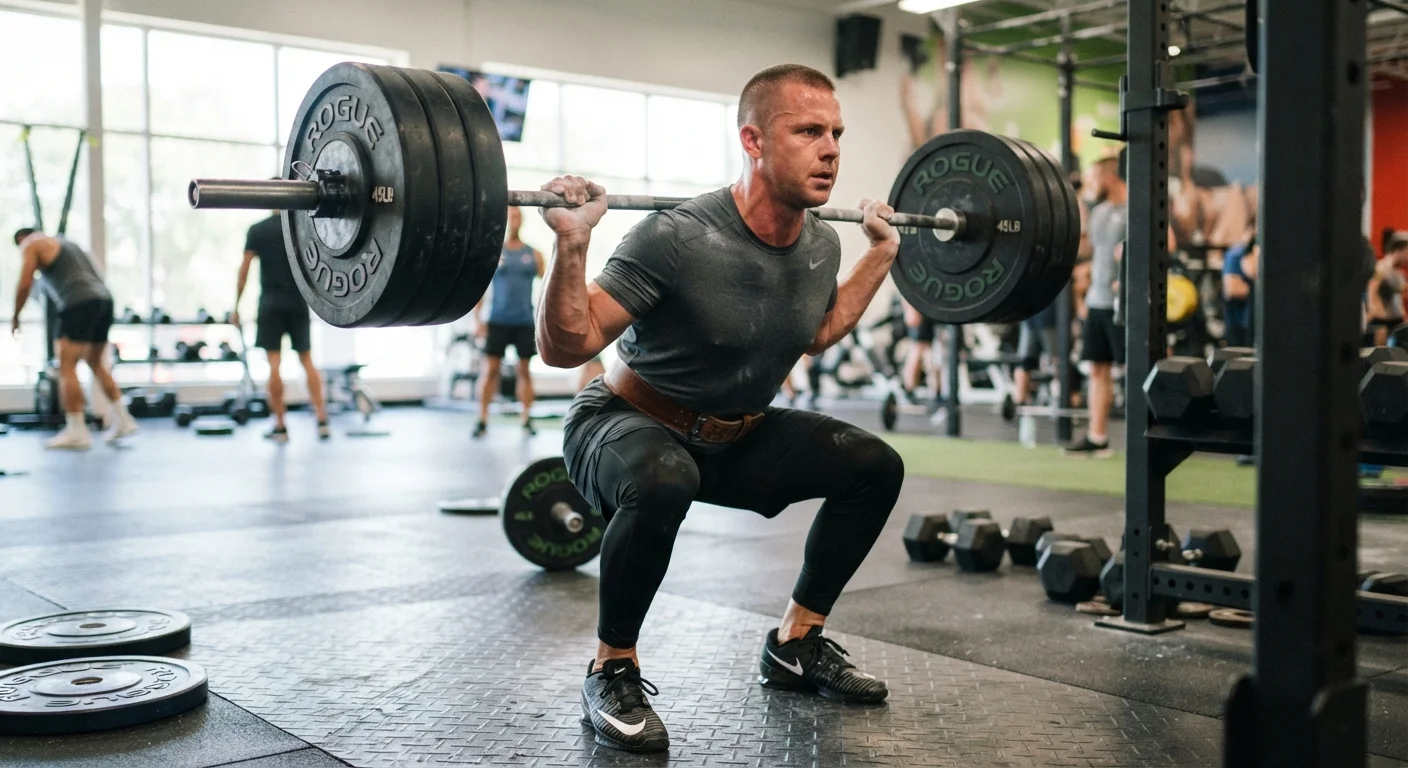
Photo: FeaturingHealth.net | Healthy Living Simplified editorial
Key Takeaways
- Progressive overload — not volume alone — drives sustainable strength and muscle gains.
- Sleep and stress management are non-negotiable recovery tools, not optional extras.
- Protein intake and overall diet quality directly influence body composition and energy.
- Mobility work reduces injury risk and supports longevity in any training program.
- Hormonal health and fitness are deeply interconnected — lifestyle choices affect both.
- No single metric tells the full story; track multiple markers of health over time.
Why a Holistic Approach to Men's Fitness Matters
Most men enter a gym with a narrow goal — lose fat, add muscle, or run faster. Those are legitimate starting points, but they miss the bigger picture. Fitness is a system, and optimizing one component while neglecting others consistently leads to plateaus, injury, or burnout.
Research in exercise science consistently shows that men who integrate strength training, cardiovascular conditioning, mobility work, adequate sleep, and sound nutrition outperform those who focus on a single element alone. This guide covers each domain with the depth it deserves — not as isolated tips, but as an interconnected framework you can apply at any fitness level.
Understanding how hormones influence energy, mood, and muscle is equally central. If you're new to that territory, the male hormonal system overview provides a clear foundation before diving deeper here.
1.6–2.2g
Protein per kg of bodyweight for muscle gains
Per kilogram of bodyweight daily, according to a 2017 meta-analysis published in the British Journal of Sports Medicine covering 49 studies on resistance-trained adults.
7–9 hrs
Recommended nightly sleep for adults
The American Academy of Sleep Medicine and Sleep Research Society recommend this range for optimal health, performance, and recovery in adults.
150 min
Weekly moderate aerobic activity recommended
The U.S. Department of Health and Human Services Physical Activity Guidelines for Americans recommend at least 150 minutes of moderate-intensity aerobic activity per week for adults.
Training Principles Every Man Should Know
Effective training is built on a handful of principles that apply regardless of your experience level or goals.
Progressive Overload
The stimulus for adaptation — whether that's muscle growth, strength, or endurance — must increase over time. This doesn't always mean adding weight each session; it can mean more reps, reduced rest, or improved technique. Without progressive overload, your body has no reason to change.
Specificity
Your body adapts specifically to the demands placed on it. Running long distances builds aerobic capacity; heavy compound lifts build maximal strength. Align your training to your actual goals rather than following a generic template.
Movement Patterns Over Muscles
Structuring workouts around foundational movements — push, pull, hinge, squat, carry — ensures balanced development and reduces the risk of overuse injuries. For a thorough introduction to putting this into practice, see the foundation guide to resistance training.
Consistency Beats Intensity
A moderate program followed consistently for a year outperforms an extreme program followed for six weeks. Sustainable habits, not heroic efforts, produce durable results.
Log your sessions — but track effort and movement quality, not just weight on the bar. A training journal that notes how a set felt catches fatigue and stagnation before they become setbacks.
Prioritize compound movements first in each session, when neural drive is highest, and reserve isolation work for the end. Your squat shouldn't follow your leg extensions.
Recovery: The Most Underrated Variable
Training breaks tissue down. Recovery is when adaptation actually occurs. Men frequently underestimate this side of the equation, treating rest days as wasted time rather than productive physiology.
Sleep
The majority of anabolic hormone secretion — including growth hormone — occurs during deep sleep. Data from the American Academy of Sleep Medicine consistently supports seven to nine hours per night for adults as optimal for physical and cognitive performance. Chronic sleep restriction measurably impairs muscle protein synthesis and elevates cortisol.
Active Recovery and Mobility
Low-intensity movement on rest days — walking, swimming, or targeted stretching — promotes blood flow and reduces delayed-onset muscle soreness without adding meaningful training stress. Mobility work is especially valuable for men who sit for extended periods. The mobility and flexibility overview covers the most common limitations and how to address them.
Overtraining Is Real — and Often Misread
Stress Management
Psychological stress and physical stress share the same hormonal pathway. Chronically elevated cortisol impairs recovery, disrupts sleep, and suppresses testosterone production. Mindfulness, structured downtime, and managing workload are therefore legitimate fitness interventions — not soft add-ons.
Nutrition Fundamentals for Men's Performance
No training program can fully compensate for a consistently poor diet. Nutrition doesn't need to be complicated, but a few principles are non-negotiable.
Protein
Current evidence from sports nutrition research supports a protein intake of roughly 1.6 to 2.2 grams per kilogram of body weight per day for men engaged in regular resistance training, to maximize muscle protein synthesis. Sources matter less than total intake and distribution — spreading protein across meals appears more effective than concentrating it in one sitting.
Carbohydrates and Fat
Both macronutrients serve essential roles. Carbohydrates are the primary fuel for high-intensity exercise; fats support hormonal function and fat-soluble vitamin absorption. Extreme elimination of either macronutrient without clinical reason is generally unsupported by the evidence for healthy, active men.
Micronutrients and Whole Foods
Vitamins D, zinc, and magnesium have well-documented roles in testosterone metabolism and energy production. A predominantly whole-food diet that includes vegetables, legumes, lean proteins, and quality fats provides the micronutrient density that supplements rarely match in isolation.
Build the Plate Before the Supplement Stack
Hormones, Long-Term Health, and the Bigger Picture
Men's fitness doesn't exist in a vacuum. Hormonal health — particularly testosterone, insulin sensitivity, and cortisol regulation — is deeply shaped by the lifestyle choices described throughout this guide. Regular exercise, adequate sleep, and sound nutrition collectively support hormonal balance; chronic stress, poor diet, and sedentary behavior work against it.
Understanding this connection matters for long-term health beyond aesthetics. Cardiovascular disease, type 2 diabetes, and metabolic syndrome are significantly more preventable through consistent lifestyle habits than through any single intervention. The hormonal health hub provides a broader look at how these systems interact over a man's lifespan.
Sexual health is another dimension that intersects meaningfully with fitness. Physical conditioning, hormonal balance, and cardiovascular health all influence sexual function. For a grounded introduction to this area, the comprehensive men's sexual health overview is a worthwhile companion read.
Fitness Cannot Replace Medical Care
Treat fitness as an ongoing, evolving practice rather than a destination. Track multiple health markers — strength, endurance, sleep quality, energy levels, mood — rather than body weight alone. Schedule regular check-ins with a healthcare provider to contextualize those numbers against clinical baselines. No amount of online guidance replaces personalized medical evaluation.
This article is for general informational and educational purposes only and does not constitute medical advice. Always consult a qualified healthcare professional before starting a new exercise or nutrition program, particularly if you have existing health conditions.
ACSM Exercise Guidelines
The American College of Sports Medicine publishes evidence-based physical activity guidelines for adults, covering frequency, intensity, and volume recommendations for both cardiovascular and resistance training.
MyFitnessPal or Cronometer
Free food-logging platforms that help you track macronutrient and micronutrient intake over time — useful for identifying dietary gaps without guesswork.
Getting Started with Resistance Training
Our own foundation guide covers the movement patterns, programming basics, and safety principles every man needs before stepping under a barbell.
The content on this site is for informational purposes only and is not a substitute for professional advice. Always consult a qualified professional for guidance specific to your situation.