
Mobility and Flexibility in Men's Fitness: A Practical Overview

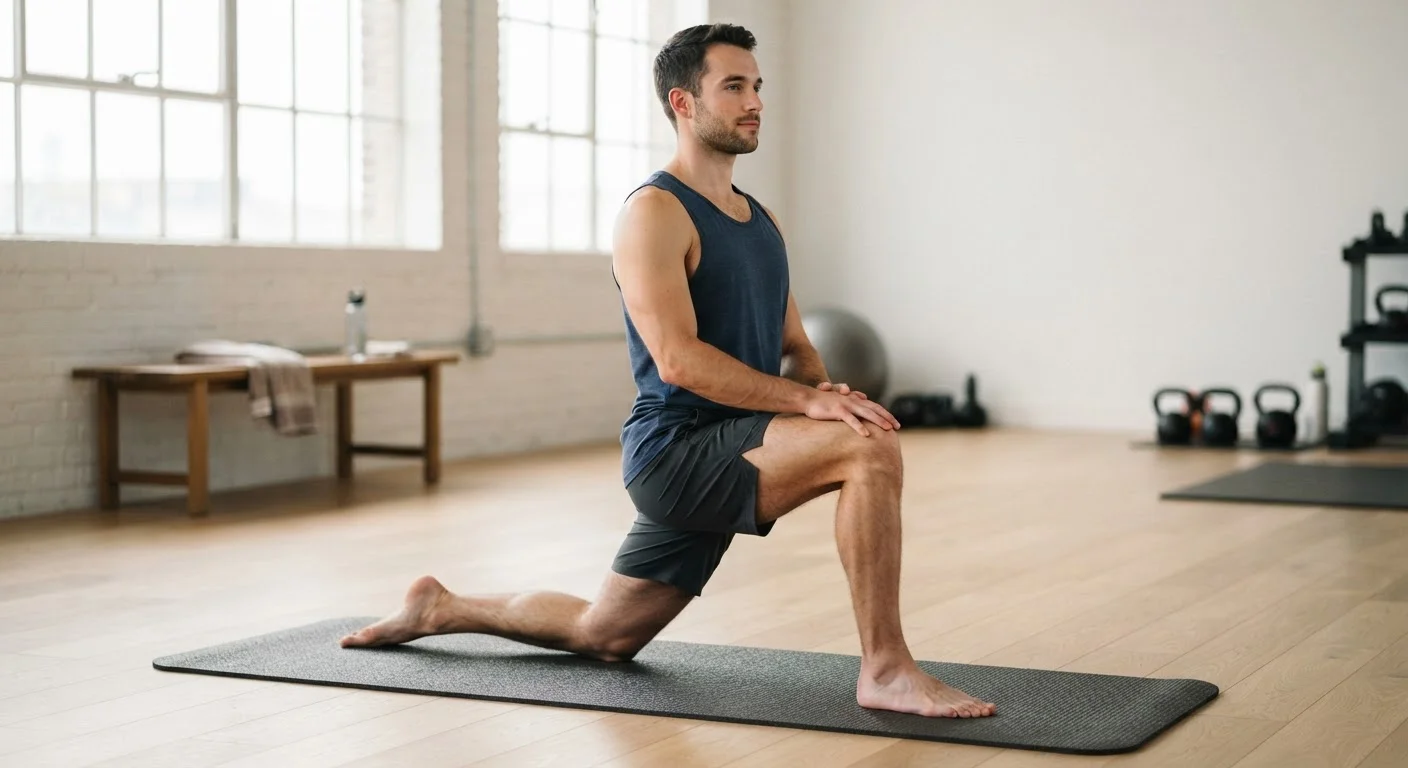
Photo: FeaturingHealth.net | Healthy Living Simplified editorial
Why Mobility Often Gets Left Out
Most men structure their training around strength, cardio, or aesthetics — and mobility work rarely earns a slot in the programme. That's a meaningful gap. Range of motion directly affects how well you can execute fundamental movements like squats, deadlifts, and overhead presses, and limited mobility is a well-documented contributor to overuse injuries and compensatory movement patterns.
Mobility differs from flexibility, though the two terms are frequently conflated. Flexibility refers to a muscle's passive capacity to lengthen. Mobility refers to the active, controlled movement available at a joint — how far you can move with stability and control, not just how far you can be pushed. Both matter, but mobility is the more functionally relevant quality for sport and daily movement.
This reference covers the foundational concepts, the areas where men most commonly face limitations, and how to think about incorporating mobility training alongside a broader programme. For a fuller picture of how this fits into overall training, see Men's Fitness from Every Angle.
| Key distinction | Mobility = active joint control; Flexibility = passive muscle length |
| Most commonly restricted areas in men | Hips, thoracic spine, ankles, posterior shoulders (Clinical observation, physiotherapy literature) |
| Recommended warm-up type | Dynamic (movement-based) before training |
| Static stretching timing | Most effective post-training, when tissues are warm |
| Mobility session frequency | 1–2 dedicated sessions per week for significant restrictions |
| Evidence-informed methods | CARs, PNF stretching, yoga |
Common Mobility Limitations in Men
Research and clinical observation consistently point to a handful of areas where men tend to be tightest. Understanding these patterns helps you prioritise effectively rather than applying generic stretching routines.
- Hip flexors: Prolonged sitting shortens the iliopsoas complex, reducing hip extension and anterior pelvic tilt control. This has downstream effects on lower back loading during lifting.
- Thoracic spine: Stiffness in the mid-back limits shoulder overhead range and forces the lumbar spine to compensate — a common source of lower back pain.
- Ankle dorsiflexion: Restricted ankle bend causes the heel to rise during squats, shifting load forward and altering knee tracking.
- Posterior shoulder capsule: Tightness here limits internal rotation and is commonly linked to shoulder impingement in lifters.
- Hamstrings: Chronically shortened hamstrings affect pelvic positioning and lumbar flexion under load.
Men who are new to structured resistance work may find these restrictions more apparent once they begin training. For a grounding in movement fundamentals, Getting Started with Resistance Training provides a useful baseline.
Mobility
The active, controlled range of motion available at a joint. It involves both flexibility and the neuromuscular strength to move through that range safely.
Flexibility
The passive ability of a muscle or muscle group to lengthen. It is a component of mobility but does not guarantee functional movement control.
Dorsiflexion
The movement of bringing the top of the foot toward the shin, bending the ankle. Adequate dorsiflexion is essential for squatting mechanics.
PNF Stretching
Proprioceptive neuromuscular facilitation — a stretching technique involving alternating contraction and relaxation of a muscle to increase its passive range of motion.
Thoracic Spine
The mid-section of the spine, comprising twelve vertebrae. Mobility here is critical for overhead movement, posture, and reducing stress on the lumbar (lower) back.
Compensatory Movement
A movement pattern in which the body recruits alternative muscles or joints to work around a restriction or weakness, often increasing injury risk over time.
Practical Approaches to Mobility Training
Mobility training doesn't require a separate hour-long session. The most effective strategies integrate naturally with existing training habits.
Before Training: Dynamic Warm-Up
Dynamic movements — leg swings, hip circles, thoracic rotations, and controlled lunges — prepare joints for load without the performance-reducing effects sometimes associated with prolonged static stretching before strength work. A five to ten minute dynamic warm-up primes the nervous system and increases tissue temperature.
After Training: Static and PNF Stretching
Post-session is the appropriate window for longer-duration static holds (typically 30–60 seconds per position) or proprioceptive neuromuscular facilitation (PNF) techniques, which involve a contract-relax cycle to increase passive range. These approaches are most effective when tissues are warm and the training stimulus has already been delivered.
Dedicated Mobility Sessions
For men with significant restrictions, dedicating one or two short sessions per week to joint-specific mobility work — particularly for hips, thoracic spine, and ankles — accelerates progress. Yoga and controlled articular rotation (CARs) practices are evidence-informed options worth exploring with a qualified coach or physiotherapist.
When to See a Physiotherapist
This article is for general informational purposes only and does not constitute medical or professional fitness advice. Consult a qualified healthcare provider or physiotherapist before beginning a new exercise programme, especially if you have existing joint pain or injury history.
The content on this site is for informational purposes only and is not a substitute for professional advice. Always consult a qualified professional for guidance specific to your situation.