
The Role of Stress in Sustaining Unhealthy Habits

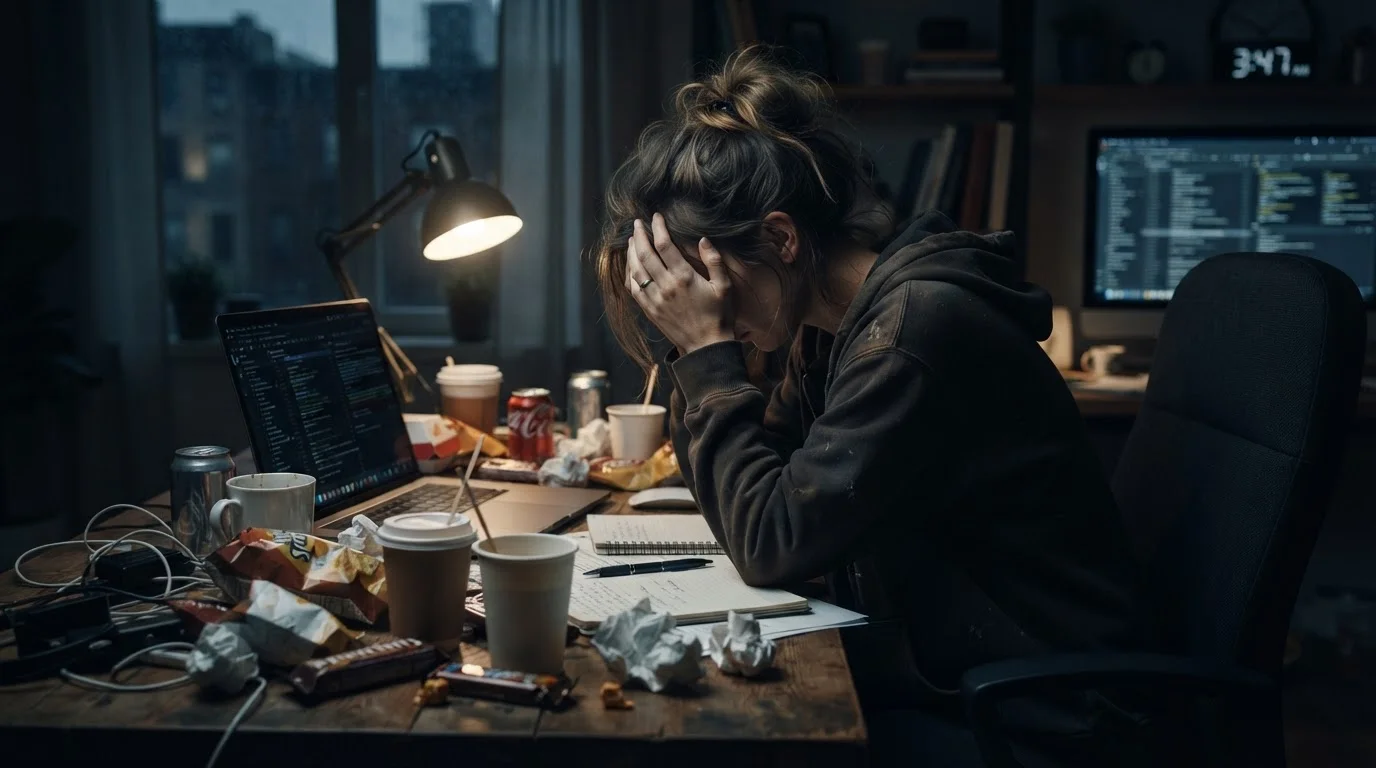
Photo: FeaturingHealth.net | Healthy Living Simplified editorial
Key Takeaways
- Chronic stress impairs the prefrontal cortex, making automatic, comfort-driven behaviors harder to resist.
- Stress does not create bad habits from scratch — it amplifies and entrenches existing ones.
- Replacing a harmful stress habit requires substituting the routine while keeping the cue and reward structure.
- Evidence-based tools like mindfulness, exercise, and social support can interrupt the stress-habit cycle.
- Identifying personal stress triggers is a foundational first step toward lasting behavioral change.
Why Stress and Habits Are Neurologically Linked
Stress is not just an emotional experience — it is a cascade of physiological events that directly shape how the brain processes decisions. When you perceive a threat, the hypothalamic-pituitary-adrenal (HPA) axis releases cortisol and adrenaline. These hormones are useful in short bursts, but under chronic stress they begin to suppress the prefrontal cortex, the brain's center for planning, impulse control, and weighing long-term consequences.
At the same time, the brain's reward circuitry remains — or becomes more — active. The result is a neurological environment where automatic, pleasure-seeking behaviors feel compelling and deliberate, rational choices feel effortful. This is why, under pressure, people reliably reach for familiar comforts: processed foods, alcohol, cigarettes, excessive screen time, or social withdrawal.
Understanding the cue-routine-reward cycle is essential here. Stress itself becomes a powerful cue that triggers a learned routine, which then delivers a temporary reward — relief, distraction, or a brief pleasure hit. The more consistently that sequence fires, the more automatic it becomes.
Stress Affects Everyone Differently
How Stress Amplifies Existing Habits
Stress rarely manufactures unhealthy habits from scratch. More often, it takes behaviors that are already present — occasional snacking, a nightly glass of wine, skipping exercise — and intensifies their frequency and automaticity. Research published in journals such as Neuron and Psychological Science consistently shows that high-stress conditions cause the brain to favor habitual, low-effort behaviors over goal-directed ones.
This is compounded by the fact that many stress-coping habits do provide short-term relief. Eating calorie-dense food briefly elevates mood-related neurotransmitters. Scrolling social media briefly lowers perceived tension. The brain registers these as successful outcomes and encodes the sequence more deeply. Over weeks and months, what began as occasional stress relief becomes an ingrained response.
~75%
Adults reporting stress-related behavior changes
According to the American Psychological Association's Stress in America surveys, a substantial majority of adults report engaging in unhealthy behaviors as a direct response to stress.
2x
Likelihood of habit relapse under high stress
Behavioral research indicates that individuals in high-stress states are significantly more likely to revert to previously abandoned unhealthy habits compared to low-stress periods.
It is worth noting that some common daily habits quietly worsen stress over time, creating a feedback loop where the habit intended to relieve stress ends up generating more of it.
Breaking the Cycle: Evidence-Based Strategies
The most durable approach to disrupting a stress-driven habit is routine substitution — keeping the cue and the reward but replacing the harmful middle step. If stress triggers a cigarette break, the goal might be to substitute a short walk or a breathing exercise that delivers the same psychological pause and mild reward. This approach is grounded in behavioral science and is consistent with cognitive-behavioral therapy (CBT) principles widely used by clinicians.
Several additional strategies have meaningful research support:
- Mindfulness practice: Even brief mindfulness training helps create a pause between stimulus and response, reducing automatic habit activation under stress.
- Regular physical activity: Exercise reduces cortisol levels and increases resilience to stress, lowering the intensity of the cue that drives harmful habits.
- Social connection: Strong social ties are consistently linked to lower stress and reduced reliance on solitary, self-soothing behaviors.
- Environment redesign: Restructuring your physical surroundings can put friction between a stress cue and the harmful habit before willpower is even needed.
Start With One Substitution, Not a Complete Overhaul
Before attempting any substitution, auditing your personal stress triggers is a foundational step. Knowing when, where, and why your stress habit fires gives you the information needed to intervene effectively. You can also explore habit stacking to attach healthier coping behaviors to existing routines, lowering the activation energy required to make them stick.
This article is for general informational purposes only and is not medical advice. If stress is significantly affecting your health or daily functioning, please consult a qualified healthcare or mental health professional.
Frequently Asked Questions
The content on this site is for informational purposes only and is not a substitute for professional advice. Always consult a qualified professional for guidance specific to your situation.