
Separating Vaccine Myths from Medical Evidence

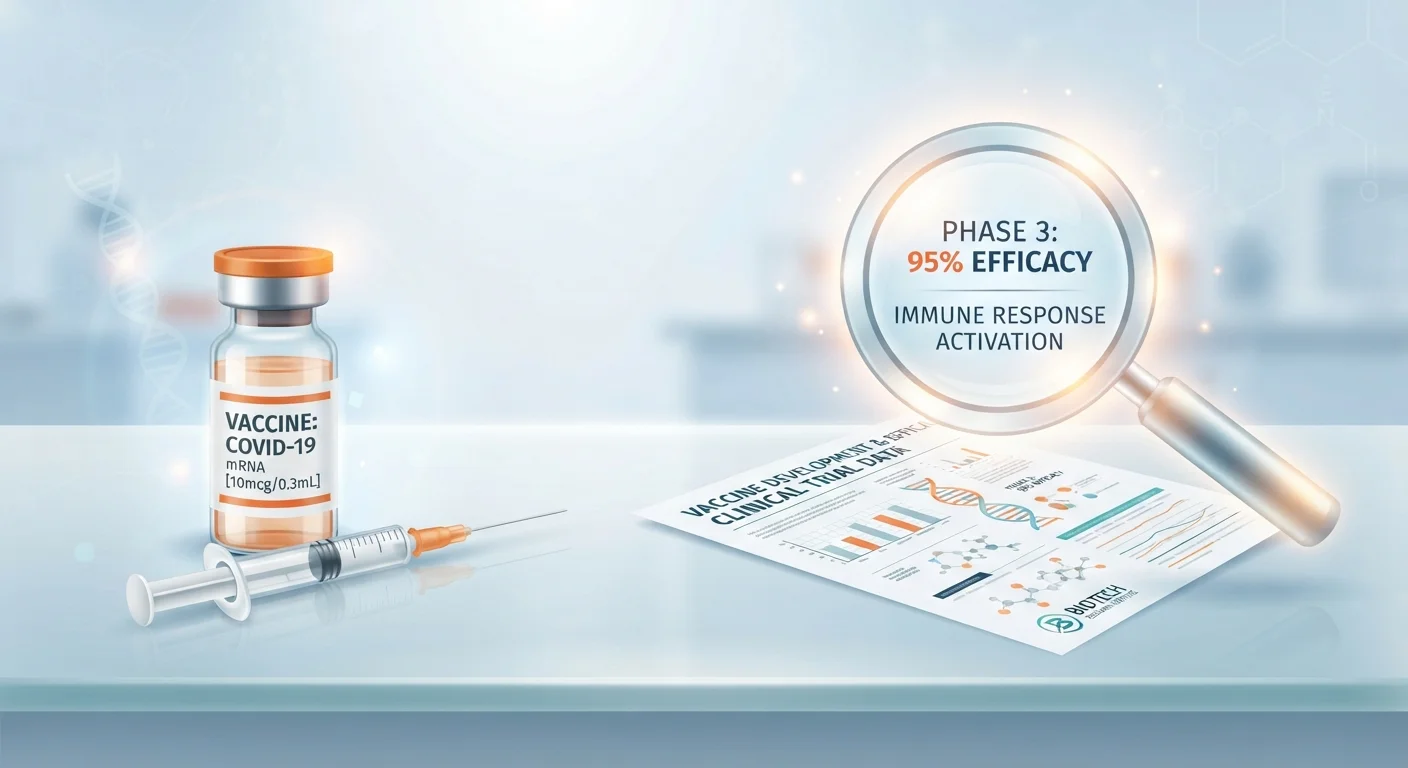
Photo: FeaturingHealth.net | Healthy Living Simplified editorial
Key Takeaways
- Vaccines do not cause autism — this claim originates from a retracted, fraudulent study.
- Natural infection can confer immunity but often at a higher risk than vaccination.
- Mild post-vaccination symptoms are a sign of immune activation, not illness.
- Vaccine schedules are designed around when children are most vulnerable, not convenience.
- Herd immunity through vaccination protects those who cannot be vaccinated.
Why Vaccine Misinformation Persists — and Why It Matters
Vaccines rank among the most rigorously tested and closely monitored medical interventions in modern public health. Yet persistent myths continue to shape the choices of many adults — and by extension, the communities around them. Misinformation spreads faster in digital environments than corrections do, which means even people who consider themselves careful consumers of health information may hold beliefs that contradict the published scientific record.
This article examines the most common vaccine misconceptions, measures each against current clinical evidence, and explains the underlying biology where it helps. Whenever you have personal questions about which vaccines apply to your situation, a conversation with a qualified healthcare provider is always the right first step.
For a deeper look at the biological processes at work, see how the immune system actually responds to a vaccine.
Myth
Vaccines cause autism.
Fact
No credible scientific evidence links vaccines to autism. The study that originated this claim was retracted for data fraud and the author lost his medical license.
The vaccine-autism claim traces to a 1998 paper published in The Lancet that has since been fully retracted. Subsequent investigations found the data were manipulated and ethical violations were committed. Dozens of large, independent studies — including analyses covering millions of children — have found no association between any licensed vaccine and autism spectrum disorder. The CDC, WHO, and the American Academy of Pediatrics all affirm this consensus.
Myth
Getting the disease naturally provides better immunity than a vaccine.
Fact
Natural infection can produce immunity, but it does so at the cost of experiencing — and potentially transmitting — a disease that may cause serious complications or death.
For some pathogens, infection-acquired immunity is robust; for others, it wanes or is incomplete. Vaccination is engineered to stimulate protective immunity while avoiding the risks of full illness. For diseases like measles, natural infection carries a real risk of encephalitis and death, particularly in young children. For a detailed comparison of infection-acquired and vaccine-induced immunity, see natural immunity vs. vaccine-induced immunity.
Myth
The childhood vaccine schedule is too aggressive and can overwhelm a baby's immune system.
Fact
The immunological capacity of infants far exceeds what any recommended schedule demands. Schedules are timed to build protection when vulnerability to serious disease is highest.
Research published in peer-reviewed immunology literature estimates that an infant's immune system could theoretically respond to thousands of antigens simultaneously. The full childhood schedule recommended by the Advisory Committee on Immunization Practices (ACIP) uses a small fraction of that capacity. Timing is driven by epidemiology: several vaccine-preventable diseases are most dangerous in infancy, making early protection medically important, not arbitrary.
Myth
If I feel healthy, I don't need a flu shot or other adult vaccines.
Fact
Feeling well does not confer immunity. Many vaccine-preventable diseases are most dangerous precisely because they can strike without warning in otherwise healthy adults.
Influenza, pneumococcal disease, and shingles, among others, can cause severe complications in immunologically healthy adults — not only in those with underlying conditions. Annual flu vaccination is recommended for virtually all individuals aged 6 months and older by the CDC. Adult immunization schedules are reviewed and updated regularly by ACIP based on evolving evidence; a healthcare provider can identify any gaps in your personal vaccination history.
Myth
Post-vaccination soreness and fever mean the vaccine made me sick.
Fact
Mild local reactions and transient low-grade fever are signs that the immune system is mounting a response — they indicate the vaccine is working, not that you are infected.
Vaccines contain antigens (or, in mRNA vaccines, instructions to produce an antigen) that trigger an immune response. The resulting inflammation, soreness, and occasionally mild fever are byproducts of immune activation — the same biological mechanisms that produce lasting protection. These effects are typically short-lived. Importantly, inactivated and mRNA vaccines cannot cause the infection they protect against because they contain no live pathogen capable of replication.
Myth
Herd immunity through vaccination is unnecessary — individual choice is all that matters.
Fact
Vaccination decisions affect more than the individual. Community immunity protects those who are medically unable to be vaccinated, including newborns and immunocompromised patients.
Infants too young for certain vaccines, people undergoing chemotherapy, and individuals with specific immune conditions cannot always be protected by their own vaccination. They depend on sufficient community coverage to reduce the pathogen's circulation. When vaccination rates fall below the threshold needed for herd immunity — which varies by disease — outbreaks become far more likely. Measles outbreaks in countries that had previously eliminated the disease illustrate this dynamic clearly.
Understanding Risk, Benefit, and Collective Protection
Every medical intervention carries some level of risk — the relevant question is always whether that risk is outweighed by the benefit. For vaccines with established safety profiles and decades of post-market surveillance data, the benefit-to-risk ratio is consistently favorable across healthy populations. Serious adverse events do occur, but at rates far lower than complications from the diseases vaccines prevent.
Collective protection — often called herd immunity — is not an abstract concept. When enough individuals in a community are immune, the pathogen has fewer opportunities to circulate, shielding newborns, immunocompromised patients, and others who cannot safely receive vaccines. This interdependence is one reason individual vaccination decisions carry public health weight beyond the individual.
Declining Vaccination Has Community Consequences
If you are pregnant or planning to become pregnant, vaccine decisions carry additional considerations. The article vaccination in pregnancy: what the evidence says provides an evidence-based overview — and underscores the importance of discussing timing with your obstetric provider.
For guidance on discussing vaccines with family members who have doubts, see talking with hesitant family members about vaccination.
Consult a Provider for Personal Vaccine Decisions
This article is for general health information and education only. It is not a substitute for professional medical advice, diagnosis, or treatment. Always consult a qualified healthcare provider about your personal vaccination needs.
The content on this site is for informational purposes only and is not a substitute for professional advice. Always consult a qualified professional for guidance specific to your situation.