
Immunity Gaps Adults Often Don't Know They Have

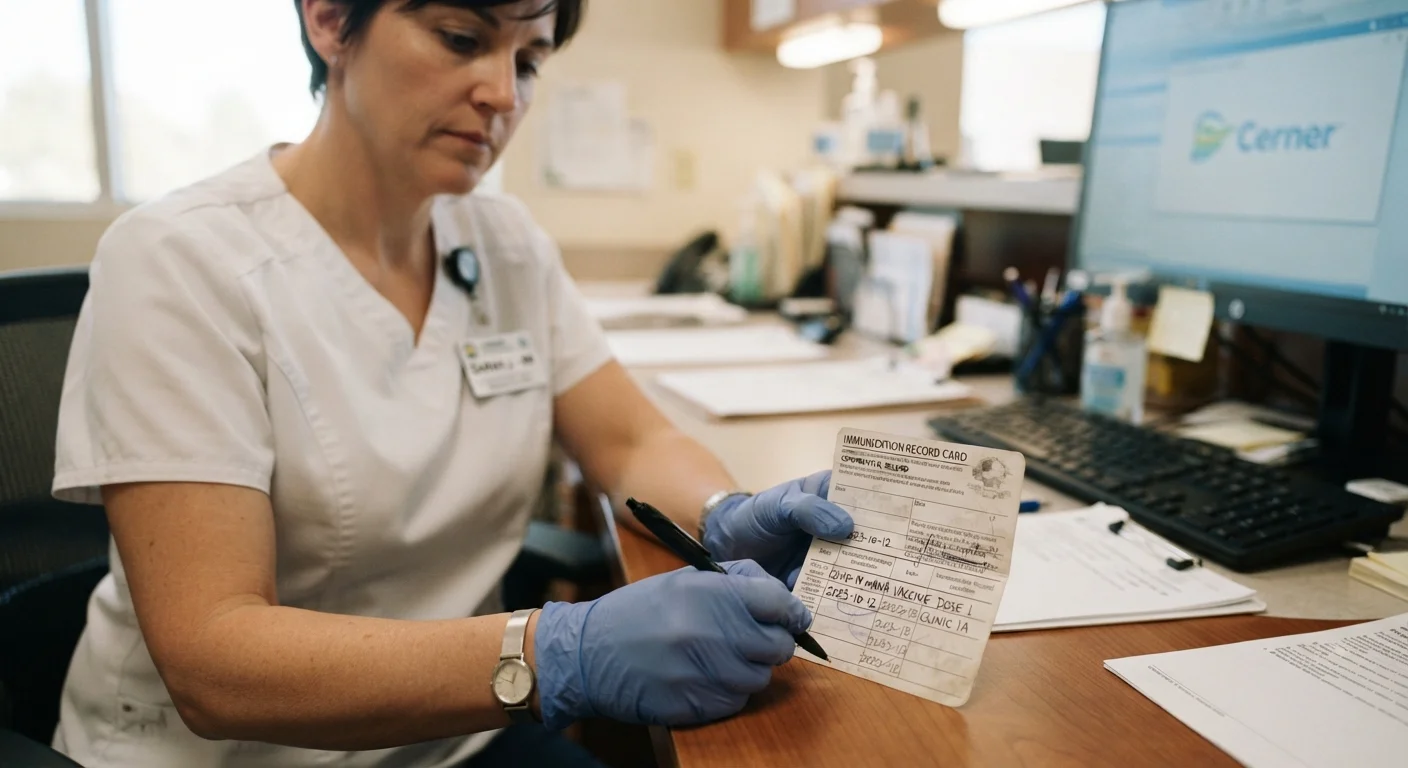
Photo: FeaturingHealth.net | Healthy Living Simplified editorial
Key Takeaways
- Many adults carry immunity gaps from missed childhood doses or incomplete vaccine series.
- Protection from some vaccines wanes over time, requiring booster doses in adulthood.
- A healthcare provider can review your vaccination history and recommend catch-up immunizations.
- Life changes such as pregnancy, chronic illness, or travel may create new vaccine needs.
- Reviewing your immunization records is a simple first step toward closing protection gaps.
Why Adults Are Often Under-Protected Without Knowing It
Most adults think of vaccines as something that happens in childhood — a completed checklist filed away in a doctor's office folder. But immunization is a lifelong process, and a surprising number of adults are carrying protection gaps they've never had reason to question. Those gaps stem from several distinct sources: vaccines that weren't available when you were a child, immunity that has faded over decades, doses that were missed during disorganized healthcare transitions, or new risks that emerge as life circumstances change.
The consequences aren't abstract. Diseases like whooping cough (pertussis), hepatitis B, and shingles disproportionately affect under-vaccinated adults, sometimes with serious outcomes. The good news is that most gaps are correctable. Understanding where they typically come from is the first step toward addressing them. The complete immunization timeline lays out what's recommended across every life stage — a useful reference for comparing your own history.
Ask for an Immunization Review at Your Next Visit
Common Sources of Adult Immunity Gaps
Vaccines That Didn't Exist During Your Childhood
Several vaccines now recommended for adults weren't part of routine childhood schedules until relatively recently. Hepatitis B vaccination became standard for infants in the early 1990s, meaning many adults born before that era were never vaccinated. The human papillomavirus (HPV) vaccine was introduced in 2006. Varicella (chickenpox) vaccine arrived in 1995. Adults who grew up before these vaccines existed may have no protection unless they've since received catch-up doses or acquired immunity through infection — and the latter isn't always confirmed without serologic testing.
Adults born before certain vaccines existed may never have received protection that's now routine.
Waning Immunity From Childhood Vaccines
Receiving a vaccine in childhood doesn't guarantee lasting protection into adulthood. Tetanus and diphtheria immunity, conferred by the DTaP series in early childhood, fades significantly over time — which is why Td or Tdap boosters are recommended every 10 years. Pertussis immunity from the childhood series also wanes, making adults a common but under-recognized source of transmission to vulnerable infants. Some evidence also suggests measles immunity may be lower among adults who received only one dose of the MMR vaccine, which was standard practice before 1989.
Tetanus, pertussis, and possibly measles protection can fade significantly decades after childhood vaccination.
Gaps From Disrupted or Incomplete Vaccine Series
Vaccine series that require multiple doses — such as hepatitis B (three doses), HPV (two or three doses depending on age at initiation), or the meningococcal series — are frequently left incomplete. Healthcare transitions during adolescence and young adulthood, periods of uninsurance, or simply losing track of records can interrupt completion. Incompletely vaccinated adults may assume they're protected when they've only received partial coverage. In many cases, interrupted series can be completed without restarting from scratch, but verification requires accurate records.
Incomplete multi-dose vaccine series are common during healthcare transitions and often go uncorrected.
New Vaccine Recommendations That Apply to Adults
Immunization guidelines are not static. The Advisory Committee on Immunization Practices (ACIP) regularly updates recommendations, and new vaccines are periodically approved for adult use. Recent years have brought updated guidance on respiratory syncytial virus (RSV) vaccines for older adults, revised pneumococcal vaccine schedules, and new formulations for influenza and COVID-19. Adults who haven't reviewed their vaccine status in several years may be unaware of recommendations that now apply to them based on their current age, health status, or risk factors.
ACIP updates recommendations regularly — adults who haven't checked recently may be missing newer vaccines.
Life Changes That Create New Vaccine Needs
Certain life circumstances introduce vaccine needs that didn't previously apply. Pregnancy brings specific recommendations for Tdap and influenza to protect both the mother and the newborn. A new chronic condition — such as diabetes, heart disease, or asthma — may qualify an adult for pneumococcal or hepatitis B vaccination that isn't universally recommended. International travel can require vaccines against typhoid, yellow fever, or hepatitis A. Healthcare workers, college students in dormitories, and people in close contact with infants all face elevated exposure risks that warrant targeted immunization review.
Pregnancy, chronic illness, and international travel each trigger specific vaccine recommendations adults may overlook.
Catch-Up Vaccination Is Available for Adults
Taking Action: How to Find and Fill Your Gaps
Closing an immunity gap starts with locating your vaccination history. Many state health departments maintain immunization information systems (IIS) where records may be stored. Your primary care provider, a pharmacist, or a travel medicine clinic can also help reconstruct your history and order appropriate catch-up vaccines based on current CDC and ACIP guidelines.
Adults over 60 face additional considerations as immune function shifts with age — including specific recommendations around shingles, pneumococcal disease, and annual influenza vaccination. See our guide on immunization changes after 60 for details on how vaccine recommendations evolve in later life.
This article is for general informational and educational purposes only and is not a substitute for professional medical advice. Speak with a qualified healthcare provider about your personal vaccination history and any immunizations that may be appropriate for you.
The content on this site is for informational purposes only and is not a substitute for professional advice. Always consult a qualified professional for guidance specific to your situation.