
Stress, Inflammation, and Chronic Disease: The Biological Connection

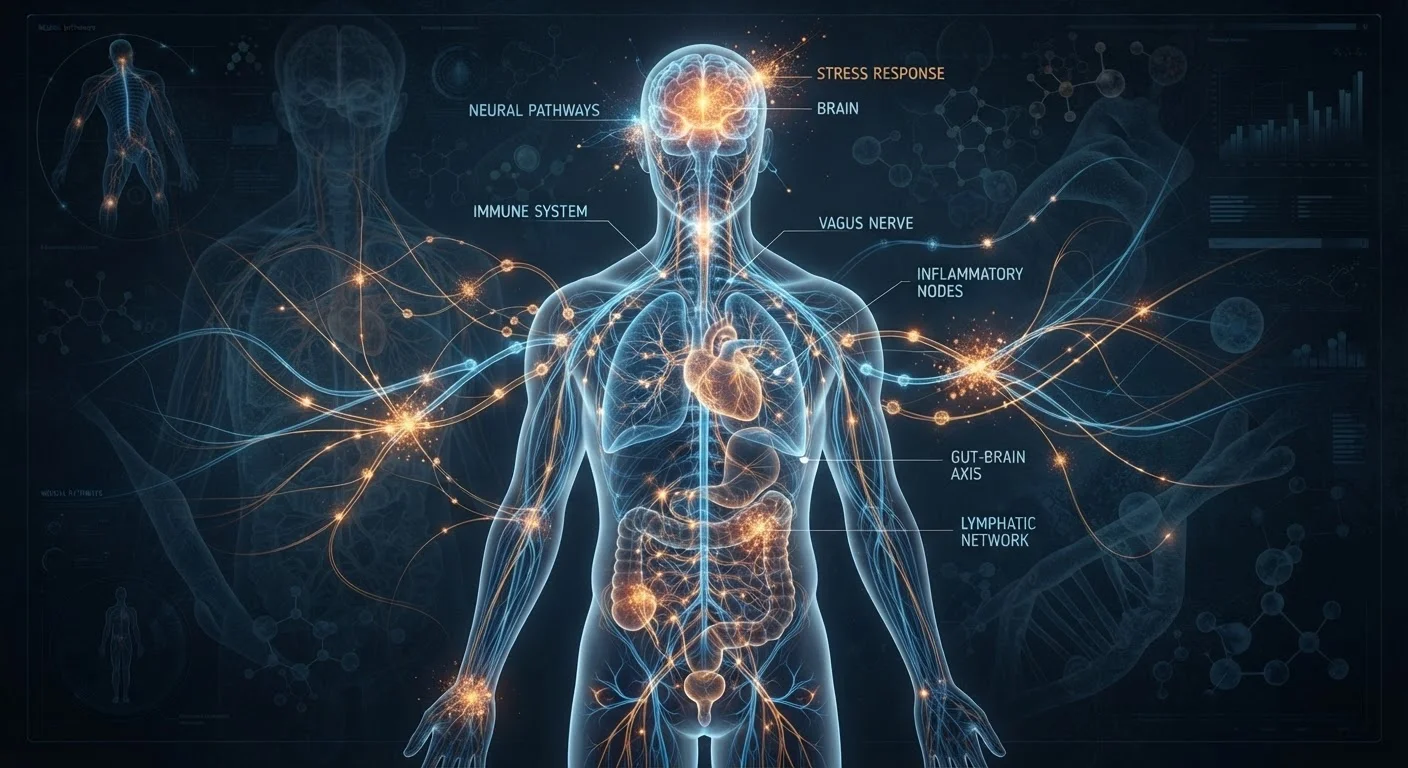
Photo: FeaturingHealth.net | Healthy Living Simplified editorial
Key Takeaways
- Chronic stress triggers the immune system to release inflammatory molecules that can harm the body over time.
- Sustained inflammation is a recognized biological mechanism linking psychological stress to heart disease, diabetes, and depression.
- Simple, consistent behaviors — adequate sleep, regular movement, and strong social ties — are among the most evidence-backed ways to lower stress-related inflammation.
- Short-term stress responses are protective; it is unresolved, long-duration stress that drives harmful inflammatory changes.
- Consulting a healthcare provider is important if you suspect chronic stress is affecting your physical health.
From Psychological Stress to Biological Harm
When the brain perceives a threat — whether a genuine emergency or a grinding workplace deadline — it activates two interconnected systems: the hypothalamic-pituitary-adrenal (HPA) axis and the sympathetic nervous system. These systems release stress hormones, primarily cortisol and adrenaline, that prepare the body to respond quickly. In the short term, this response is protective and well-designed.
The problem emerges when stress is chronic. Sustained HPA activation keeps cortisol levels elevated for extended periods. Over time, immune cells can become resistant to cortisol's normal anti-inflammatory signaling — meaning the hormone loses its ability to keep inflammation in check. The result is a persistent, low-grade inflammatory state that circulates throughout the body.
Researchers measure this state using biomarkers such as C-reactive protein (CRP) and interleukin-6 (IL-6). Studies have found that people reporting high chronic stress consistently show elevated levels of these markers compared to lower-stress peers — a pattern documented across different age groups and populations.
“Psychological stress affects the body's ability to regulate the inflammatory response, and when that regulation fails, the risk for a wide range of diseases increases substantially.”
— Sheldon Cohen, Professor of Psychology, Carnegie Mellon University, and leading researcher on stress and immunity
How Inflammation Connects Stress to Chronic Disease
Inflammation is not simply a byproduct of stress — it is the biological mechanism through which psychological pressure translates into lasting physical risk. The connections to specific chronic diseases are now well established in the research literature.
- Cardiovascular disease: Chronic inflammation damages arterial walls, promotes plaque buildup, and increases the likelihood of clotting events. Elevated CRP is an independent predictor of heart attack risk.
- Type 2 diabetes: Inflammatory cytokines interfere with insulin signaling in cells, contributing to insulin resistance — a core feature of type 2 diabetes.
- Depression and anxiety: The brain is not insulated from systemic inflammation. Elevated cytokines are found in many people with major depression, and evidence increasingly supports a bidirectional relationship: inflammation worsens mood, and mood disorders amplify stress responses.
- Autoimmune conditions: Chronic immune activation can disrupt self-regulatory mechanisms, potentially exacerbating conditions where the immune system attacks healthy tissue.
Understanding this chain — stress → HPA dysregulation → immune disruption → inflammation → disease — shifts the conversation from stress as merely a mental burden to stress as a clinically meaningful health risk factor. For men, chronic stress also reshapes hormonal profiles in ways that compound these risks over time.
~30%
Higher CRP levels in high-stress adults
Research reviews have found that individuals reporting high chronic stress show approximately 30% higher C-reactive protein concentrations compared to low-stress counterparts.
2x
Increased heart disease risk with chronic stress
A large body of epidemiological evidence, including findings from the European Heart Journal, indicates that sustained psychosocial stress roughly doubles cardiovascular disease risk, partly through inflammatory mechanisms.
7+ hours
Sleep needed to support healthy inflammation levels
CDC and sleep research guidelines identify seven or more hours of sleep per night for adults as the threshold below which inflammatory biomarkers measurably increase.
Behaviors That Meaningfully Interrupt the Cycle
The evidence base for stress-related inflammation is also, encouragingly, an evidence base for intervention. Several consistent, accessible behaviors have demonstrated measurable reductions in inflammatory markers.
Regular Physical Activity
Moderate-intensity exercise — such as brisk walking, cycling, or swimming — has well-documented anti-inflammatory effects. Physical activity improves cortisol regulation and reduces circulating levels of pro-inflammatory cytokines. The benefit is cumulative: consistency matters more than intensity.
Sleep Quality and Duration
Poor sleep is one of the strongest drivers of elevated inflammatory markers. Adults who consistently sleep fewer than seven hours per night show higher CRP and IL-6 levels. Prioritizing sleep hygiene is not a soft recommendation — it is a direct intervention in the stress-inflammation pathway.
Social Connection
Strong interpersonal relationships buffer the biological stress response. Social connection actively lowers stress through pathways that include reduced cortisol output and lower inflammatory marker levels. Isolation, conversely, is associated with increased inflammation.
Mindfulness-Based Practices
Mindfulness meditation and related practices have shown reductions in CRP and IL-6 in multiple controlled trials. These practices appear to down-regulate HPA axis reactivity, making the stress response less likely to become chronic.
Start Small to Build Durable Habits
It is also worth recognizing that chronic stress often sustains unhealthy habits — such as poor diet, alcohol use, and physical inactivity — that independently amplify inflammation. Understanding the stress-habit connection is a practical step toward breaking that feedback loop.
This article is for informational purposes only and does not constitute medical advice. Consult a qualified healthcare professional for guidance specific to your health situation.
Frequently Asked Questions
The content on this site is for informational purposes only and is not a substitute for professional advice. Always consult a qualified professional for guidance specific to your situation.