
Your Annual Health Screening Preparation Checklist

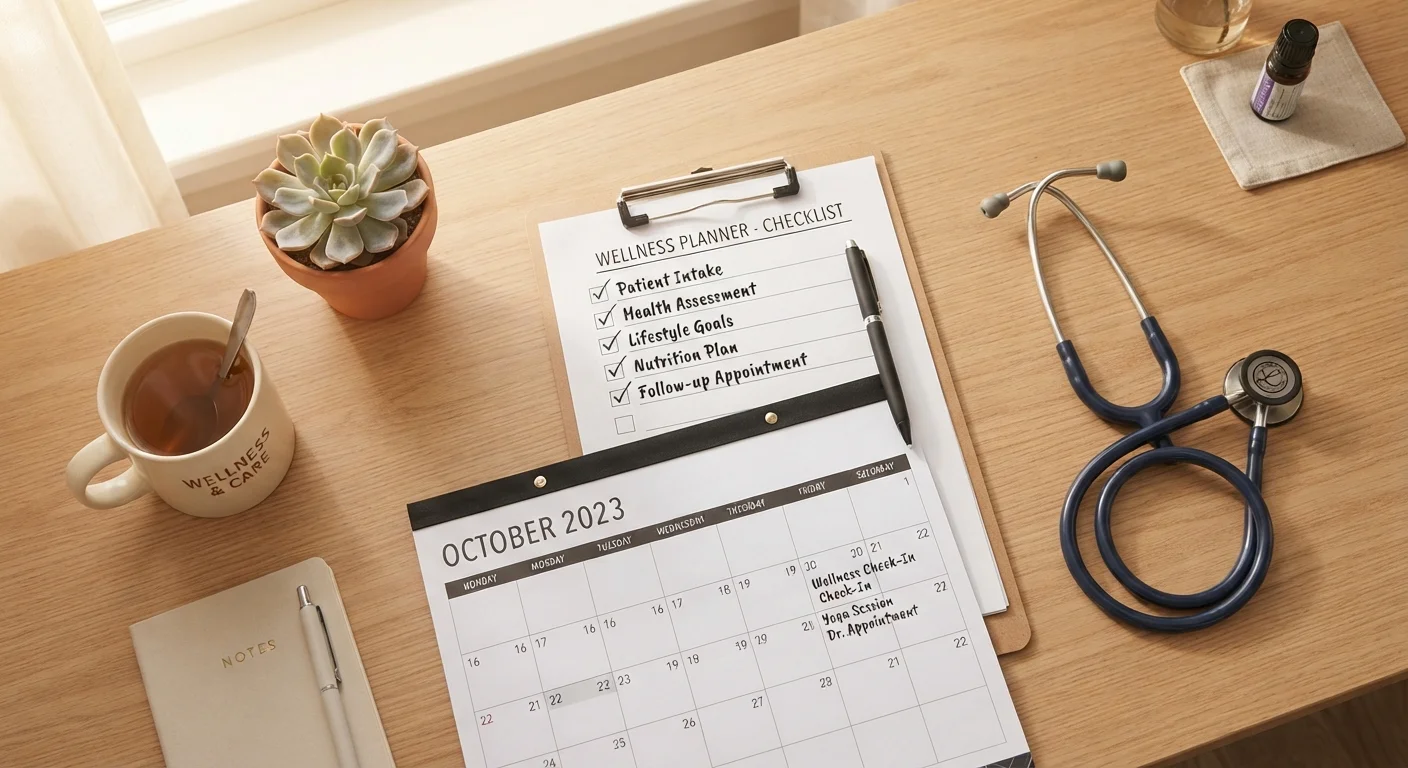
Photo: FeaturingHealth.net | Healthy Living Simplified editorial
Key Takeaways
- Gathering your medical records and family history before your visit helps your doctor recommend the right screenings.
- Age, sex, and personal risk factors — not just symptoms — determine which screenings you need and how often.
- Preparing a list of questions in advance leads to more productive, efficient appointments.
- Tracking your results year over year helps you spot meaningful trends before they become problems.
- Some screenings require scheduling separately from a routine physical — plan ahead to avoid gaps.
Why Preparation Makes Screenings More Effective
Annual health screenings are one of the most evidence-backed tools in preventive medicine, yet their value depends heavily on what you bring to the appointment — literally and figuratively. Routine health screenings differ from diagnostic tests: they look for risk factors and early-stage conditions in people who feel well, which means you and your clinician need a clear picture of your history to choose the right ones.
The U.S. Preventive Services Task Force (USPSTF) and the CDC issue evidence-graded recommendations that tie specific screenings to age ranges, biological sex, and individual risk profiles. Without accurate personal information in hand, those recommendations are harder to apply precisely. This checklist walks you through everything worth organizing before, during, and after your screening visit.
For a broader look at how screenings fit into your annual wellness routine, see our annual preventive health checklist. And if your family has a history of certain conditions, be aware that your screening timeline may differ from general guidelines — family history can meaningfully change when screenings should begin.
Before Your Appointment: Records & History
Know Your Screening Schedule by Age & Risk
Prepare Your Questions & Concerns
After Your Visit: Track, Follow Up, File
Tools You'll Need to Work Through This Checklist
Working through this checklist doesn't require specialized equipment, but having the right materials organized beforehand will make the process faster and your appointment more productive.
Personal health record folder or binder
Stores printed lab results, screening reports, and medication lists in one accessible place to bring to appointments.
Patient portal account
Provides digital access to your lab results, visit summaries, and upcoming appointment reminders through your healthcare provider's system.
Medication and supplement list
Ensures your clinician has a complete, accurate picture of what you're taking to avoid interactions and inform screening decisions.
Family health history document
Captures first-degree relatives' conditions and ages of diagnosis, which may affect the timing and type of screenings recommended for you.
Calendar or reminder app
Helps you track screening intervals, appointment dates, and follow-up deadlines so nothing falls through the cracks year over year.
USPSTF recommendation tool
Lets you look up current evidence-graded screening recommendations by age and sex directly from the authoritative clinical guideline source.
Before, During, and After: Making Each Visit Count
Preparation doesn't stop once you walk into the exam room. The most productive screening visits follow a clear arc: organized intake, focused conversation, and disciplined follow-through on results.
Some Screenings Must Be Scheduled Separately
Before your appointment, confirm whether your insurance covers the specific screenings your doctor plans to order, as coverage rules vary by plan and some preventive services may require prior authorization. Bring a printed or digital copy of your records rather than relying on memory — clinicians often have limited time to search for prior results in external systems.
During the visit, work through your prepared questions systematically. If a screening result comes back abnormal, ask specifically what the next step is, when you should expect follow-up contact, and what result range is considered clinically significant versus a borderline finding. Understanding the difference helps you respond proportionately rather than with unnecessary anxiety.
After the visit, log each result with its date. Over time, tracking trends — gradual cholesterol changes, slight blood pressure shifts — gives both you and your clinician early signals that deserve attention. Learn how to prepare for a preventive health visit and follow up on results effectively. For a complete picture of which screenings are recommended at each life stage, a lifelong screening calendar can help you plan years ahead.
Abnormal Results Are Not Automatic Diagnoses
This article provides general health information for educational purposes only and is not a substitute for personalized medical advice. Always consult a qualified healthcare professional about which screenings are appropriate for your individual health history, risk factors, and circumstances.
The content on this site is for informational purposes only and is not a substitute for professional advice. Always consult a qualified professional for guidance specific to your situation.