
Health Screenings

Why People Skip Routine Screenings — And What That Costs

Why People Skip Routine Screenings — And What That Costs

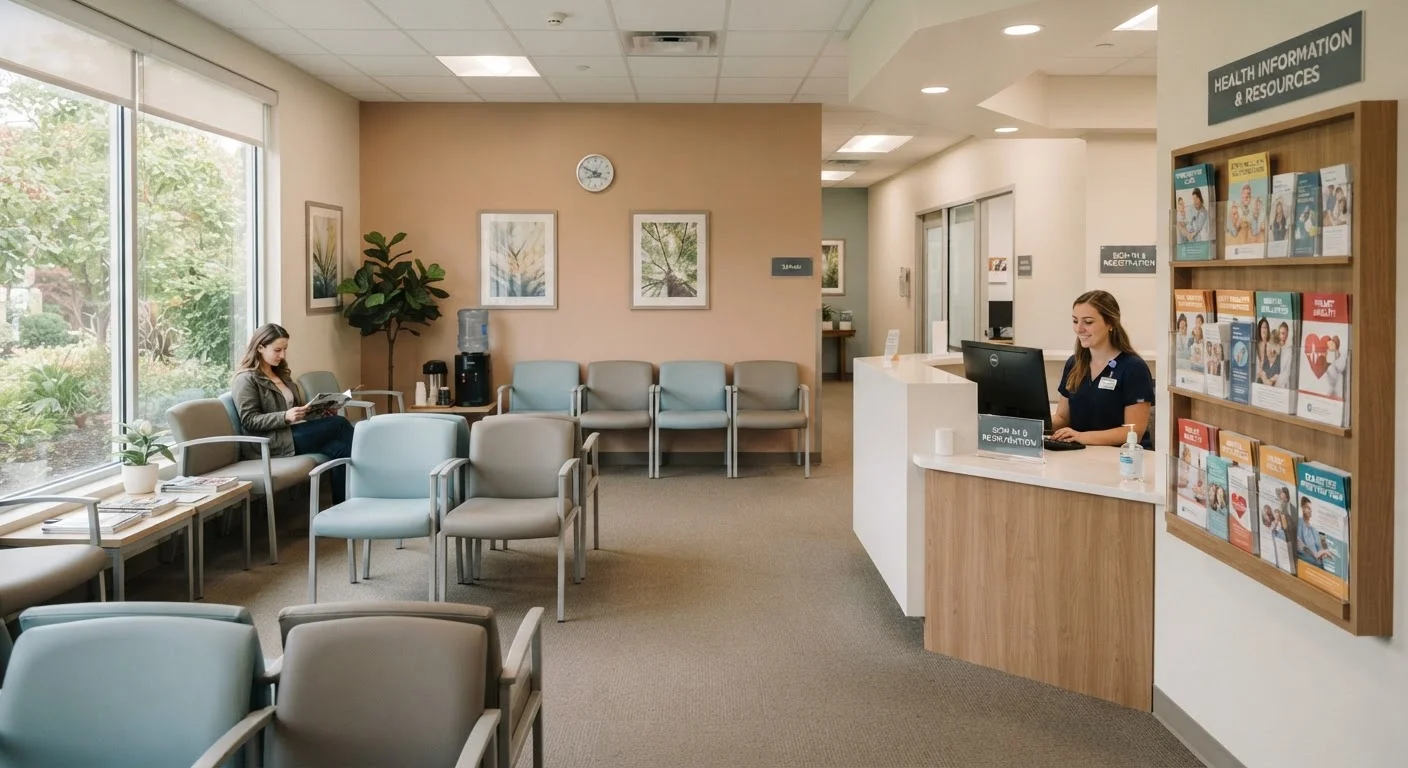
Photo: FeaturingHealth.net | Healthy Living Simplified editorial

Fear, cost concerns, and time pressures are among the most common reasons adults delay screenings. Understanding these barriers is the first step to overcoming them.

Key Takeaways

  • Fear of bad news is one of the most common — and most consequential — reasons adults avoid screenings.
  • Cost and logistical barriers are real, but many screenings are covered under the ACA with no cost-sharing.
  • Assuming good health means no testing is needed leads to missed early-stage detection opportunities.
  • Talking openly with a primary care provider can resolve most screening misconceptions before they cause delays.

The Gap Between Knowing and Going

Most adults understand, at least in the abstract, that routine health screenings matter. Yet national data consistently show that significant portions of the eligible population are not current on recommended tests — from colorectal cancer screening to blood pressure checks to mammograms. The knowing-doing gap is not primarily a knowledge problem. It is a behavior problem, driven by identifiable, addressable barriers.

Understanding those barriers is the starting point. Routine screenings are designed to detect conditions before symptoms appear, which means the window for early intervention stays open only as long as people show up on schedule. When they don't, that window closes quietly — and the costs, both medical and financial, tend to be substantially higher.

~72%

Adults current on colorectal cancer screening

According to CDC surveillance data, roughly 72% of eligible US adults aged 50–75 were up to date on colorectal cancer screening, leaving nearly one in three unscreened.

5-year survival: 91%

Localized breast cancer survival rate

The American Cancer Society reports a five-year relative survival rate exceeding 99% for localized breast cancer, compared to approximately 29% for distant-stage disease — underscoring the value of early detection.

45%

Adults who skipped care due to cost concerns

A Gallup survey found that roughly 45% of US adults reported delaying or skipping medical care due to cost, a barrier that often applies to screenings even when coverage exists.

Common Mistakes That Lead to Skipped Screenings

The reasons adults delay or avoid routine testing follow recognizable patterns. Below are the most prevalent errors — and concrete ways to correct them.

1

Avoiding screenings out of fear of receiving a bad diagnosis.

Why it happens: The anxiety of potentially hearing difficult news leads many people to prefer the uncertainty of not knowing. This avoidance feels protective in the short term but removes the opportunity for early treatment.
How to avoid: Reframe the purpose of screening: a normal result provides genuine reassurance, and an abnormal result — caught early — typically offers far more treatment options than a late-stage diagnosis. Speaking with a clinician about what a specific test involves and what results actually mean can significantly reduce anticipatory anxiety.
2

Assuming that feeling healthy means no testing is needed.

Why it happens: Many serious conditions — including hypertension, type 2 diabetes, and early-stage cancers — produce no noticeable symptoms in their initial phases. Feeling well creates a false sense of security.
How to avoid: Recognize that screenings are designed specifically for asymptomatic individuals. Symptoms, by definition, indicate that a condition has already progressed. Staying on schedule with recommended tests is how problems are found before they become symptomatic.
3

Letting cost concerns prevent scheduling even when coverage exists.

Why it happens: A widespread but often inaccurate assumption is that screenings will result in large out-of-pocket bills. This concern causes many insured adults to delay care unnecessarily.
How to avoid: Under the Affordable Care Act, most USPSTF-recommended preventive screenings must be covered by non-grandfathered health plans without cost-sharing. Call your insurer before assuming a cost barrier exists — many screenings carry no copay or deductible when ordered preventively by an in-network provider.
4

Postponing screenings indefinitely due to scheduling friction.

Why it happens: Work schedules, childcare responsibilities, and limited clinic hours create genuine logistical barriers that cause initial delays to become permanent ones.
How to avoid: Treat screening appointments with the same priority as non-negotiable work commitments — schedule them during annual wellness visits or at the start of each calendar year. Many community health centers and retail clinics now offer extended and weekend hours, and some screenings (such as colorectal cancer tests) can be completed at home.
5

Relying on a single past normal result as indefinite clearance.

Why it happens: After receiving a normal test result, some people conclude they have been cleared and do not need to return. This misunderstands that most screenings require periodic repetition because health status changes over time.
How to avoid: Ask your provider explicitly how frequently each recommended test should be repeated. Screening intervals are set based on the natural progression of specific conditions — a normal colonoscopy at age 50 does not eliminate the need for a repeat test at age 60.

Delay Has a Compounding Cost

Postponing a screening by one year may seem inconsequential, but for conditions with rapid progression — certain cancers, uncontrolled hypertension — the difference between catching something at stage I versus stage III can determine treatment complexity and outcomes. Do not let a manageable scheduling obstacle become a multi-year gap. If you have missed a recommended screening, the best time to schedule it is now.

If you are uncertain which screenings apply to your age, sex, or risk profile, a conversation with a primary care provider is the most reliable next step. You can also consult a lifelong screening calendar for a structured overview of what guidelines recommend at each life stage.

It is also worth examining whether beliefs about screenings — not just logistics — are shaping your decisions. Widespread myths about testing can be just as much of a barrier as scheduling conflicts, and they deserve the same scrutiny. For a balanced view of both benefits and real limitations, see the honest trade-offs of routine screening.

This article is for general informational purposes only and does not constitute medical advice. Always consult a qualified healthcare professional for guidance specific to your health history and circumstances.

Preventive Health Editorial Team

FeaturingHealth.net | Healthy Living Simplified

Preventive Health Editorial Team is the collective byline for our editorial team and contributor network. Articles published under this byline or an editorial pen name are researched, written, and reviewed according to our editorial standards for clarity, consistency, and independence before publication.

Health ScreeningsPreventive HabitsVaccines & Immunity
View author profile

The content on this site is for informational purposes only and is not a substitute for professional advice. Always consult a qualified professional for guidance specific to your situation.