
Fat-Soluble vs. Water-Soluble Vitamins: Why the Difference Matters

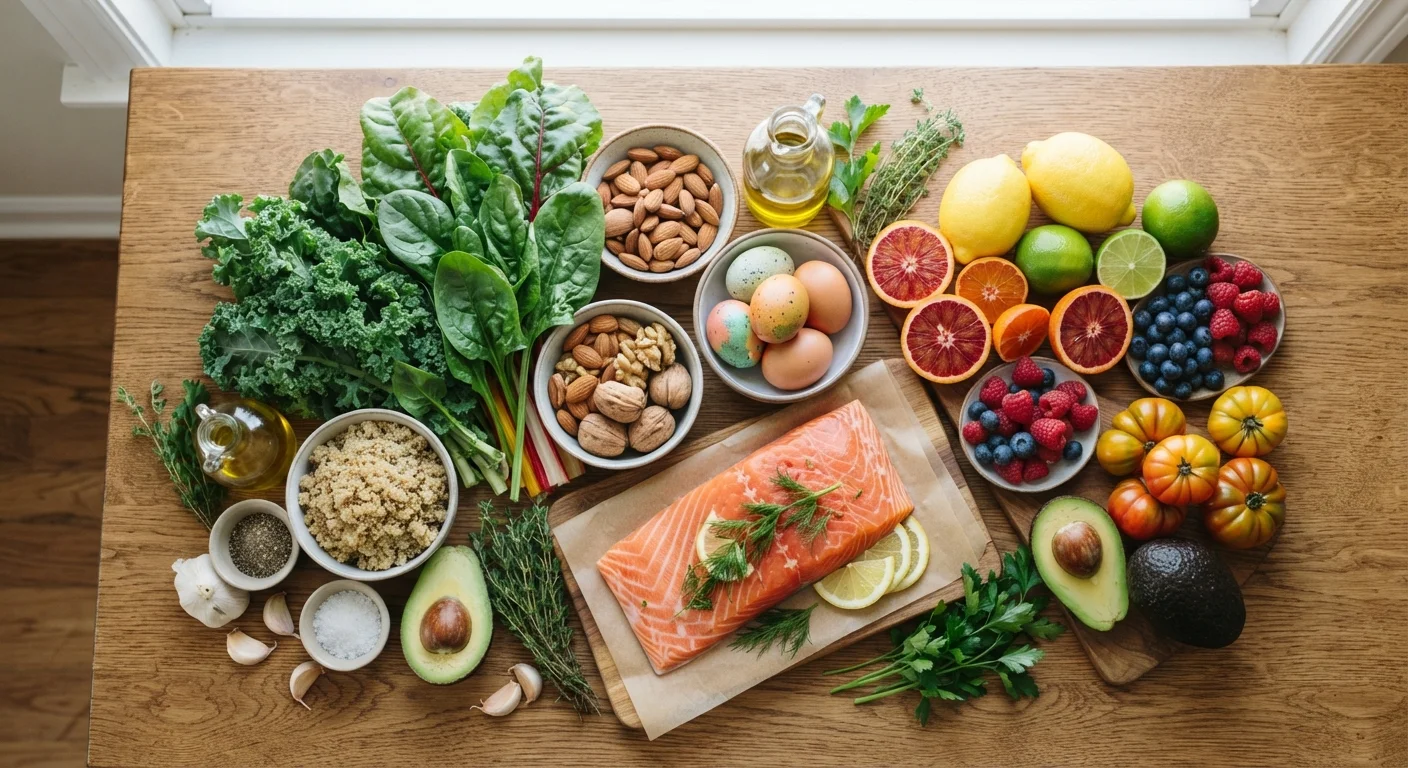
Photo: FeaturingHealth.net | Healthy Living Simplified editorial
Key Takeaways
- Fat-soluble vitamins (A, D, E, K) accumulate in body fat and liver, so over-supplementation carries real risk.
- Water-soluble vitamins (C and B vitamins) are not stored in meaningful amounts and need regular replenishment through food.
- Eating dietary fat with fat-soluble vitamins significantly improves how well your body absorbs them.
- A varied, whole-food diet typically meets most people's vitamin needs without supplementation.
- Always consult a healthcare professional before starting any vitamin supplement regimen.
What Makes a Vitamin Fat-Soluble or Water-Soluble?
The terms fat-soluble and water-soluble describe how a vitamin dissolves and moves through the body. This single chemical property shapes everything from how often you need to eat a nutrient to how easily you can get too much of it.
Fat-soluble vitamins — A, D, E, and K — require the presence of dietary fat to be absorbed in the small intestine. Once absorbed, they travel through the lymphatic system and are stored in the liver and fatty tissue. Your body can draw on these reserves when dietary intake dips temporarily.
Water-soluble vitamins — vitamin C and the eight B vitamins (including thiamine, riboflavin, niacin, B6, B12, folate, biotin, and pantothenic acid) — dissolve directly in water and pass into the bloodstream without needing fat. Because they are not stored in significant quantities, the kidneys filter out excess amounts in urine. This means you need to replenish them regularly through food.
For a broader look at what all vitamins and minerals do in the body, see our foundational micronutrient guide.
| Criterion | Fat-Soluble Vitamins | Water-Soluble Vitamins |
|---|---|---|
| Vitamins included | A, D, E, K | C and eight B vitamins |
| How they dissolve | Dissolve in dietary fat | Dissolve in water |
| Storage in body | Stored in liver and fatty tissue | Not stored; excess excreted in urine |
| Replenishment frequency | Less frequent; reserves buffer gaps | Regular daily intake needed |
| Toxicity risk from excess | Higher — accumulates over time | Lower — but not zero at very high doses |
| Absorption tip | Eat with dietary fat | Minimize boiling; opt for light cooking |
| Key food sources | Liver, fatty fish, eggs, leafy greens, nuts | Citrus, whole grains, legumes, leafy greens |
Practical Implications: Storage, Toxicity, and Absorption
The storage difference has real consequences. Because fat-soluble vitamins accumulate, taking high-dose supplements of vitamins A or D over time can lead to toxicity — a condition called hypervitaminosis. Symptoms vary by vitamin but can include nausea, bone pain, or neurological effects in severe cases. Food sources alone rarely cause this problem because the concentrations involved are far lower.
Water-soluble vitamins present a lower toxicity risk, but that doesn't mean unlimited supplementation is safe. Very high doses of vitamin B6, for example, have been linked to nerve damage. The general principle: food-first intake is the safest approach for both categories.
Absorption efficiency also differs. Fat-soluble vitamins are absorbed most effectively when consumed alongside dietary fat. Eating a salad with fat-free dressing significantly reduces how much vitamin K and beta-carotene (a precursor to vitamin A) your body actually takes up. Adding a drizzle of olive oil or a few slices of avocado makes a measurable difference. Learn more about how food pairings affect nutrient absorption.
A Note on Supplements and Special Populations
For water-soluble vitamins, absorption is generally efficient regardless of what else you eat, though cooking methods matter. Boiling vegetables can leach B vitamins and vitamin C into the cooking water. Steaming, roasting, or briefly sautéing tends to preserve more of these nutrients.
This article is for informational purposes only and is not a substitute for personalized medical or dietary advice. Consult a qualified healthcare professional before changing your diet or starting any supplement.
Food Sources and Everyday Eating Strategies
Understanding the two vitamin categories helps you make smarter daily food choices without obsessing over individual nutrients.
~40%
U.S. adults with low vitamin D status
According to National Health and Nutrition Examination Survey (NHANES) data, a substantial portion of American adults have vitamin D levels below recommended thresholds.
4
Fat-soluble vitamins in the human diet
Vitamins A, D, E, and K are the only four recognized fat-soluble vitamins; all others are water-soluble, underscoring how different the two categories are in scope.
Up to 50%
B vitamin loss from boiling vegetables
Research published in food science literature indicates that boiling can leach significant amounts of water-soluble vitamins into cooking water compared to steaming.
For fat-soluble vitamins:
- Vitamin A: liver, dairy, eggs, and orange-yellow vegetables (carrots, sweet potatoes) that supply beta-carotene.
- Vitamin D: fatty fish, egg yolks, and fortified dairy or plant milks. Most Americans get less than recommended amounts from food alone.
- Vitamin E: nuts, seeds, vegetable oils, and leafy greens.
- Vitamin K: leafy greens like kale, spinach, and broccoli.
Always pair these foods with a source of healthy fat to maximize uptake. Dietary fat plays a broader role in nutrition than absorption alone — it supports hormone production and brain function too.
For water-soluble vitamins:
- Vitamin C: citrus fruits, bell peppers, strawberries, broccoli, and tomatoes.
- B vitamins: whole grains, legumes, leafy greens, eggs, dairy, meat, and fish. Vegans and vegetarians should pay particular attention to vitamin B12, which is found almost exclusively in animal products or fortified foods.
Because water-soluble vitamins aren't banked for later, consistent variety matters more than any single superfood. Eating a wide range of whole foods across the week is more reliable than trying to compensate with one nutrient-dense meal.
The content on this site is for informational purposes only and is not a substitute for professional advice. Always consult a qualified professional for guidance specific to your situation.