
Snacking: The Trade-Offs of Grazing vs. Structured Meal Timing

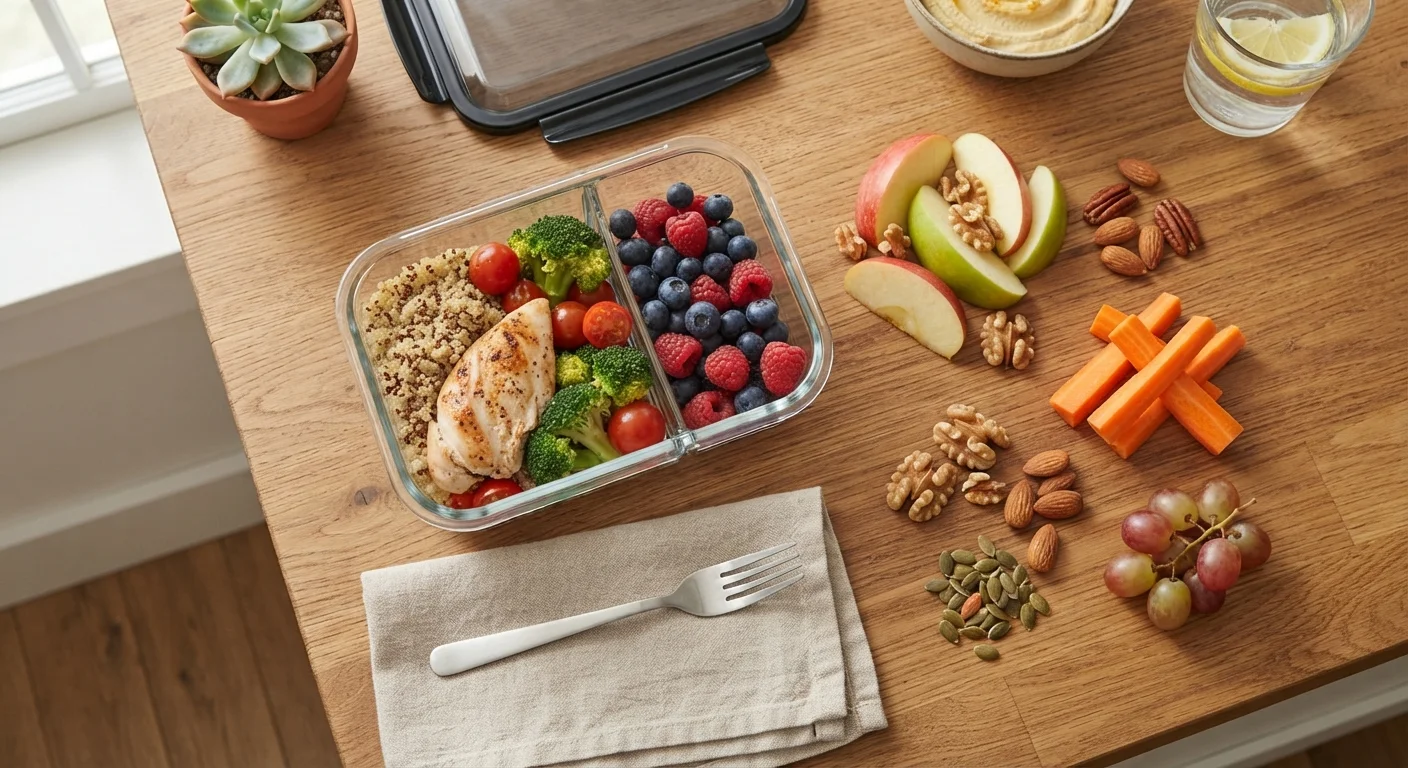
Photo: FeaturingHealth.net | Healthy Living Simplified editorial
Key Takeaways
- Grazing throughout the day can prevent extreme hunger but may lead to mindless overeating.
- Structured meal timing supports digestive rhythm and makes portion control more predictable.
- Neither approach is universally superior — individual lifestyle and hunger patterns matter most.
- Snack quality is as important as snack frequency when assessing dietary impact.
- Consulting a registered dietitian can help you identify the eating pattern that fits your needs.
Prevents extreme hunger between meals
Eating every few hours can stop blood sugar from dipping sharply, which often triggers overeating at the next meal. This is particularly relevant for people who skip breakfast or go many hours without food.
Supports sustained energy for active individuals
For people with physically demanding jobs or regular exercise routines, a small, balanced snack can provide fuel without the heaviness of a full meal. Pairing protein with complex carbohydrates is a well-supported strategy for sustained energy.
Offers flexibility for unpredictable schedules
Rigid mealtimes don't suit everyone's life. Grazing allows food intake to flex around meetings, shift work, or family demands without forcing long gaps between eating occasions.
Can improve micronutrient variety
More eating occasions can mean more opportunities to include fruits, vegetables, or dairy that might otherwise be crowded out of two or three larger meals.
Makes total calorie intake harder to track
Frequent, informal eating often lacks the clear start and stop of a meal, making it easy to consume more than intended. Research consistently shows people underestimate portions from snacks more than from sit-down meals.
Can blur hunger and habit-driven eating
Grazing patterns sometimes shift eating away from genuine physiological hunger toward boredom, stress, or social habit. Over time, this can erode the ability to recognize true hunger cues.
Ultra-processed snacks dominate convenience options
When snacking is frequent and unplanned, the path of least resistance often leads to packaged foods high in added sugar, sodium, and refined carbohydrates — which can undermine an otherwise balanced diet.
May reduce satiety signals from full meals
Some evidence suggests that eating too frequently can keep the body in a continuous digestive state, potentially reducing the satisfaction and appetite regulation that a properly timed, adequate meal provides.
What Do We Mean by Grazing vs. Structured Meal Timing?
Grazing refers to eating small amounts frequently throughout the day — often every two to three hours — rather than sitting down to distinct, planned meals. Structured meal timing, by contrast, means anchoring your food intake to defined meal windows, typically two to four meals per day, with little or no eating between them.
Both patterns show up in mainstream nutrition guidance, and both have legitimate evidence behind them. The right fit depends on your body's hunger cues, your daily schedule, and how well you can monitor food quality when eating on the go. See our guide to meal planning vs. flexible eating for a broader comparison of eating frameworks.
The Case for Snacking: Pros of Grazing
Eating more frequently has genuine advantages for certain people and situations.
Prevents extreme hunger between meals
Eating every few hours can stop blood sugar from dipping sharply, which often triggers overeating at the next meal. This is particularly relevant for people who skip breakfast or go many hours without food.
Supports sustained energy for active individuals
For people with physically demanding jobs or regular exercise routines, a small, balanced snack can provide fuel without the heaviness of a full meal. Pairing protein with complex carbohydrates is a well-supported strategy for sustained energy.
Offers flexibility for unpredictable schedules
Rigid mealtimes don't suit everyone's life. Grazing allows food intake to flex around meetings, shift work, or family demands without forcing long gaps between eating occasions.
Can improve micronutrient variety
More eating occasions can mean more opportunities to include fruits, vegetables, or dairy that might otherwise be crowded out of two or three larger meals.
For adults managing busy, unpredictable days, snacking can bridge nutritional gaps that meals alone might miss. Our practical strategies for eating well on a tight schedule cover how to make snacks work even when time is short.
The Downsides of Constant Snacking
Despite its advantages, frequent eating also carries real risks that are easy to underestimate.
Makes total calorie intake harder to track
Frequent, informal eating often lacks the clear start and stop of a meal, making it easy to consume more than intended. Research consistently shows people underestimate portions from snacks more than from sit-down meals.
Can blur hunger and habit-driven eating
Grazing patterns sometimes shift eating away from genuine physiological hunger toward boredom, stress, or social habit. Over time, this can erode the ability to recognize true hunger cues.
Ultra-processed snacks dominate convenience options
When snacking is frequent and unplanned, the path of least resistance often leads to packaged foods high in added sugar, sodium, and refined carbohydrates — which can undermine an otherwise balanced diet.
May reduce satiety signals from full meals
Some evidence suggests that eating too frequently can keep the body in a continuous digestive state, potentially reducing the satisfaction and appetite regulation that a properly timed, adequate meal provides.
Snack Quality Matters as Much as Frequency
Snack quality has an outsized effect on outcomes. A handful of mixed nuts or a piece of fruit between meals differs dramatically from ultra-processed snack foods in terms of satiety, nutrient density, and impact on daily calorie intake. Focusing on food quality — not just eating frequency — is essential to making either pattern work.
Key Nutritional Factors to Consider
Regardless of whether you graze or eat on a schedule, two principles apply universally: nutrient balance and overall intake. The USDA's Dietary Guidelines emphasize distributing protein, fiber, and healthy fats across the day to support steady energy — an approach covered in detail in our guide to balancing macronutrients across a day's meals.
~25%
Daily calories Americans get from snacks
National Health and Nutrition Examination Survey (NHANES) data indicates that snacks contribute roughly a quarter of total daily energy intake for many U.S. adults.
2–4x
Protein's relative effect on satiety vs. carbs
Multiple controlled studies published in peer-reviewed nutrition journals suggest protein is significantly more satiating per calorie than refined carbohydrates, supporting its role in hunger management.
Hunger and satiety hormones — including ghrelin (which signals hunger) and leptin (which signals fullness) — respond differently depending on meal frequency and composition. Some research suggests that higher-protein meals and snacks may blunt hunger signals more effectively than carbohydrate-heavy options, though individual responses vary.
This article is for general informational purposes only and does not constitute medical or dietary advice. For personalized guidance, consult a registered dietitian or qualified healthcare provider.
The content on this site is for informational purposes only and is not a substitute for professional advice. Always consult a qualified professional for guidance specific to your situation.