
Eating More Vegetables Without Forcing It: Approaches That Actually Work

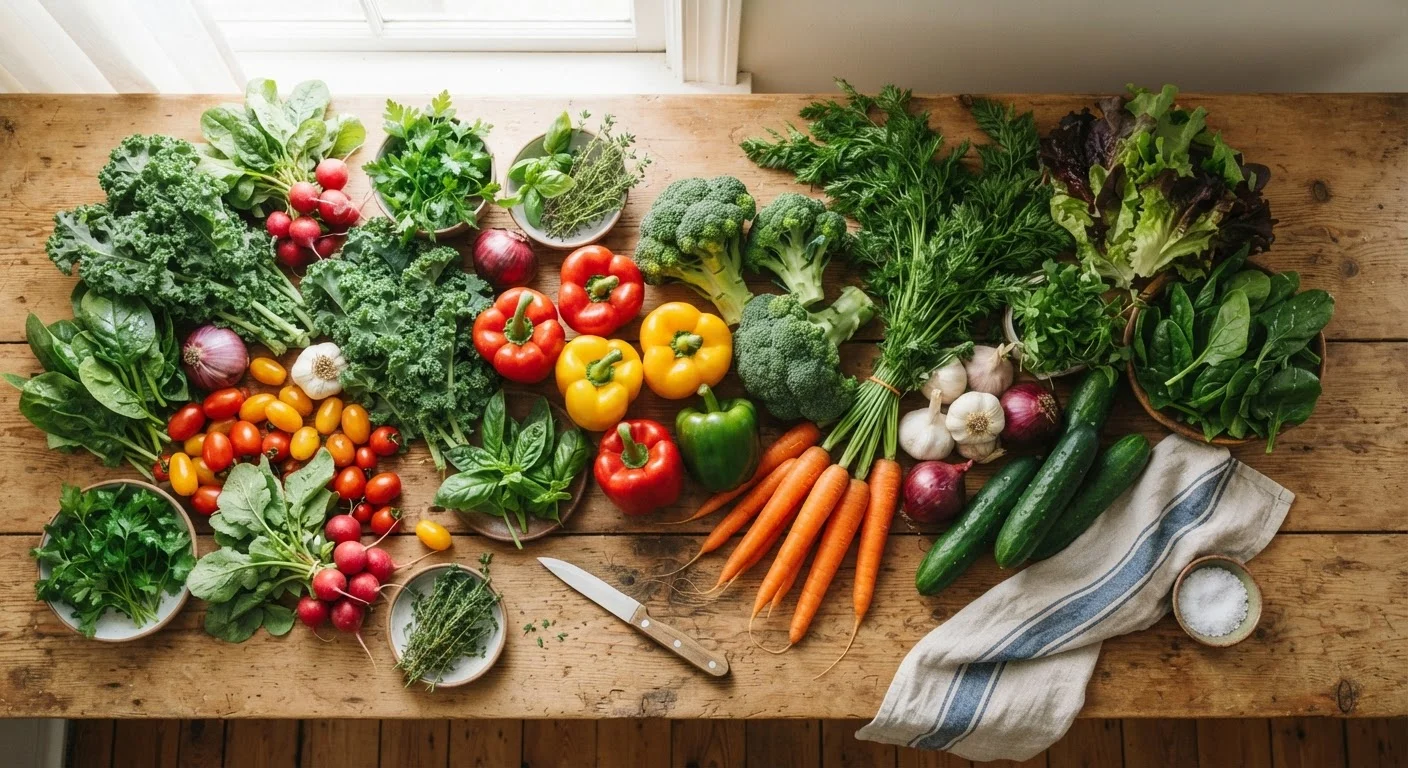
Photo: FeaturingHealth.net | Healthy Living Simplified editorial
Key Takeaways
- Adding vegetables to meals you already enjoy is more sustainable than creating entirely new habits from scratch.
- Preparation and visibility are two of the biggest levers for increasing how often vegetables get eaten.
- Flavor matters — learning basic seasoning techniques makes vegetables something to look forward to, not endure.
- Frozen and canned vegetables are nutritionally valid options that reduce the barrier of fresh produce preparation.
- Small, consistent additions outperform short-term overhauls when it comes to lasting dietary change.
Why Most Vegetable-Eating Advice Doesn't Stick
Most adults are aware they should eat more vegetables. The gap isn't knowledge — it's behavior. Advice that focuses on what to eat without addressing how to make it happen consistently tends to produce short-term motivation followed by a return to baseline. What actually changes eating habits are environmental cues, reduced friction, and approaches that integrate into existing routines rather than demanding new ones.
The strategies below are grounded in those behavioral principles. None of them require dramatic overhauls, specialty ingredients, or exceptional cooking skill. They're designed to be layered in gradually, so that increasing your vegetable intake becomes a natural pattern rather than a willpower exercise.
What you will need
What You'll Need Before You Start
You don't need a fully stocked kitchen or advanced cooking knowledge to increase your vegetable intake meaningfully. A few basic tools make the process significantly more practical.
Sheet pan or rimmed baking sheet
Used for roasting vegetables, which caramelizes natural sugars and produces a more appealing texture and flavor than steaming.
Sharp chef's knife and cutting board
Efficient prep work; uniform cuts ensure even cooking and make vegetables easier to eat.
Clear airtight containers
Storing prepped vegetables at refrigerator eye level increases the likelihood they'll be used.
Blender or food processor
Useful for blending vegetables into sauces, soups, or smoothies — especially helpful for picky eaters.
Frozen vegetables (variety)
A nutritionally comparable, lower-prep alternative to fresh produce that reduces spoilage and time barriers.
Prep Once, Eat All Week
Step-by-Step: Making Vegetables a Consistent Part of Your Day
Work through these steps sequentially if you're starting from scratch, or jump to the ones most relevant to your current barriers. Each step builds on a real obstacle — convenience, flavor, habit formation, or preparation — rather than assuming motivation alone is enough.
Start with vegetables you already tolerate
Identify two or three vegetables you find at least neutral — not necessarily your favorites, but ones you don't actively dislike. These become your starting point. Trying to force unfamiliar or previously rejected vegetables is a common early stumbling block. Build momentum with familiar ground first.
Add vegetables to meals you're already cooking
Rather than cooking new vegetable-centric dishes, insert vegetables into meals already in your rotation. Stir a handful of spinach into scrambled eggs. Add frozen peas to pasta. Fold diced bell peppers into a ground meat sauce. The meal stays familiar; the vegetable content increases without demanding new habits.
This approach works because it lowers the decision-making load. You're not choosing what to cook — you're slightly modifying what you already know how to make.
Change how you prepare vegetables
Disliking a vegetable is often a texture or flavor response, not an absolute preference. Steamed broccoli and roasted broccoli taste noticeably different. Raw kale and massaged kale with a bit of olive oil and lemon are different experiences. Before writing off a vegetable, try it prepared at least two different ways — roasted, raw, sautéed, or blended into a soup.
Roasting is a reliable default. High heat (around 400–425°F), a light coat of oil, and seasoning with salt and pepper produces caramelized, flavorful results from almost any vegetable.
Use frozen and canned vegetables strategically
Frozen vegetables are harvested and processed quickly, preserving most of their nutritional value. They require no washing, cutting, or concern about spoilage — which removes several real barriers to cooking on busy weeknights. Canned vegetables (especially low-sodium options, or rinsed to reduce sodium) are similarly practical. These are not nutritional compromises; they are legitimate tools.
For ideas on making the most of limited time in the kitchen, see practical strategies for eating well on a tight schedule.
Build preparation into your weekly routine
Vegetables that require washing and chopping before use will consistently lose out to more convenient options when you're tired or short on time. One batch-prep session per week — even a short one — changes this dynamic significantly. Wash and cut raw vegetables, portion them into clear containers, and store them where they're visible in the refrigerator.
This fits naturally within a broader meal routine. For guidance on building those habits, see building a meal routine that actually sticks.
Track what's actually working — and repeat it
After a few weeks, take stock of which vegetables you're consistently eating and which strategies made that happen. Reinforce what's working rather than always chasing novelty. Consistency with a small number of vegetables you genuinely eat is more valuable nutritionally than cycling through unfamiliar ones you end up throwing away.
Avoid the All-or-Nothing Mindset
Keeping It Going: What to Do After Week One
The early days of any habit change carry novelty that makes consistency easier. The more important work is what happens after that wears off. A few principles help here:
- Lower your standard for a "good" day. Eating one additional serving of vegetables is a win. You don't need to hit a specific number to make progress.
- Plan for disruption. Travel, busy weeks, and meals out will happen. Having a default — like ordering a side salad or keeping a bag of edamame in the freezer — prevents full resets.
- Connect vegetables to nutrients you care about. For example, dark leafy greens and legumes are among the best plant-based sources of iron. If that's relevant to your goals, see getting enough iron without eating red meat every day.
This Is General Information, Not Medical Advice
This article is for informational purposes only and is not a substitute for personalized nutrition or medical advice. Consult a qualified healthcare professional for guidance specific to your health needs.
The content on this site is for informational purposes only and is not a substitute for professional advice. Always consult a qualified professional for guidance specific to your situation.