
What Stress Actually Does to Your Body

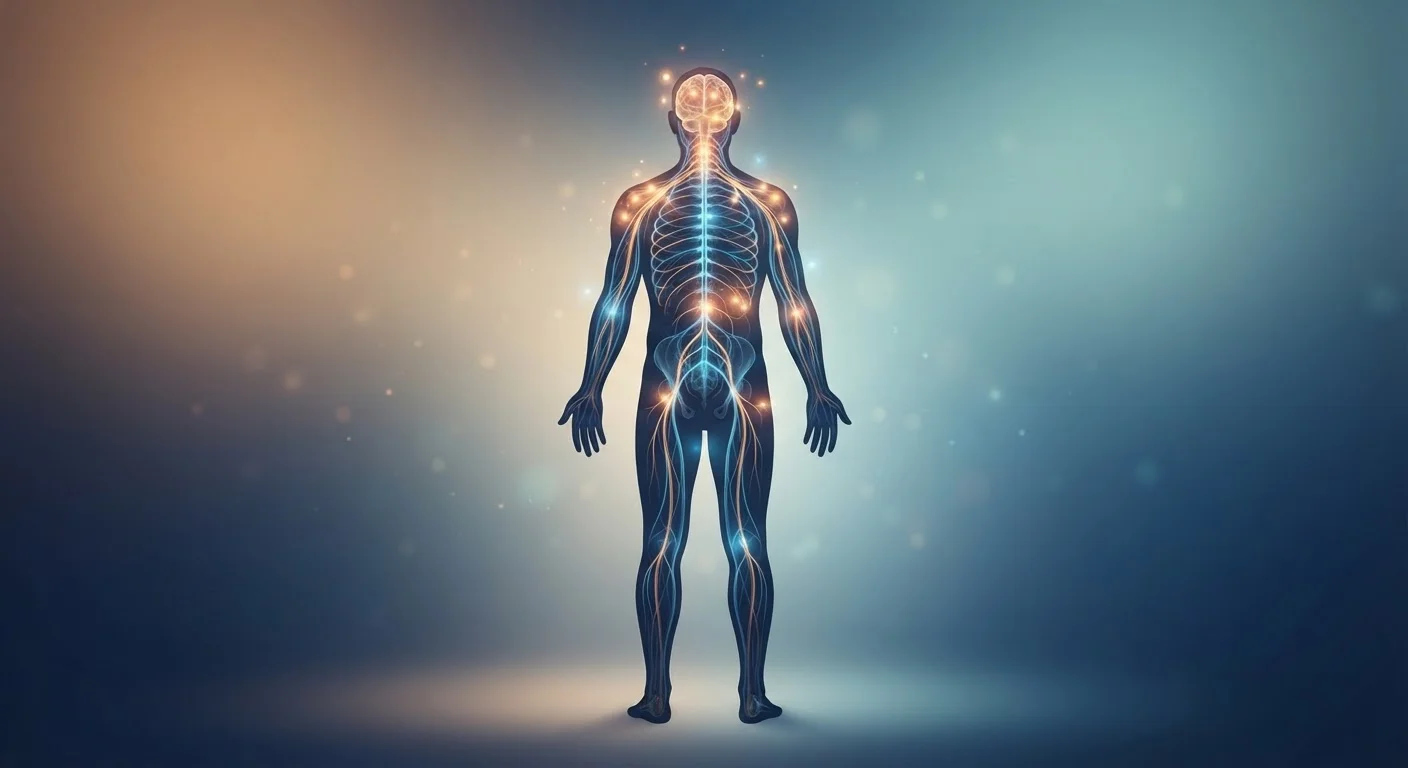
Photo: FeaturingHealth.net | Healthy Living Simplified editorial
Key Takeaways
- Acute stress is a normal, short-lived response that helps you handle immediate challenges.
- Chronic stress keeps your body in a prolonged state of hormonal and physiological activation.
- Cortisol is the primary stress hormone, and sustained high levels affect nearly every organ system.
- The cardiovascular, immune, digestive, and endocrine systems are all measurably affected by ongoing stress.
- Small, consistent habits — like diaphragmatic breathing and regular sleep — help regulate the stress response over time.
The Biology Behind the Stress Response
When your brain perceives a threat — whether it's a near-miss in traffic or a looming work deadline — it triggers a rapid biological alarm system. The hypothalamus signals the adrenal glands to flood the bloodstream with adrenaline and cortisol. Your heart rate accelerates, muscles tense, breathing shallows, and digestion slows. This is the classic fight-or-flight response, and it evolved to help humans survive immediate physical danger.
Under healthy conditions, this response switches off once the threat passes. The parasympathetic nervous system — sometimes called the "rest and digest" system — takes over, and the body returns to baseline. The problem arises when modern stressors (financial pressure, relationship conflict, workplace anxiety) keep that alarm system firing without a clear off switch.
Stress Is Normal — Chronic Activation Isn't
What Cortisol Does — and Why Chronic Levels Matter
Cortisol is the body's primary stress hormone, and it plays an important role in regulating inflammation, blood sugar, metabolism, and the sleep-wake cycle. In short bursts, it's genuinely useful. But when cortisol stays elevated over weeks or months, its effects shift from helpful to harmful.
Research has linked chronically high cortisol to disrupted sleep, increased appetite (particularly for calorie-dense foods), impaired memory consolidation, and a measurably suppressed immune response. The cardiovascular system is also affected — prolonged stress is associated with elevated blood pressure and increased arterial inflammation.
To understand how this connects to longer-term disease risk, see our exploration of stress and chronic inflammation. It's also worth noting that cortisol interacts with reproductive hormones — something explored in depth for women's hormonal health and men's hormonal health separately.
77%
Adults reporting physical stress symptoms
According to the American Psychological Association's Stress in America survey, a large majority of US adults experience physical symptoms they associate with stress.
2–3×
Increased cardiovascular risk with chronic stress
Research published in cardiology literature suggests that people with chronic high stress have a significantly elevated risk of cardiovascular events compared to low-stress peers.
40%
Reduction in immune response under chronic stress
Psychoneuroimmunology research has found that sustained psychological stress can suppress natural killer cell activity and antibody production by substantial margins.
Acute vs. Chronic Stress: A Critical Distinction
Not all stress is created equal. Acute stress is short-term and generally resolves without lasting physical harm — it may even sharpen your focus and help you meet a challenge. Chronic stress is the kind that persists over time without adequate recovery, and this is where physical health risks accumulate.
The difference matters because the interventions that help are different too. A single stressful day calls for recovery practices like rest and social connection. Months of ongoing pressure may call for more structured support, including working with a mental health professional. Our guide to understanding acute versus chronic stress goes deeper on how to tell the two apart and respond accordingly.
Practical Habits That Support Your Stress Response
The good news is that the same nervous system pathways that activate stress can be deliberately calmed. Several evidence-informed habits have been shown to help regulate the body's stress response over time:
- Diaphragmatic breathing: Slow, deep breathing activates the vagus nerve and stimulates the parasympathetic system. Even five minutes of focused breath work can measurably reduce cortisol and heart rate.
- Consistent sleep: Sleep is when the HPA axis resets. Chronic sleep deprivation perpetuates elevated cortisol — making rest one of the most powerful stress-management tools available.
- Regular moderate movement: Physical activity metabolizes stress hormones and promotes the release of mood-stabilizing neurotransmitters. It doesn't need to be intense to be effective.
- Social connection: Research consistently shows that meaningful social bonds buffer the physiological effects of stress, partly through the release of oxytocin.
Start Small With Stress Relief
This article is for general informational purposes only and is not a substitute for professional medical advice. If you're experiencing symptoms you believe are related to stress, please consult a qualified healthcare provider.
Frequently Asked Questions
The content on this site is for informational purposes only and is not a substitute for professional advice. Always consult a qualified professional for guidance specific to your situation.