
Why Mindfulness Habits Fade and How to Make Them Stick

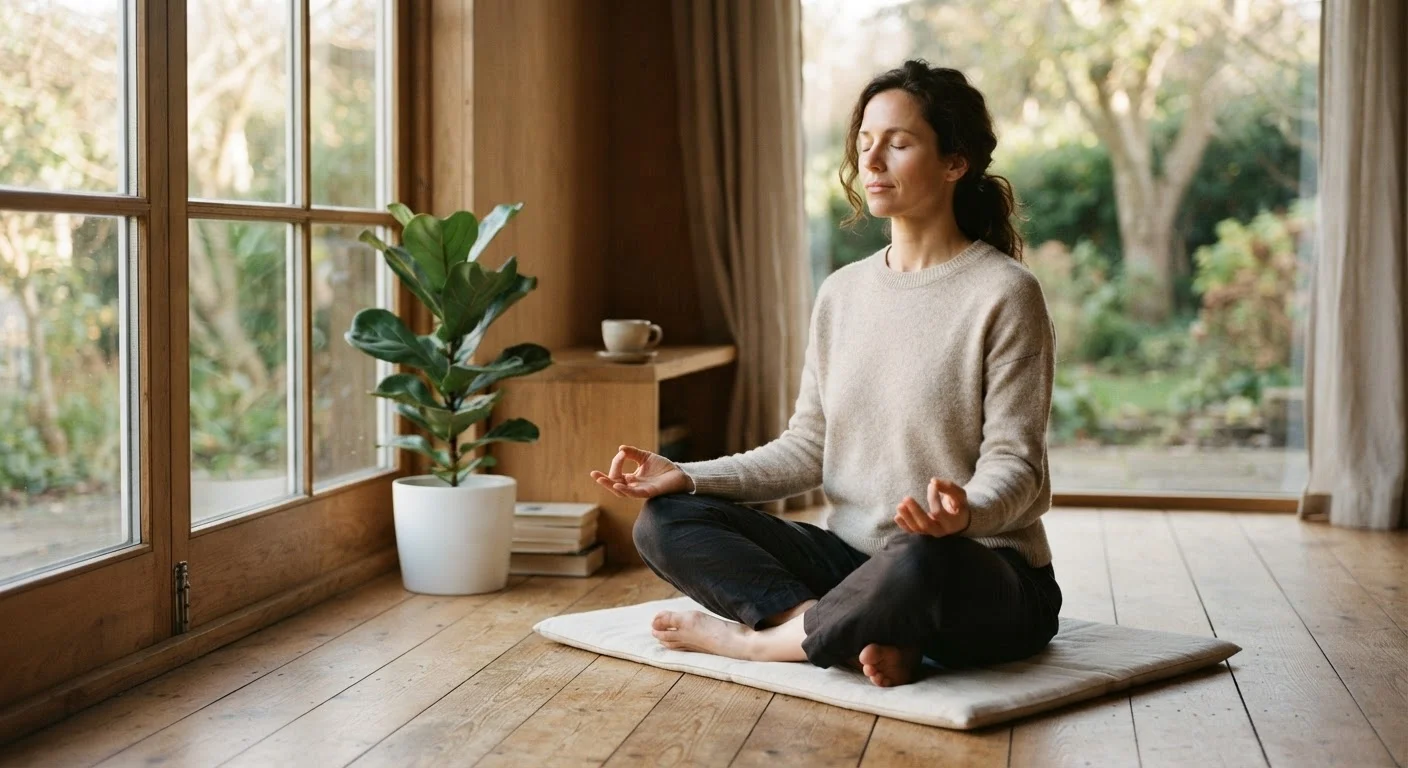
Photo: FeaturingHealth.net | Healthy Living Simplified editorial
Key Takeaways
- Mindfulness habits fade most often due to unrealistic expectations and poor routine anchoring, not lack of willpower.
- Starting with just two to five minutes daily is more sustainable than ambitious hour-long sessions.
- Skipping one session isn't failure — how you respond to a missed day determines whether the habit survives.
- Attaching mindfulness to an existing daily trigger dramatically improves consistency over time.
- Treating practice as a flexible tool rather than a rigid obligation reduces the all-or-nothing thinking that kills routines.
Why Good Intentions Aren't Enough
Starting a mindfulness practice is easy. Keeping one is where most people run into trouble — and that difficulty rarely comes down to motivation or discipline. More often, it reflects predictable structural mistakes that are entirely avoidable once you know what to look for.
The same patterns that cause new routines to fall apart after two weeks apply directly to mindfulness: an overly ambitious start, no clear trigger, and the first missed session interpreted as total failure. Understanding why your practice fades is the first step toward making it genuinely durable.
This Is General Information, Not Medical Advice
The Most Common Mistakes — and How to Fix Them
The following errors show up repeatedly among people who struggle to maintain a mindfulness habit. None of them signal a personal flaw. They are structural problems with structural solutions.
Starting with sessions that are too long or too ambitious.
Leaving practice unanchored to any existing routine.
Treating a missed session as evidence that the habit has failed.
Expecting rapid, dramatic results and quitting when they don't appear.
Practicing only when stressed rather than building a regular rhythm.
Perfectionism Can Sabotage Your Practice
For a broader look at what keeps daily routines alive beyond the motivation surge, the principles that make daily health routines durable over time are worth reviewing — concepts like anchoring and gradual layering apply directly here.
Building a Practice That Actually Lasts
Sustainable mindfulness looks different from what most people picture. It isn't a 30-minute silent retreat each morning — for most busy adults, it's two mindful breaths before a meeting, a brief body scan while waiting for coffee to brew, or a three-minute check-in at the end of lunch. What distinguishes people who maintain the habit long-term, according to research reviewed in sustaining a mindfulness practice, is flexibility paired with consistency — not perfection.
~50%
Adults who abandon new habits within weeks
Behavioral research consistently finds that roughly half of people who start a new health habit discontinue it within the first month, often citing unrealistic initial expectations.
66 days
Median time for a habit to become automatic
A study published in the European Journal of Social Psychology (Lally et al., 2010) found the average time to automaticity was 66 days, ranging widely by person and behavior.
The science of habit formation reinforces a key point: automaticity, not willpower, is what makes a behavior stick. When mindfulness is anchored to a reliable daily cue and kept small enough to do even on your hardest days, it gradually stops requiring conscious effort to begin. That is when it becomes a genuine part of your life — not just something you plan to do.
If you've dropped a mindfulness practice in the past, know that setbacks don't mean failure. They're a normal part of any behavior change process. The most important skill you can build alongside the practice itself is the ability to return, without judgment, one breath at a time.
This article is for informational purposes only and does not constitute medical or mental health advice. If you have concerns about your mental health, please speak with a qualified healthcare professional.
The content on this site is for informational purposes only and is not a substitute for professional advice. Always consult a qualified professional for guidance specific to your situation.