
A Practical Checklist for Designing a Habit That Actually Sticks

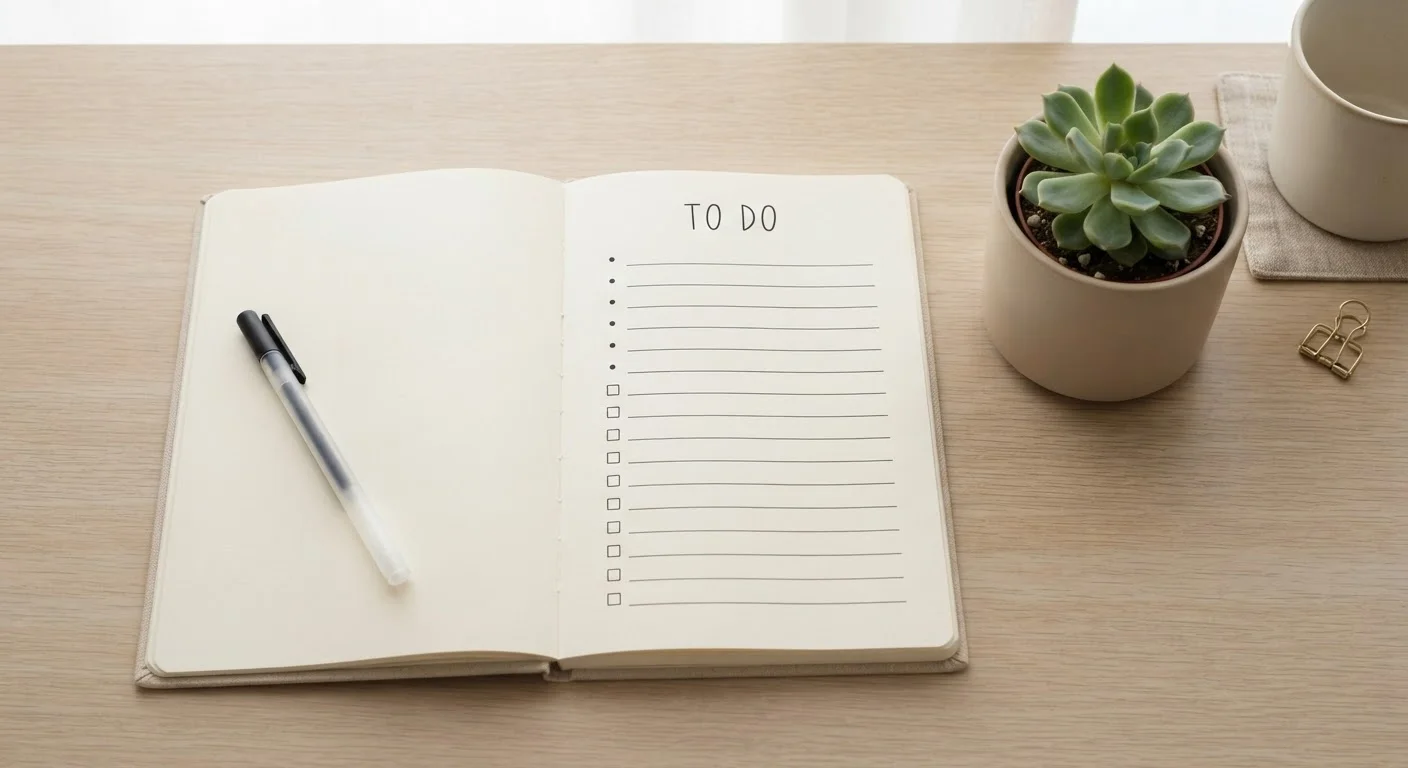
Photo: FeaturingHealth.net | Healthy Living Simplified editorial
Key Takeaways
- Habits form through a repeating loop of cue, routine, and reward — design each element intentionally.
- Starting with the smallest viable version of a behavior significantly improves follow-through.
- Environment design reduces reliance on willpower by making the desired behavior the easiest option.
- Identifying a meaningful personal reason for the habit strengthens long-term intrinsic motivation.
- Tracking progress and planning for missed days prevents a single slip from derailing the habit entirely.
Why Most Habits Fail Before They Begin
Most habit attempts collapse not from a lack of willpower, but from a lack of design. Research in behavioral science — including foundational work by BJ Fogg at Stanford's Behavior Design Lab — consistently shows that the conditions surrounding a behavior matter more than personal resolve. When you engineer the right context before you start, you dramatically reduce how much mental effort the habit requires day to day.
This checklist walks you through every critical design decision: what you want to do and why, how you'll trigger it, what your environment looks like, and how you'll keep going when momentum dips. Work through it once before launching any new routine. You can also revisit it if an existing habit keeps stalling.
For a deeper walkthrough of the underlying science, see our step-by-step habit-building guide. If you're dealing with a pattern you want to eliminate rather than build, the Breaking Bad Habits hub covers that ground.
Clarify Your Intention
Scale It Down
Design Your Cue
Shape Your Environment
Build In a Reward
Plan for Disruption
Tools You'll Need to Work Through This Checklist
You don't need special software to design a good habit — but a few simple tools help you think more clearly and hold yourself accountable.
Habit design worksheet or journal
Used to write out your implementation intention, cue, reward structure, and contingency plan in a single reference document.
Calendar or planner
Used to schedule the habit into your week and mark completion, making the streak visible.
Habit-tracking app
Provides a daily prompt and visual progress record to reinforce consistency during the early formation period.
Accountability partner
A trusted person who checks in on your progress, which research associates with higher consistency rates.
Once your habit is designed, your physical space plays an outsized role in whether it runs automatically. Our article on environment design for healthy habits explains exactly how to reshape your surroundings to make good choices the default. And if you want to layer this new habit onto something you already do reliably, habit stacking is one of the most effective techniques available.
Don't Overload Yourself at the Start
This article is for general informational and educational purposes only and is not a substitute for professional medical, psychological, or behavioral health advice. If you have concerns about your mental or physical health, please consult a qualified healthcare provider.
The content on this site is for informational purposes only and is not a substitute for professional advice. Always consult a qualified professional for guidance specific to your situation.