
Why Painful Periods Are Not Always 'Normal'

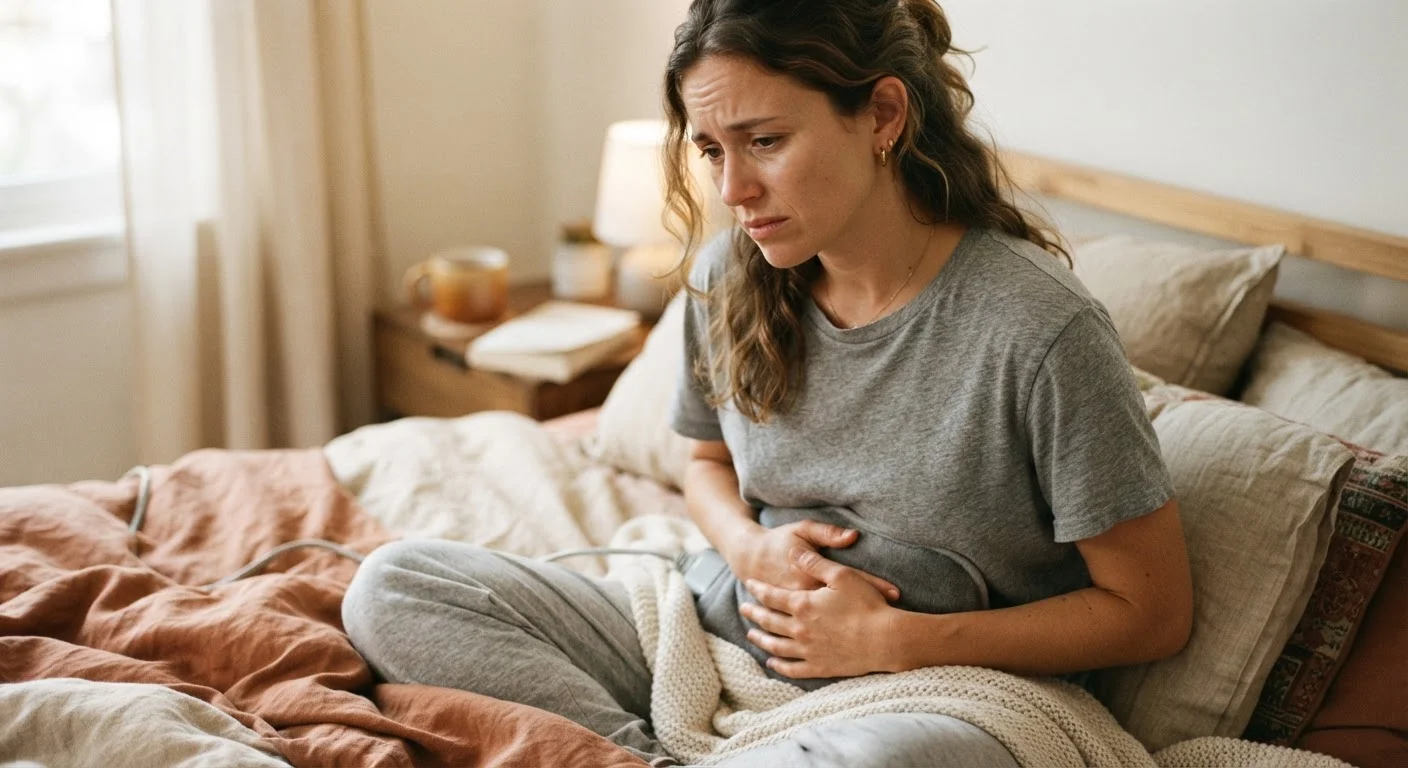
Photo: FeaturingHealth.net | Healthy Living Simplified editorial
Key Takeaways
- Mild menstrual cramping is common, but debilitating pain that disrupts daily life is not something to simply endure.
- Conditions like endometriosis, adenomyosis, and fibroids frequently cause severe period pain and are often underdiagnosed.
- Tracking pain patterns and communicating clearly with a healthcare provider can lead to faster, more accurate diagnosis.
- Normalizing severe period pain — by yourself or others — can delay treatment for treatable underlying conditions.
The Difference Between Common and Normal
Menstrual cramping — medically termed dysmenorrhea — is one of the most frequently reported gynecological symptoms. But common and normal are not the same thing. Mild, short-lived discomfort in the first day or two of a period, caused by prostaglandins triggering uterine contractions, falls within the range that clinicians describe as primary dysmenorrhea. Pain that is severe, progressive, or tied to an underlying condition is classified as secondary dysmenorrhea — and it warrants investigation.
Conditions including endometriosis, adenomyosis, uterine fibroids, and pelvic inflammatory disease can all produce intense menstrual and pelvic pain. Because these conditions are frequently underdiagnosed — partly due to the cultural tendency to dismiss period pain — many people spend years managing symptoms without knowing a treatable cause exists. Understanding what menstrual irregularities can signal is an important part of the broader picture of reproductive wellbeing.
1 in 10
Women affected by endometriosis
According to the World Health Organization, approximately 10% of reproductive-age women and girls globally are affected by endometriosis, a leading cause of severe period pain.
7–10 years
Average endometriosis diagnosis delay
Research published in peer-reviewed gynecology journals consistently documents an average delay of seven to ten years between symptom onset and endometriosis diagnosis, often because pain is normalized.
Up to 90%
Of people with endometriosis report dysmenorrhea
Dysmenorrhea — painful menstruation — is among the most commonly reported symptoms in individuals later diagnosed with endometriosis, per clinical literature.
Common Mistakes That Delay Diagnosis
Many people with significant period pain experience years of unnecessary suffering because of avoidable missteps — some rooted in personal assumptions, others in gaps within the clinical encounter itself. Recognizing these patterns is the first step toward changing them.
Assuming severe period pain is simply 'part of being a woman' and not worth reporting to a doctor.
Relying on over-the-counter pain relief as a long-term solution without investigating the underlying cause.
Dismissing pain that doesn't follow a textbook pattern — such as pain outside of bleeding days or pain during sex.
Accepting a 'wait and see' response without asking for a structured follow-up or further testing.
Not tracking menstrual pain in enough detail to give a healthcare provider useful diagnostic information.
Pain Tolerance Is Not a Diagnostic Tool
Taking Your Symptoms Seriously
Advocating for your reproductive health begins with accurate, detailed self-observation. Pain that disrupts sleep, prevents normal activity, or requires you to miss work or school is clinically meaningful, regardless of how you have been conditioned to interpret it. Document your experience systematically, communicate it clearly, and do not accept normalization as an answer when your quality of life is affected.
When to Seek Immediate Medical Care
If a current provider consistently dismisses your concerns without investigation, seeking a second opinion — particularly from a gynecologist who specializes in pelvic pain or endometriosis — is a well-established and entirely appropriate course of action. You deserve care that takes your symptoms seriously.
This article is for general informational and educational purposes only and does not constitute medical advice. Always consult a qualified healthcare professional for evaluation of personal symptoms or health concerns.
The content on this site is for informational purposes only and is not a substitute for professional advice. Always consult a qualified professional for guidance specific to your situation.