
Vaccines & Immunity

Travelling Abroad: Thinking Through Vaccination Before You Go

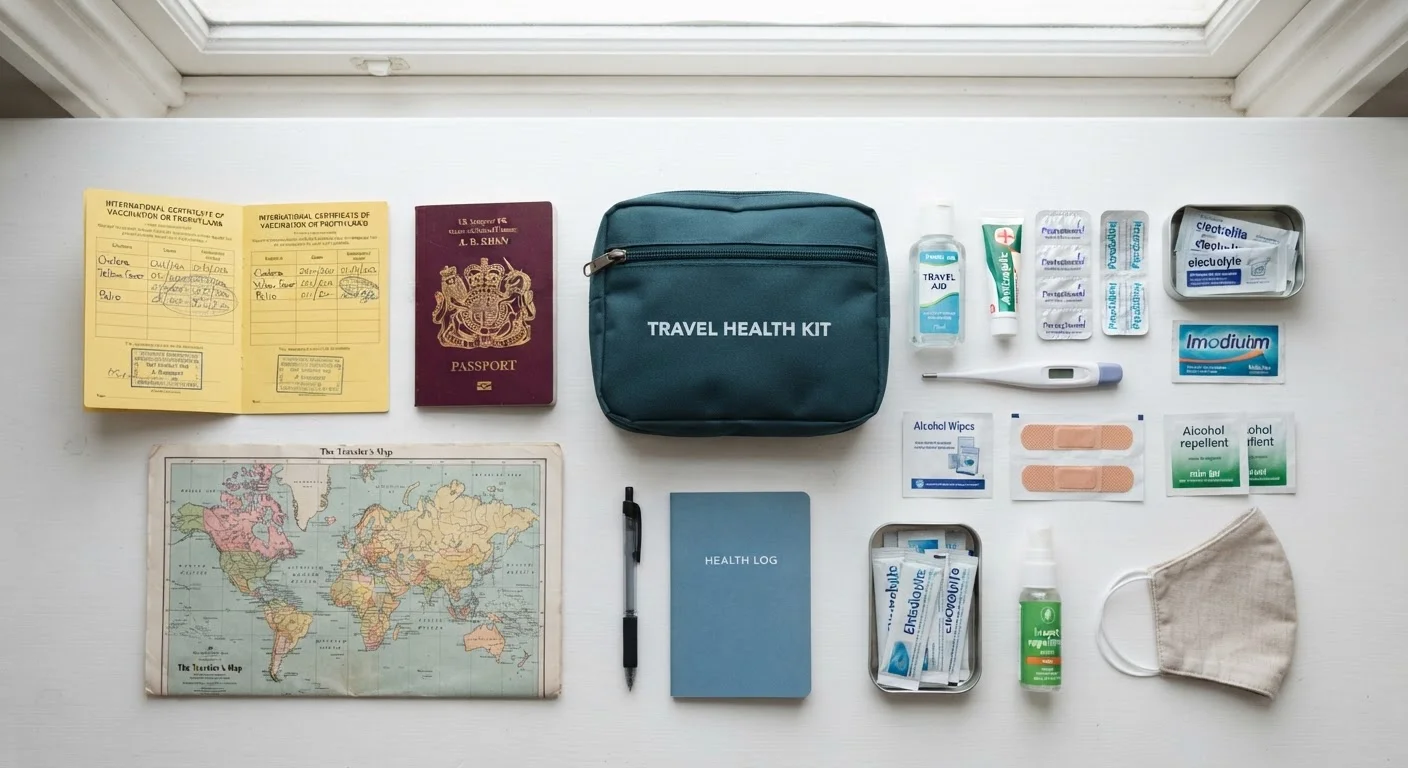
Travelling Abroad: Thinking Through Vaccination Before You Go

Photo: FeaturingHealth.net | Healthy Living Simplified editorial

Key questions and preparations to work through with a healthcare provider before international travel, including destination-specific vaccines.

Key Takeaways

  • Begin travel health planning at least 4–6 weeks before departure — some vaccine series require multiple doses.
  • Destination, activities, and personal health history all shape which vaccines a traveler may need.
  • Routine vaccines should be up to date before adding any destination-specific immunizations.
  • A travel medicine specialist or provider familiar with international health can give the most relevant guidance.
  • Pregnant travelers, immunocompromised individuals, and young children require tailored professional consultation.

Why Pre-Travel Vaccination Planning Matters

International travel exposes people to infectious diseases that circulate at different rates — or have been largely eliminated — compared to the United States. Yellow fever, typhoid, Japanese encephalitis, and meningococcal disease are just a few examples of illnesses for which vaccines exist but are not part of the standard US childhood or adult immunization schedule. Deciding which vaccines are appropriate requires weighing your destination, planned activities, length of stay, and underlying health status — not a one-size-fits-all list.

Timing compounds the complexity. Some immunizations, like the hepatitis A and hepatitis B series, require multiple doses spaced weeks apart to achieve full protection. Others, such as the live attenuated typhoid oral vaccine, need to be completed several days before departure. Beginning this process well in advance — ideally 4–6 weeks before travel, and earlier for complex itineraries — gives your immune system time to respond and leaves room to address any concerns. Before you think about destination-specific vaccines, make sure your routine immunizations are current. Start there by reviewing your personal records — our guide to getting your vaccination records in order walks through how to locate and consolidate that history.

Start Earlier Than You Think

Some destination-specific vaccine series, such as the three-dose rabies pre-exposure prophylaxis or the hepatitis B series, require weeks to complete and cannot be rushed without compromising protection. A last-minute appointment the week before departure may not leave enough time for all recommended vaccines. Book your travel health consultation as early as possible — ideally 6–8 weeks out for complex itineraries.

Tools You'll Need for This Checklist

Working through these items is most effective when you have the right resources at hand before your appointment and as you plan.

Required

CDC Traveler's Health Website (wwwnc.cdc.gov/travel)

Provides destination-specific vaccine recommendations, disease outbreak notices, and travel health notices updated by CDC.

Required

Personal Immunization Records

Enables your provider to identify gaps in routine and travel-specific vaccinations without duplicating doses unnecessarily.

Required

Travel Medicine Clinic or Provider

Delivers a personalized risk assessment and administers vaccines not typically available at a primary care office, such as yellow fever.

Required

International Certificate of Vaccination or Prophylaxis (ICVP)

Official document required for entry into certain countries as proof of yellow fever vaccination.

Required

Complete Itinerary (including transit stops)

Helps your provider assess risk accurately — even brief transit stops in high-risk regions can affect vaccine recommendations.

Your Pre-Travel Vaccination Checklist

Use the checklist below to audit your preparedness across four areas: foundational steps, destination risk, personal health factors, and practical logistics. Bring this list to your healthcare provider or a travel medicine clinic to guide your conversation.

Foundational Preparation

Locate your personal immunization records and bring a copy to your travel health appointment. Must
Schedule a travel medicine consultation at least 4–6 weeks before your departure date. Must
Identify all countries and regions on your itinerary, including transit stops longer than 12 hours. Must
Confirm that all routine vaccines — including influenza, Tdap, MMR, varicella, and COVID-19 — are current. Must

Destination-Specific Risk Assessment

Check the CDC Traveler's Health destination pages for disease alerts and vaccine recommendations specific to each country on your itinerary. Must
Ask your provider whether yellow fever vaccination is required for entry or medically recommended based on the areas you will visit. Must
Discuss typhoid vaccination if your travel involves regions where food and water safety may be limited. Should
Ask about hepatitis A vaccination if not previously vaccinated, as it is recommended for most international travelers. Must
Discuss Japanese encephalitis vaccine if you plan extended rural stays in parts of Asia and the western Pacific. Should
Ask about rabies pre-exposure prophylaxis if your trip involves remote areas, animal handling, or extended stays away from medical care. Should
Consider meningococcal vaccination if traveling to sub-Saharan Africa's meningitis belt, particularly during dry season. Should

Personal Health Factors

Disclose your complete medical history, including chronic conditions, immunosuppressive therapy, and any prior allergic reactions to vaccines. Must
Confirm whether any live-attenuated vaccines (e.g., yellow fever, oral typhoid) are contraindicated given your immune status. Must
If you are pregnant or may become pregnant during travel, seek specialized guidance — consult our overview of vaccination considerations in pregnancy and discuss all options directly with your provider. Must
For travelers over 60, discuss pneumococcal and shingles vaccination status in addition to destination-specific needs. Should

Logistics and Documentation

Obtain an International Certificate of Vaccination or Prophylaxis (ICVP, also called the "yellow card") if yellow fever vaccine is administered — some countries require it at the border. Must
Request a written record of all vaccines administered at your travel health visit and add it to your consolidated immunization file. Must
Ask your provider about timing: confirm the correct interval between doses and the minimum days before departure for each vaccine. Must
Review whether travel health insurance covering medical evacuation is appropriate for your destination and length of stay. Nice to have

Live Vaccines and Immunosuppression

Certain travel vaccines — including yellow fever and the oral typhoid vaccine — are live-attenuated, meaning they contain a weakened form of the pathogen. These are generally contraindicated in people who are immunocompromised due to illness or medication. Do not assume a vaccine is safe based on general recommendations alone; always disclose your full health history and any medications to your provider before receiving any travel vaccine.

This article is for general informational and educational purposes only. It is not a substitute for personalized medical advice. Always consult a qualified healthcare provider before making decisions about vaccines or travel health, especially if you are pregnant, immunocompromised, have chronic conditions, or are traveling with young children.

Preventive Health Editorial Team

FeaturingHealth.net | Healthy Living Simplified

Preventive Health Editorial Team is the collective byline for our editorial team and contributor network. Articles published under this byline or an editorial pen name are researched, written, and reviewed according to our editorial standards for clarity, consistency, and independence before publication.

Health ScreeningsPreventive HabitsVaccines & Immunity
View author profile

The content on this site is for informational purposes only and is not a substitute for professional advice. Always consult a qualified professional for guidance specific to your situation.