
Common Post-Vaccination Reactions and What They Indicate

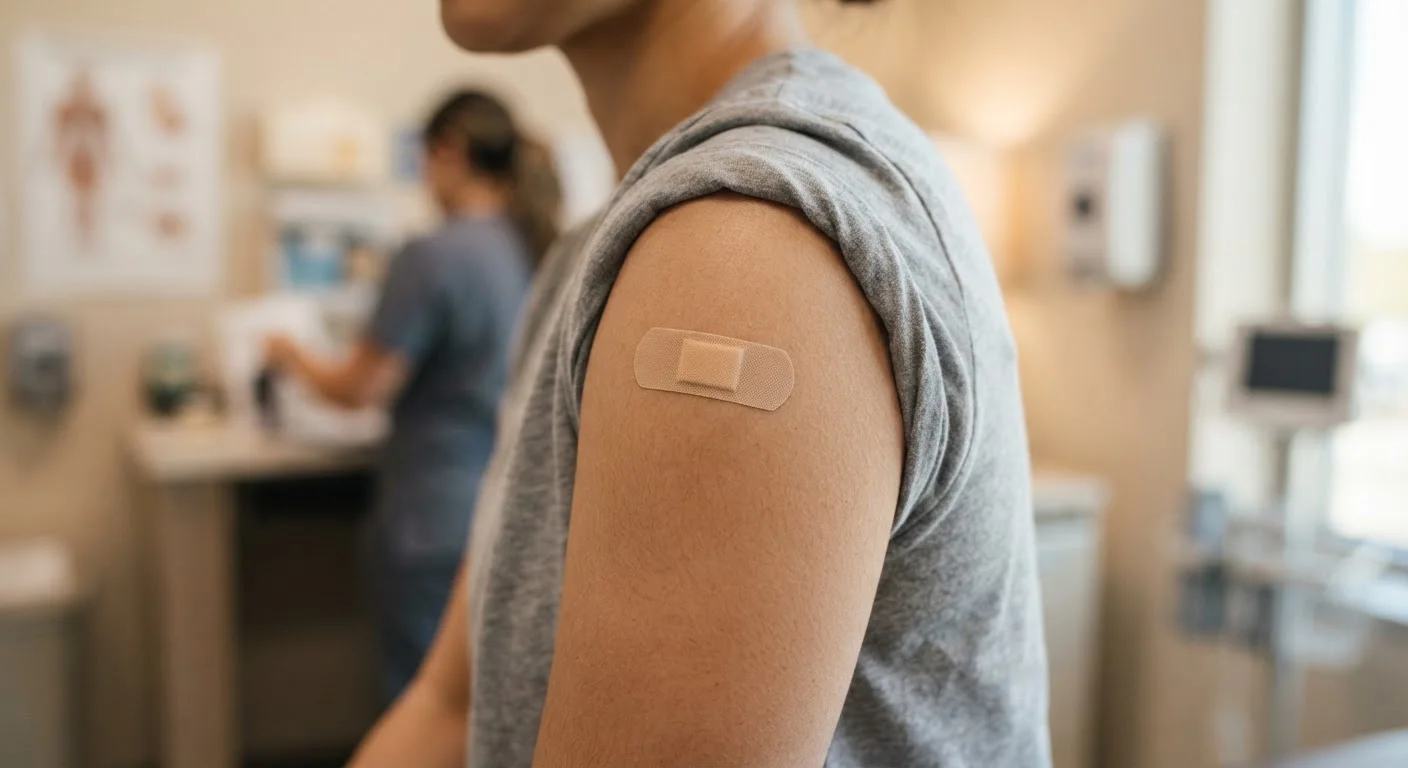
Photo: FeaturingHealth.net | Healthy Living Simplified editorial
Why Reactions Happen After Vaccination
Post-vaccination reactions are not signs that something has gone wrong. They are evidence that your immune system is doing exactly what a vaccine is designed to prompt it to do — mount a defense, recognize a threat, and build a memory response. When immune cells encounter vaccine antigens, they release chemical signals called cytokines that trigger localized inflammation and systemic effects like fatigue or low-grade fever. Understanding this biology helps distinguish a normal immune response from a rare adverse event that requires medical attention.
| Onset of local reactions | Within hours of injection (CDC Vaccine Safety Overview) |
| Typical duration of symptoms | 1–3 days (CDC Vaccine Safety Overview) |
| Anaphylaxis frequency (all vaccines) | Approximately 1–2 per million doses (CDC ACIP data) |
| Minimum post-vaccination observation period | 15 minutes (30 min for high-risk individuals) (CDC vaccination guidelines) |
| Adverse event reporting system | VAERS (vaers.hhs.gov) (CDC and FDA joint program) |
This article provides general health information and is not a substitute for personalized medical advice. Always consult a qualified healthcare provider with questions about your vaccinations or health history.
Common Local and Systemic Reactions
Most people experience at least one of the following after vaccination. These reactions are generally mild, self-limiting, and resolve within one to three days.
Cytokines
Small proteins released by immune cells that act as chemical messengers, coordinating the body's inflammatory and immune response. They are responsible for many of the systemic symptoms felt after vaccination.
Antigen
A substance — such as a protein fragment of a pathogen — that the immune system recognizes as foreign and responds to. Vaccines introduce antigens to train the immune system without causing disease.
Anaphylaxis
A severe, rapid-onset allergic reaction that can affect multiple body systems simultaneously. In the context of vaccination, it is rare but requires immediate emergency treatment.
SIRVA
Shoulder Injury Related to Vaccine Administration — a condition caused when a vaccine is injected too high on the arm, depositing antigen into the shoulder bursa rather than the muscle, leading to prolonged pain or limited mobility.
VAERS
The Vaccine Adverse Event Reporting System, a U.S. national surveillance program co-managed by the CDC and FDA that collects reports of adverse events following vaccination to detect safety signals.
Local Reactions (at the injection site)
- Pain or tenderness: The most frequently reported reaction; caused by the needle puncture and the immune cells flooding the tissue to process the vaccine antigen.
- Redness and swelling: A localized inflammatory response. Applying a cool, clean cloth can ease discomfort.
- Itching or warmth: Additional signs of local inflammation, typically brief.
Systemic Reactions (whole-body effects)
- Fatigue: Cytokine activity diverts energy resources toward immune activation, causing tiredness.
- Low-grade fever (below 101°F / 38.3°C): The body raises its core temperature to create a less hospitable environment for pathogens; this is a normal physiological response.
- Headache and muscle aches: Circulating cytokines can cause generalized discomfort beyond the injection site.
- Chills: Often accompany fever onset and typically resolve within 24 hours.
The CDC notes that systemic reactions are more common after the second dose of two-dose series and after mRNA-based vaccines, reflecting a more robust secondary immune response in previously primed individuals.
Signs That Warrant Prompt Medical Attention
While the reactions above are expected, a small number of people experience responses that fall outside the normal range. Contact your healthcare provider or seek emergency care if you notice any of the following after vaccination:
When to Call Emergency Services
- High fever above 103°F (39.4°C) or fever persisting beyond 48 hours
- Difficulty breathing, wheezing, or throat tightness — possible signs of anaphylaxis, a rare but serious allergic reaction that typically occurs within 15 to 30 minutes of injection
- Rapid heartbeat, dizziness, or fainting
- Severe rash or widespread hives
- Extreme arm pain, weakness, or limited range of motion persisting beyond a few days — this may indicate SIRVA (Shoulder Injury Related to Vaccine Administration), caused by incorrect injection technique
- Injection-site redness or swelling that worsens after 24 hours rather than improving
Vaccination providers are required to observe patients for at least 15 minutes post-injection for this reason, and 30 minutes for those with a history of severe allergic reactions.
Adverse events can be reported to the Vaccine Adverse Event Reporting System (VAERS), a national surveillance program co-managed by the CDC and FDA that monitors vaccine safety signals across the U.S. population.
Managing Mild Reactions at Home
For common, mild reactions, several general comfort measures are broadly recommended by public health authorities. None of these constitute personalized medical advice — discuss your specific situation with your provider, particularly if you have underlying conditions or take regular medications.
- Apply a clean, cool, damp cloth to the injection site to reduce local swelling and discomfort.
- Move and lightly use the arm to help disperse the vaccine antigen and reduce stiffness.
- Stay well-hydrated and rest as needed if systemic symptoms occur.
- Over-the-counter pain relievers may be discussed with your provider for post-vaccination discomfort — however, taking them prophylactically before vaccination is not currently recommended by the CDC, as this may blunt the immune response.
Symptoms that are worsening at 48 hours rather than improving, or any reaction that concerns you, should prompt a call to your provider rather than self-management.
This article is for informational purposes only and is not medical advice. Speak with your healthcare provider before making any decisions about your vaccination schedule or management of post-vaccination symptoms.
The content on this site is for informational purposes only and is not a substitute for professional advice. Always consult a qualified professional for guidance specific to your situation.