
Stress-Reduction Approaches: A Look at the Evidence

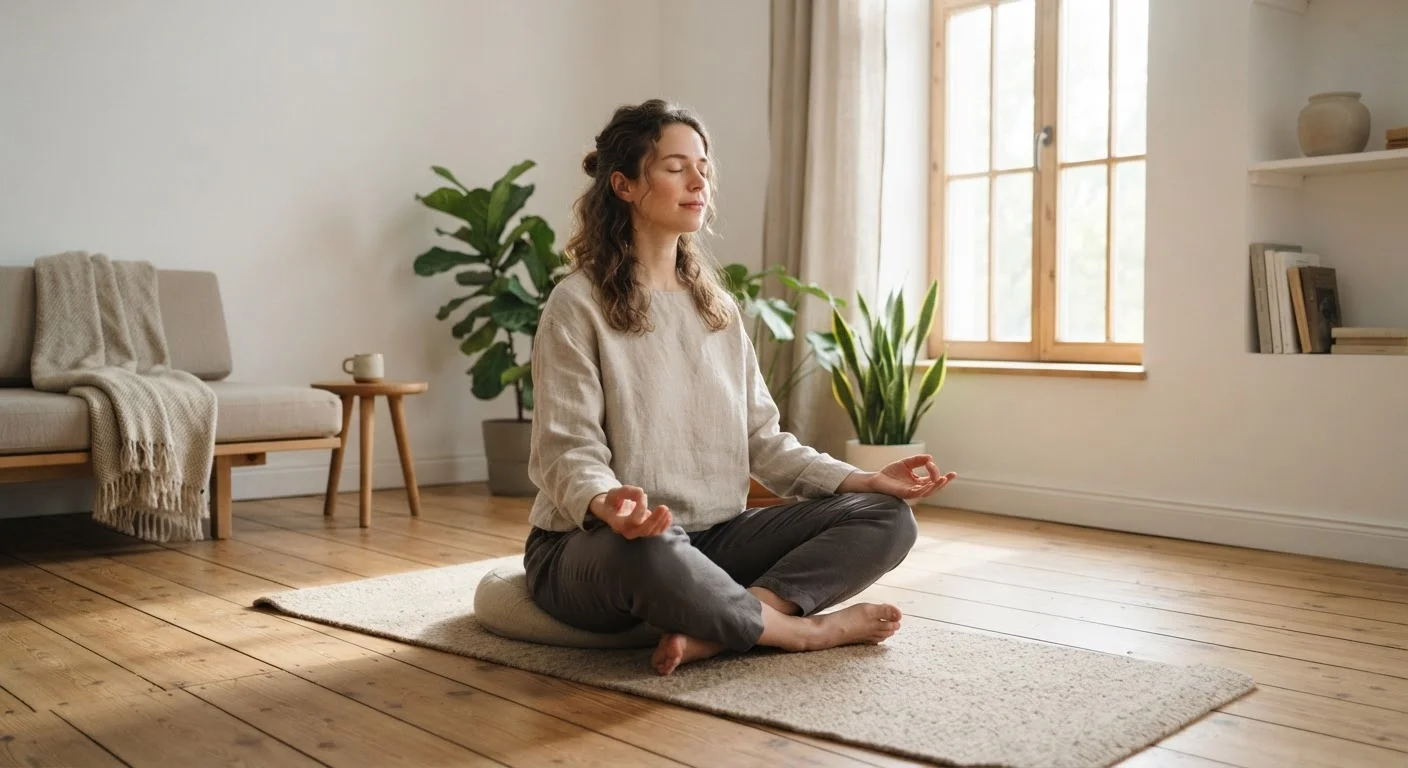
Photo: FeaturingHealth.net | Healthy Living Simplified editorial
Key Takeaways
- Multiple evidence-based approaches exist for managing daily stress, each with different mechanisms and strengths.
- Techniques like deep breathing, progressive muscle relaxation, and mindfulness have meaningful research support.
- No single method works for everyone; finding a good personal fit matters as much as the technique itself.
- Consistent practice tends to produce stronger results than occasional use of any stress-reduction method.
- For persistent or severe stress symptoms, consulting a qualified mental health professional is always advisable.
Why the Evidence Matters
Stress-reduction advice is everywhere — on social media, in wellness apps, and across countless articles. The challenge is knowing which approaches are grounded in solid research versus which are simply popular. Before trying anything new, it helps to understand what the science actually says, and what it doesn't. For a solid grounding in how the stress response works in the first place, see our complete stress reference.
The techniques below each have a meaningful body of research behind them. That said, effect sizes vary across studies, individual responses differ, and no method is a guaranteed fix. Think of this as a starting menu — not a prescription — for building a more resilient daily routine. And if you're curious about the broader philosophy behind managing stress well, our piece on working with stress rather than against it offers useful context.
Diaphragmatic (Deep) Breathing
Slow, controlled breathing is one of the most studied stress-reduction tools available. Research indicates it can activate the parasympathetic nervous system — sometimes called the "rest and digest" system — helping to lower heart rate and reduce the subjective experience of stress. Techniques such as box breathing (inhaling, holding, exhaling, and pausing for equal counts) and paced breathing have been examined in clinical and non-clinical populations with generally positive results.
The evidence base is strong enough that deep breathing is incorporated into several structured therapeutic programs. For a deeper look at the physiology behind it, see our article on the science behind deep breathing and calm.
Controlled breathing can activate the body's rest-and-digest system in minutes.
Progressive Muscle Relaxation (PMR)
Developed by physician Edmund Jacobson in the early 20th century, Progressive Muscle Relaxation involves systematically tensing and then releasing different muscle groups throughout the body. The technique aims to help people recognize and reduce physical tension that often accompanies psychological stress. Meta-analyses have found PMR to be associated with reductions in anxiety and stress across a range of populations. It typically takes 15–20 minutes and can be learned through guided recordings or instruction from a mental health professional.
PMR teaches the body to recognize and release physical tension tied to stress.
Mindfulness-Based Practices
Mindfulness — paying deliberate, non-judgmental attention to the present moment — has attracted substantial research interest. Structured programs such as Mindfulness-Based Stress Reduction (MBSR) have demonstrated meaningful reductions in perceived stress and anxiety in multiple controlled studies. Everyday mindfulness practices, from brief body scans to mindful walking, can also offer benefit with lower time investment. Explore a range of approachable starting points in our mindfulness habits hub.
It's worth noting that mindfulness research quality varies; many studies have limitations such as small sample sizes or lack of active control groups. Still, the overall direction of evidence is encouraging for general stress management.
Structured mindfulness programs have demonstrated meaningful stress reductions in multiple controlled studies.
Physical Movement and Exercise
Regular aerobic exercise is among the most consistently supported behavioral strategies for managing stress. Research suggests exercise may help regulate stress hormones such as cortisol and promote the release of endorphins. Even moderate-intensity activity — such as a brisk daily walk — has been linked to improved mood and reduced anxiety in observational and experimental studies. The relationship between exercise and mental wellness is well-established enough that major health organizations include physical activity in their mental health guidance.
It's important not to treat exercise as a rigid prescription. The best movement is movement you'll actually do consistently, in whatever form suits your body and circumstances.
Regular moderate exercise is one of the most consistently supported strategies for reducing stress.
Expressive Writing and Journaling
Pioneered by psychologist James Pennebaker, expressive writing involves writing openly about stressful thoughts and feelings for short, timed sessions. Research on this technique shows mixed but generally positive results for psychological well-being, particularly when the writing involves processing emotions rather than simply recounting events. Some studies have found effects on mood, while others show more modest results — suggesting it may work better for some people and stress types than others.
Journaling carries minimal risk and requires no equipment, making it a low-barrier option worth exploring. If writing about distressing events feels overwhelming, it may be worth doing so with professional support.
Expressive writing about stressful events can support emotional processing and improve mood.
Social Connection and Support-Seeking
A substantial body of research links strong social ties to lower stress reactivity and better overall health outcomes. Talking through a stressor with a trusted friend or family member — what researchers call "social support" — can reduce the perceived magnitude of the stress and buffer some of its physiological effects. This effect holds across different life stages and appears relevant even when the supporter cannot solve the underlying problem.
Social connection is not always easy to access, and quality matters more than quantity. For those who feel isolated, low-stakes community involvement or peer support groups can serve as meaningful starting points.
Strong social ties consistently buffer stress reactivity and support emotional resilience.
Putting It Into Practice
Start With One Technique at a Time
One of the most consistent findings across stress research is that regularity matters more than perfection. A five-minute breathing exercise practiced daily tends to be more effective than a lengthy session done once a month. Start small, stay consistent, and adjust as you learn what resonates with you personally.
It's also worth remembering that stress coping isn't one-size-fits-all. Our article on problem-focused vs. emotion-focused coping can help you match your approach to the type of stress you're facing. If stress is significantly affecting your sleep, relationships, or daily functioning, please reach out to a qualified mental health or healthcare professional — general wellness strategies have limits, and personalized support can make a real difference.
This article is for general informational and educational purposes only and does not constitute medical or mental health advice. Always consult a qualified healthcare professional for concerns about your health or well-being.
The content on this site is for informational purposes only and is not a substitute for professional advice. Always consult a qualified professional for guidance specific to your situation.