
Starting From Scratch With Sleep: A Grounded Introduction to Rest as Self-Care

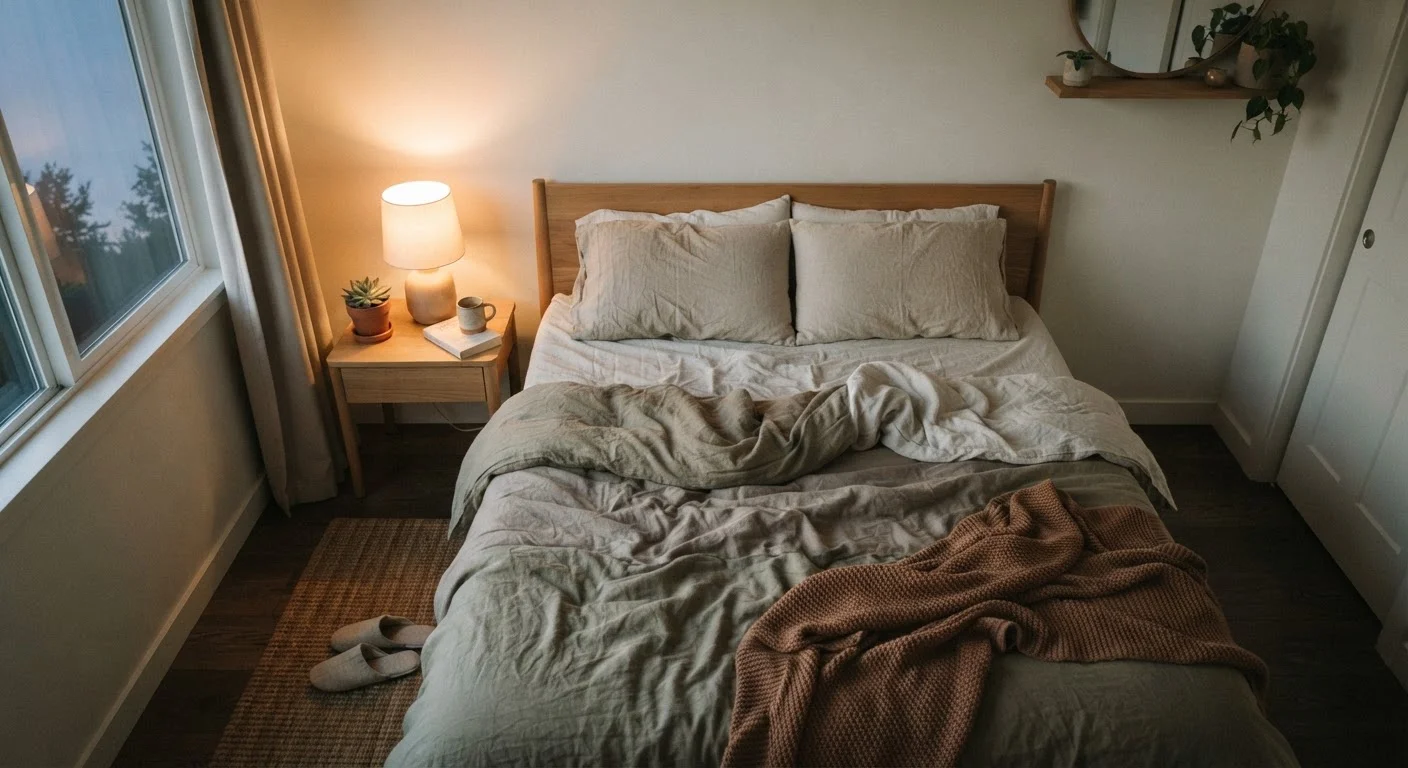
Photo: FeaturingHealth.net | Healthy Living Simplified editorial
Key Takeaways
- Sleep is a biological necessity that directly shapes mood, cognition, and physical health.
- Most adults need 7–9 hours of sleep per night, though individual needs vary.
- Common barriers like irregular schedules and screen use can be addressed with small, consistent changes.
- Building a wind-down routine is one of the most effective first steps for better rest.
- If sleep problems persist, speaking with a healthcare provider is always the right move.
Why Sleep Is a Self-Care Pillar, Not a Luxury
Many adults treat sleep as whatever's left over after the day's obligations are finished — something to be earned, trimmed, or postponed. That relationship with rest is worth reconsidering. Sleep is not a passive reward for productivity; it is an active biological process your body and brain depend on to function well.
This matters for mental wellness in particular. Research consistently shows that sleep quality is one of the strongest predictors of daily mood, emotional regulation, and stress resilience. When you're chronically under-rested, everything feels harder — not because you're weak, but because your brain is literally working at a deficit. Starting to treat sleep as a foundational form of self-care is one of the most meaningful shifts you can make. If you're also exploring other building blocks of wellbeing, our preventive health starter guide offers a broader look at sustainable health habits.
Circadian rhythm
Your body's internal 24-hour clock that regulates when you feel sleepy and when you feel alert. It's influenced by light, temperature, and daily habits.
Sleep hygiene
The collection of habits and environmental conditions — like consistent bedtimes and a dark, cool room — that support regular, quality sleep.
REM sleep
A stage of sleep associated with dreaming, emotional processing, and memory consolidation. It typically occurs in longer stretches during the second half of the night.
Melatonin
A hormone produced by the brain in response to darkness that signals it's time to sleep. Light exposure — especially from screens — can delay its release.
Sleep architecture
The pattern and structure of sleep stages across a full night. Disruptions to this pattern — from noise, stress, or shortened sleep — can affect how restorative rest feels.
What Happens to Your Mind and Body During Sleep
Sleep is far from a simple off switch. Your brain cycles through distinct stages — including light sleep, deep sleep, and REM sleep — roughly every 90 minutes throughout the night. Each stage serves a specific purpose.
- Deep sleep is when the body does its most intensive physical repair: tissues regenerate, the immune system is supported, and stress hormones like cortisol are reduced.
- REM sleep is essential for memory consolidation, emotional processing, and creative thinking. It's also when most vivid dreaming occurs.
Cutting sleep short — even by an hour or two — can reduce the amount of REM sleep you get, since REM-heavy cycles tend to occur in the second half of the night. Over time, disrupted sleep architecture can contribute to mood instability, difficulty concentrating, and increased sensitivity to stress. Understanding this can be motivating: you're not just going to bed earlier for the sake of it, you're giving your brain the conditions it needs to process the day and prepare for tomorrow.
Sleep Needs Vary by Person
Common Obstacles That Keep People From Resting Well
Knowing sleep matters is rarely the problem. Getting it is another story. Here are the most common barriers adults face — and why they're so persistent:
- Irregular sleep schedules
- Your body runs on a circadian rhythm — an internal clock that regulates sleepiness and alertness across roughly a 24-hour cycle. Inconsistent bedtimes and wake times confuse this system, making it harder to fall asleep when you want to.
- Evening screen use
- The blue light emitted by phones and screens can suppress melatonin production, the hormone that signals it's time to sleep. But beyond light, the cognitive stimulation and emotional engagement of scrolling can keep your nervous system activated well past when you intended to wind down.
- Stress and rumination
- Unprocessed anxiety doesn't disappear at bedtime — it often becomes louder. Racing thoughts are a physiological response to stress, not a personal failing. Practices like journaling, breathwork, or mindfulness as a daily practice can help interrupt this cycle.
- Caffeine and inconsistent eating patterns
- Caffeine's half-life means a mid-afternoon coffee can still affect alertness well into the evening for many people. Similarly, large or heavy meals close to bedtime can interfere with comfort and sleep quality.
Don't Dismiss Persistent Sleep Problems
Simple Starting Points for Better Sleep
If you're starting from scratch, the goal isn't a perfect sleep routine overnight. It's picking one or two anchors and building from there. Behavior change research supports starting small — consistency matters far more than comprehensiveness. See our guide to daily routines from scratch for how this principle applies more broadly.
- Set a consistent wake time. This is the most evidence-supported anchor for regulating your circadian rhythm. Even on weekends, rising at roughly the same time helps your body know when to expect alertness — and when to feel sleepy.
- Create a 20-minute wind-down window. Before bed, shift toward quieter, lower-stimulation activities: dim the lights, set your phone aside, and do something that signals rest — reading, gentle stretching, or slow breathing. This transition period cues your nervous system to begin the shift toward sleep.
- Make your sleep environment work for you. A cooler, darker, quieter room generally supports better sleep. Small adjustments — like using an eye mask or a fan for white noise — can make a meaningful difference.
If patterns feel deeply stuck, or if you're working to change habits that have been ingrained for years, our introduction to changing unhealthy patterns covers the behavioral science behind sustainable change. And remember: if sleep difficulties persist or significantly affect your daily life, please speak with a qualified healthcare provider — they can help identify whether an underlying condition needs attention.
Start With Just One Change
This article is for general informational purposes only and is not a substitute for professional medical advice, diagnosis, or treatment. Always consult a qualified healthcare provider with questions about your health or sleep concerns.
Frequently Asked Questions
The content on this site is for informational purposes only and is not a substitute for professional advice. Always consult a qualified professional for guidance specific to your situation.