
Mindfulness Myths That May Be Holding You Back

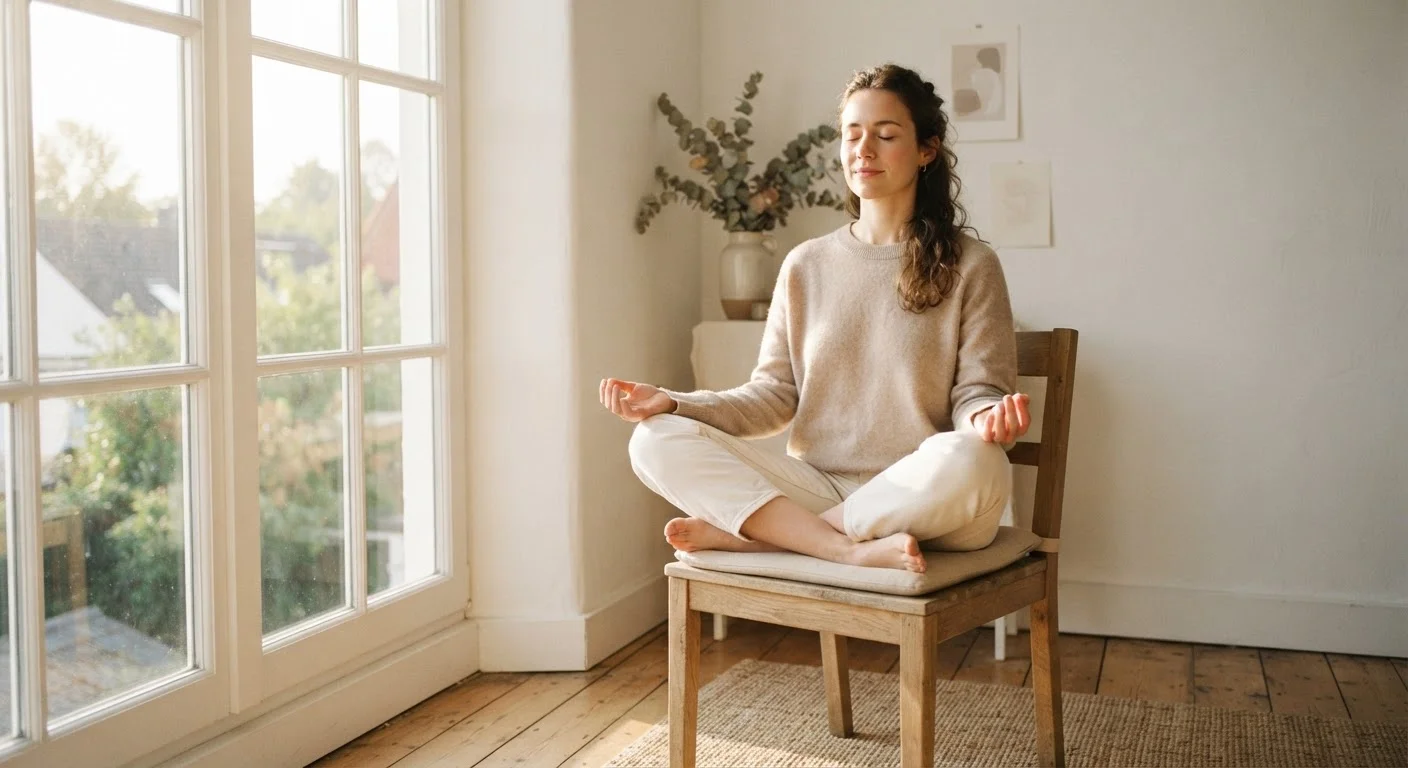
Photo: FeaturingHealth.net | Healthy Living Simplified editorial
Key Takeaways
- Mindfulness does not require clearing your mind of all thoughts.
- Even five minutes of daily practice can produce measurable psychological benefits.
- Mindfulness is a trainable skill, not a personality trait you either have or don't.
- Discomfort and distraction during practice are normal — not signs of failure.
- Mindfulness is secular at its core and accessible regardless of spiritual background.
Why These Myths Matter
Mindfulness has become one of the most talked-about tools for managing stress and improving well-being — yet widespread misconceptions keep many people from ever giving it a real try. If you've started and stopped, or never started at all, a persistent myth may be the quiet barrier in your way.
These aren't trivial misunderstandings. Believing that mindfulness requires a cleared mind, hours of daily practice, or a spiritual orientation can turn a genuinely accessible skill into something that feels reserved for a different kind of person. The evidence tells a different story — and it's more encouraging than the myths suggest. For a grounding look at what the practice actually involves, learn what mindfulness actually means.
Myth
You have to clear your mind completely for mindfulness to work.
Fact
Mindfulness is about noticing thoughts, not eliminating them. The practice is in the returning, not the emptying.
This is arguably the most common reason people give up after a first attempt. They sit down, a thought appears, and they conclude they're doing it wrong. In reality, the appearance of thoughts is expected and entirely normal. Mindfulness, as described in foundational psychological research including work on Mindfulness-Based Stress Reduction (MBSR), involves observing mental activity without judgment — not suppressing it. Each time you notice your mind has wandered and gently redirect attention, you're practicing successfully, not failing.
Myth
You need at least 30–60 minutes a day for mindfulness to be effective.
Fact
Research supports meaningful benefits from sessions as short as five to ten minutes, particularly when practiced consistently.
Longer sessions are not inherently superior, especially for beginners. Studies examining brief mindfulness interventions have found improvements in attention, stress reactivity, and emotional regulation with relatively short daily practice windows. Consistency matters more than duration. Five focused minutes each day is likely to yield more than an occasional 45-minute session squeezed in once a week. Starting small also makes the habit easier to maintain — which is where lasting benefit actually comes from.
Myth
Mindfulness is a religious or spiritual practice that doesn't fit a secular lifestyle.
Fact
While mindfulness has roots in contemplative traditions, the evidence-based clinical form practiced today is entirely secular.
Programs like MBSR, developed at the University of Massachusetts Medical School, and Mindfulness-Based Cognitive Therapy (MBCT) were deliberately designed as secular, clinically validated approaches. They have been studied in hospital settings, workplaces, schools, and research institutions with no spiritual component required. Anyone, regardless of belief system or background, can engage with mindfulness as a psychological skill for managing attention and reducing stress.
Myth
If you're naturally anxious or 'bad at relaxing,' mindfulness won't work for you.
Fact
Mindfulness is a trainable skill, and people who experience anxiety often benefit from it most — though it requires patient, supported practice.
The idea that mindfulness suits calm, naturally meditative personalities is a myth that leaves out a large portion of the people most likely to benefit. Research has shown mindfulness-based interventions to be particularly relevant for individuals dealing with anxiety and rumination. That said, for some people with trauma histories or certain anxiety disorders, some mindfulness techniques can initially feel uncomfortable. This doesn't mean mindfulness is wrong for them — it may simply mean working with a trained therapist or counselor who can guide the approach appropriately.
[warning_callout]Myth
Mindfulness is just a trendy word for relaxation.
Fact
Mindfulness and relaxation are related but distinct. You can be mindful during discomfort, and relaxation can occur without mindfulness.
Relaxation is often a byproduct of mindfulness practice, but it is not the goal or the mechanism. Mindfulness trains metacognitive awareness — the ability to observe your own mental and emotional states without automatically reacting to them. This distinction matters because it explains why mindfulness can be helpful even during stressful or uncomfortable experiences. The skill is in the noticing, not in achieving a particular feeling.
Making Mindfulness Work for Real Life
Once the myths fall away, the path forward becomes much simpler. Mindfulness research consistently supports short, repeated practice over long, occasional sessions. A few intentional minutes in the morning, a mindful pause before a difficult conversation, or a deliberate breath during a commute — these small anchors accumulate in meaningful ways over time.
Discomfort During Practice Is Normal
If you've struggled to build consistent habits in general, it may help to understand how habit formation actually works — many of the same misconceptions apply. Common habit-formation myths are worth examining alongside mindfulness myths, since the two areas overlap considerably. And if stress is a primary driver for exploring mindfulness, you may also find value in reviewing what the evidence says about stress management.
For a fuller roadmap — from starting out to navigating setbacks — a complete overview of mindfulness as a daily practice covers the full picture. And when you're ready to think about long-term consistency, principles for sustaining a mindfulness practice offers research-grounded guidance on what actually works.
This article is for informational purposes only and is not a substitute for professional mental health advice. If you are experiencing significant psychological distress, please consult a qualified healthcare or mental health professional.
The content on this site is for informational purposes only and is not a substitute for professional advice. Always consult a qualified professional for guidance specific to your situation.