
Formal vs. Informal Mindfulness Practice: Understanding the Difference

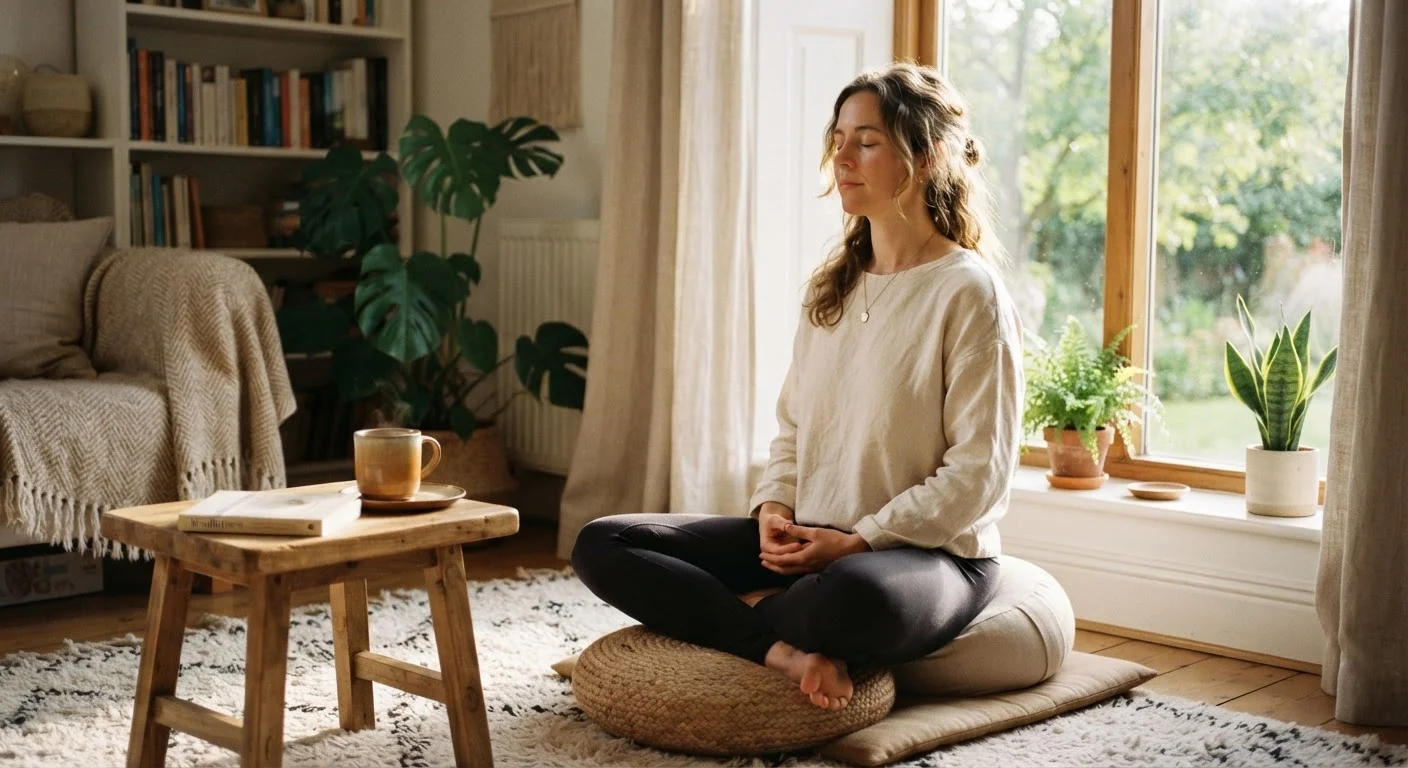
Photo: FeaturingHealth.net | Healthy Living Simplified editorial
Key Takeaways
- Formal practice involves scheduled, intentional sessions such as seated meditation or body scans.
- Informal practice means bringing deliberate attention to routine activities like eating or walking.
- Both forms reinforce each other — formal builds the skill, informal applies it throughout the day.
- Neither approach requires special equipment, expertise, or large time commitments to begin.
- Research suggests combining both types supports greater emotional regulation and stress resilience.
What Separates Formal From Informal Practice?
Mindfulness is often described as paying deliberate, non-judgmental attention to the present moment — but how you cultivate that attention varies considerably. The two main modes are formal practice and informal practice, and understanding the difference can change how approachable mindfulness feels, especially for adults managing packed schedules.
Formal practice means setting aside a defined period specifically to practice mindfulness. You stop other activities, adopt a posture — seated, lying down, or standing — and direct your attention using a structured anchor such as the breath, body sensations, or sounds. Seated meditation, body scans, and loving-kindness meditation are classic examples. The defining feature is intentionality: this time exists solely for the practice.
Informal practice, by contrast, happens inside ordinary life. You bring mindful attention to something you were already going to do — washing dishes, brushing teeth, waiting for coffee to brew, or taking a short walk. The activity doesn't change; your quality of attention does. For a broader look at how these practices fit together, see our complete overview of mindfulness as a daily practice.
| Criterion | Formal Practice | Informal Practice |
|---|---|---|
| Time required | Dedicated block (5–45 min) | No extra time needed |
| Setting | Quiet, designated space | Any everyday environment |
| Anchor used | Breath, body, sounds | The activity itself |
| Primary function | Builds and deepens the skill | Applies skill throughout the day |
| Ease of entry | Requires scheduling habit | Fits existing routines immediately |
| Common examples | Seated meditation, body scan | Mindful eating, mindful walking |
Why Both Forms Actually Matter
It's tempting to treat informal practice as a workaround for people who can't commit to formal sessions — but researchers and teachers tend to frame them as genuinely complementary rather than interchangeable.
Formal practice functions like deliberate skill training. During a seated session, you repeatedly notice when attention has wandered and return it to your anchor. That repetition, researchers suggest, gradually strengthens metacognitive awareness — the ability to observe your own mental states — which is central to the stress-reduction and emotional-regulation benefits often associated with mindfulness-based programs. Sitting meditation and movement-based mindfulness each train this capacity in slightly different ways, but both rely on that deliberate, repeated return of attention.
Informal practice then gives those trained skills somewhere to live across the day. Without real-world application, the calm cultivated in a ten-minute morning session can feel disconnected from the stress of an afternoon meeting. Bringing that same quality of attention to a mundane task — noticing the temperature of water while washing hands, or the physical sensations of each bite at lunch — bridges that gap. For more on how this connects to eating specifically, see mindful eating versus intuitive eating.
8 weeks
Duration of foundational MBSR programs
Mindfulness-Based Stress Reduction (MBSR), developed at UMass Medical School, combines formal and informal practice across an eight-week structured curriculum.
~45 min/day
Formal practice in clinical MBSR research
Original MBSR trials assigned roughly 45 minutes of daily formal practice; subsequent research has explored shorter durations with meaningful outcomes.
2–3x
More daily mindful moments via informal practice
Experience sampling studies suggest practitioners using informal cues report mindful awareness occurring significantly more often throughout the day than formal-only practitioners.
Practical Guidance for Blending Both
The most durable mindfulness habits tend to involve both formal and informal elements, sized to what your life realistically allows. A few practical principles worth considering:
- Start small with formal practice. Even five minutes of focused breath awareness each morning establishes a consistent anchor. You don't need a silent retreat or a perfect cushion.
- Choose one informal trigger daily. Pick a single recurring activity — your morning commute, a lunch break, or folding laundry — and commit to bringing full attention to it for its duration.
- Treat interruptions as data, not failure. When your mind wanders — during formal or informal practice — the noticing itself is the practice. Returning without self-criticism is the skill being trained.
- Let each form reinforce the other. Formal sessions deepen your capacity to notice; informal moments give that capacity immediate, practical use.
For those wondering how to maintain these habits through setbacks and busy seasons, sustaining a mindfulness practice over time explores the consistent principles behind long-term practice. As always, if you're navigating significant stress, anxiety, or mental health concerns, a qualified healthcare provider or mental health professional can offer guidance tailored to your situation.
A Note on Special Populations
This article is for general informational purposes only and is not a substitute for professional medical or mental health advice. Please consult a qualified professional for personal guidance.
The content on this site is for informational purposes only and is not a substitute for professional advice. Always consult a qualified professional for guidance specific to your situation.