
Breathing Exercises Explained: Which Techniques Suit Different Moments

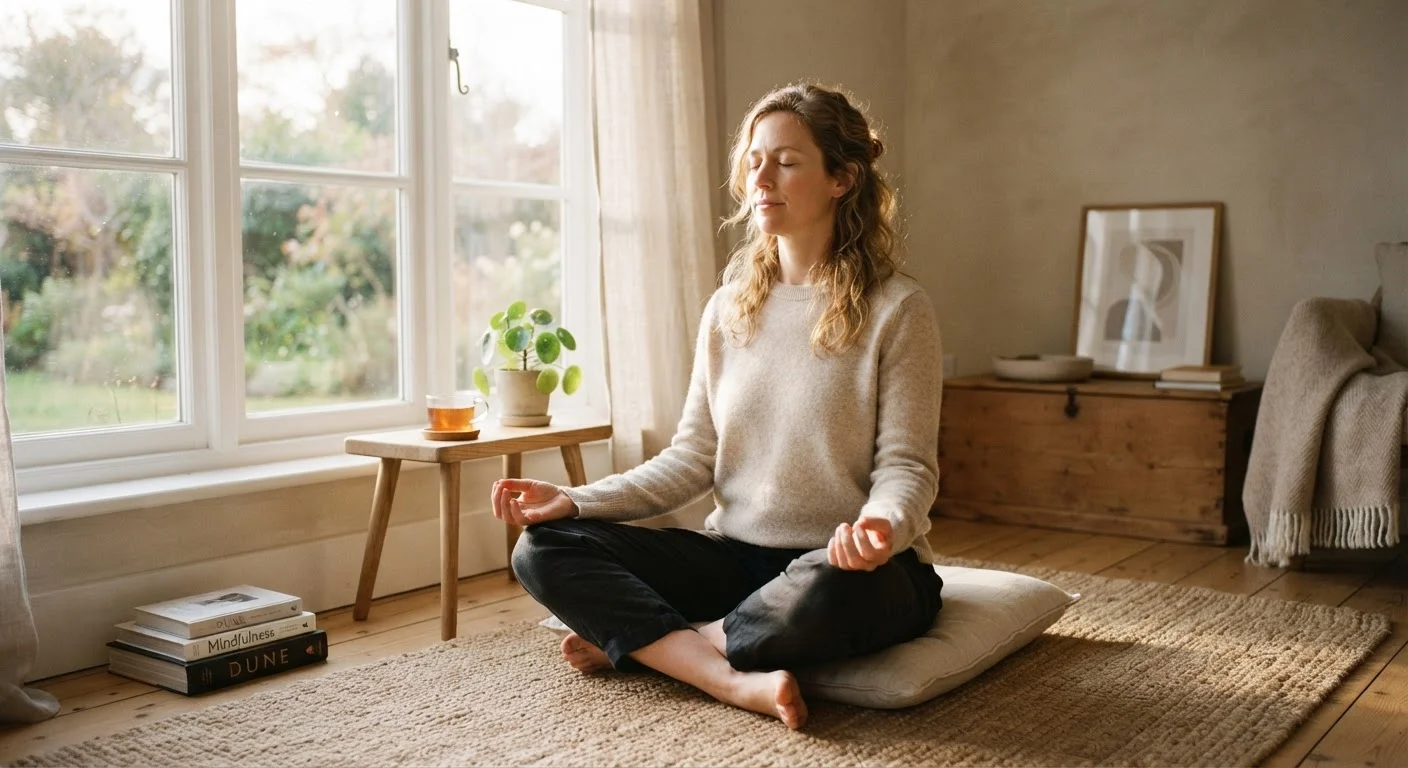
Photo: FeaturingHealth.net | Healthy Living Simplified editorial
Key Takeaways
- Different breathing techniques serve different purposes — calm, focus, or sleep preparation.
- Box breathing and 4-7-8 are structured methods useful for acute stress or winding down.
- Diaphragmatic breathing is a foundational skill that supports overall nervous system regulation.
- Most techniques can be practiced in under five minutes with no equipment needed.
- Consult a healthcare professional if you experience dizziness, anxiety, or breathing difficulties.
Why the Way You Breathe Actually Matters
Breathing is the one autonomic function you can consciously control — and that makes it a surprisingly powerful lever for influencing your mental state. When stress triggers rapid, shallow chest breathing, the body's sympathetic nervous system (the "fight-or-flight" response) stays activated. Deliberate breathing patterns can encourage the opposing parasympathetic response, signaling safety and calm.
Research in psychophysiology suggests that slow, controlled breathing affects heart rate variability — a marker of how flexibly the heart responds to changing demands — and may reduce subjective feelings of anxiety. That said, breathwork is a supportive tool, not a treatment for clinical conditions. If you experience persistent anxiety, breathing difficulties, or other symptoms, please speak with a qualified healthcare professional.
Start With Just One Technique
Four Techniques Compared
The following approaches are among the most widely studied and taught in clinical and mindfulness settings. Each has a slightly different rhythm, physiological emphasis, and ideal context.
| Box Breathing | 4-7-8 Breathing | Diaphragmatic Breathing | Physiological Sigh | |
|---|---|---|---|---|
| Pattern | 4-4-4-4 counts | 4-7-8 counts | Slow belly-focused breath | Double inhale + long exhale |
| Primary goal | Focus and stress regulation | Relaxation and sleep prep | Everyday nervous system support | Rapid arousal reduction |
| Time required | 2–5 minutes | 2–4 cycles | Ongoing habit | Under 10 seconds |
| Best moment to use | Before high-pressure tasks | Pre-sleep routine | Any time of day | Acute stress spike |
| Learning curve | Low — easy to count | Moderate — long hold | Low — natural motion | Very low — one breath |
| Evidence base | Widely studied | Emerging research | Strong foundational research | Early but promising studies |
Use this overview as a starting point rather than a rigid prescription. Individual responses to breathwork vary, and what feels soothing to one person may feel frustrating to another.
When to Reach for Each Technique
Box Breathing — For Focus and Pressure
Box breathing (equal counts of inhale, hold, exhale, hold — often four seconds each) was popularized in high-performance environments. The symmetrical structure gives the mind a concrete task, which can interrupt anxious thought spirals. It's well-suited to moments before a difficult conversation, a presentation, or any situation demanding clear-headed attention.
4-7-8 Breathing — For Winding Down
Developed within integrative medicine circles and drawing on pranayama traditions, the 4-7-8 pattern (inhale for four counts, hold for seven, exhale for eight) emphasizes a long, slow exhale. Extended exhalations are associated with greater parasympathetic activation, making this technique popular for pre-sleep routines. Begin with just two to four cycles if you feel lightheaded.
Diaphragmatic Breathing — The Everyday Foundation
Often called "belly breathing," diaphragmatic breathing encourages full use of the diaphragm rather than shallow chest expansion. It's less a timed exercise and more a retraining of habitual breathing mechanics. Many stress researchers consider it the foundational skill underlying most other breathwork, making it a sensible daily practice.
Physiological Sigh — For Fast Relief
A double inhale through the nose followed by a long exhale through the mouth — mimicking a natural reflex the lungs use to re-inflate collapsed air sacs — has been studied at Stanford as a rapid method for reducing physiological arousal. Its brevity (a single cycle takes under ten seconds) makes it accessible in almost any setting.
Building a Routine That Actually Sticks
Consistency matters more than perfection. Even two to three minutes of intentional breathing practiced daily can help reinforce the habit and, over time, make it easier to access these techniques when stress strikes unexpectedly.
- Anchor it to an existing habit — try a few cycles with your morning coffee or before checking email.
- Keep sessions short at first — one to three minutes prevents frustration and builds confidence.
- Notice, don't judge — if your mind wanders, gently return attention to the breath without self-criticism.
- Track how you feel before and after — even a brief mental note helps reinforce the habit loop.
This article is for informational purposes only and does not constitute medical advice. Always consult a qualified healthcare professional for personal health concerns, symptoms, or before beginning any new wellness practice — especially if you have a respiratory, cardiovascular, or mental health condition.
The content on this site is for informational purposes only and is not a substitute for professional advice. Always consult a qualified professional for guidance specific to your situation.