
Mindfulness Habits

A Daily Mindfulness Check-In You Can Do in Under Five Minutes

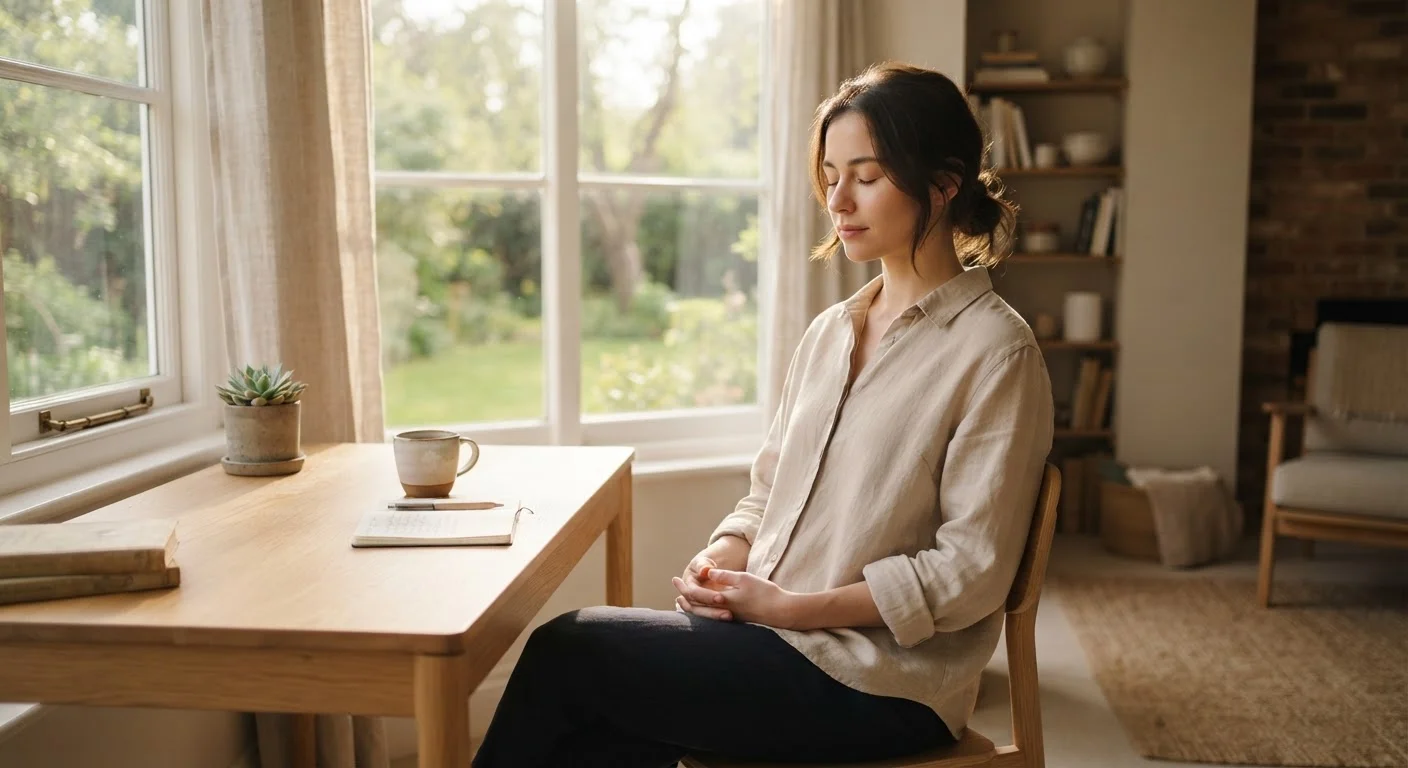
A Daily Mindfulness Check-In You Can Do in Under Five Minutes

Photo: FeaturingHealth.net | Healthy Living Simplified editorial

A simple, repeatable check-in covering breath, body, thoughts, and emotion — designed to fit into any point of the day.

Key Takeaways

  • A structured five-minute check-in covers breath, body, thoughts, and emotion in one pass.
  • Consistency matters more than duration — even a three-minute version builds a meaningful habit.
  • You don't need a quiet room or special equipment to complete this check-in.
  • The check-in works at any point in the day, not just in the morning.
  • Noticing what is present — without judgment — is the core skill being practiced.

Why a Short Check-In Works

Mindfulness research consistently shows that brief, repeated moments of intentional awareness are more effective for most people than infrequent longer sessions. A structured check-in gives your nervous system a reliable cue to downshift — even in the middle of a packed day. If you've ever wanted to build a consistent practice but struggled to carve out time, this format is a practical starting point.

This check-in is organized into four areas: breath, body, thoughts, and emotion. Working through all four takes roughly three to five minutes. You can do it at your desk, on a park bench, or in a parked car. No app, timer, or cushion required — though any of those are welcome additions if they help you settle.

For a broader foundation, see our complete mindfulness overview, which explains the science and skills underlying daily practice. If you're newer to mindfulness altogether, starting a mindfulness habit when you have almost no time offers a gentle introduction to building consistency around a full schedule.

When to Skip the Check-In

This practice is designed for general wellbeing support, not crisis intervention. If you are in acute distress, experiencing a mental health emergency, or having thoughts of harming yourself, please contact a crisis line or emergency services rather than attempting a self-guided practice. The check-in is a maintenance tool for everyday awareness, not a substitute for professional care.

Your Five-Minute Daily Check-In Checklist

Work through the four groups below in order. If time is genuinely tight, the must items alone take under three minutes. Read each prompt slowly — don't rush to the next step until you've genuinely noticed something.

Breath

Take three deliberate breaths, allowing each exhale to be slightly longer than the inhale. Must
Notice whether your breathing feels shallow, tight, or relatively easy — without trying to change it yet. Must
If your breath feels constricted, allow your belly to soften and let the next inhale expand naturally. Should

Body

Scan slowly from the top of your head down to your feet, pausing wherever you notice tension or discomfort. Must
Gently release any obvious tension in your jaw, shoulders, or hands by consciously softening those areas. Must
Notice your posture — adjust so your spine is upright but not rigid, and your feet feel grounded. Should
Check in with physical hunger, thirst, or fatigue, and make a mental note of any needs to address after the check-in. Nice to have

Thoughts

Observe what is occupying your mind right now — name one or two themes without analyzing them. Must
Notice whether those thoughts are focused on the past, the future, or the present moment. Must
If your mind feels very busy, silently label each thought type as it arises (e.g., 'planning,' 'worrying,' 'remembering') to create a little distance. Should
Gently redirect attention back to your breath whenever you notice you've become absorbed in a thought. Should

Emotion

Identify the primary emotion present right now — just one word is enough (e.g., 'anxious,' 'content,' 'flat'). Must
Acknowledge the emotion without judging it as good or bad — notice where you feel it in your body. Must
Ask yourself whether this emotion is pointing to an unmet need, and if so, what a small, realistic response might look like. Should
Set a brief intention for the next hour that aligns with how you want to feel rather than just what you need to do. Nice to have

Once you've completed the check-in, take one slow breath before returning to whatever you were doing. That small transition signals to your brain that the practice is complete, not merely interrupted.

To extend this habit into your workday, weaving mindfulness into a workday without disrupting it offers practical ways to stay grounded between tasks. You can also combine this check-in with the broader framework in a practical daily checklist for keeping stress in check.

Don't Use the Check-In to Suppress Difficult Feelings

The goal of this practice is awareness, not emotional management through avoidance. If a strong emotion surfaces during your check-in — grief, anger, or intense anxiety — it's appropriate to simply acknowledge it and return to your breath rather than trying to resolve it in the moment. If difficult emotions feel overwhelming or persistent, speaking with a licensed mental health professional is the right next step.

This article is for informational purposes only and is not a substitute for professional medical or mental health advice. If you are experiencing significant distress, anxiety, or mental health concerns, please consult a qualified healthcare professional.

Mental Wellness Editorial Team

FeaturingHealth.net | Healthy Living Simplified

Mental Wellness Editorial Team is the collective byline for our editorial team and contributor network. Articles published under this byline or an editorial pen name are researched, written, and reviewed according to our editorial standards for clarity, consistency, and independence before publication.

Stress ManagementSleep & RecoveryMindfulness Habits
View author profile

The content on this site is for informational purposes only and is not a substitute for professional advice. Always consult a qualified professional for guidance specific to your situation.