
Premature Ejaculation vs. Delayed Ejaculation: How They Differ

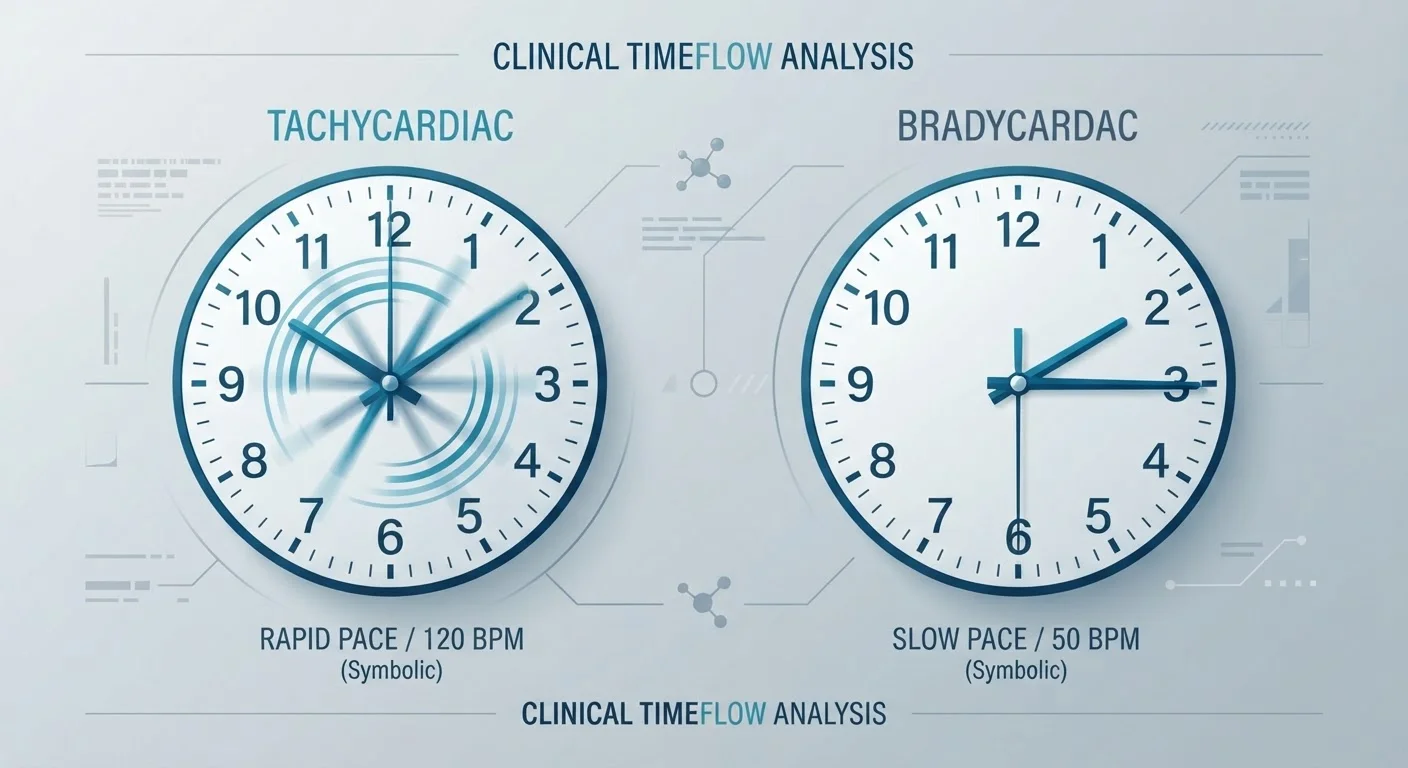
Photo: FeaturingHealth.net | Healthy Living Simplified editorial
Key Takeaways
- Premature ejaculation and delayed ejaculation represent opposite ends of the ejaculatory timing spectrum.
- Both conditions are clinically defined partly by the distress they cause, not timing alone.
- Causes can be psychological, physiological, or a combination of both for either condition.
- Neither condition is a character flaw — both are recognized medical concerns with evidence-based management options.
- A qualified healthcare provider is the right first step for diagnosis and personalized guidance.
Defining the Two Conditions
Ejaculatory disorders span a spectrum, and premature ejaculation (PE) and delayed ejaculation (DE) sit at opposite ends. While both involve a disruption to the normal timing and control of ejaculation, their clinical definitions, underlying mechanisms, and experiences differ significantly.
Premature ejaculation is generally defined as ejaculation that occurs within approximately one minute of penetration on a persistent basis, before the individual wishes it, and which causes notable distress. The International Society for Sexual Medicine (ISSM) characterizes it as a male sexual dysfunction involving a short ejaculatory latency, inability to delay ejaculation, and negative personal consequences such as frustration or avoidance of intimacy.
Delayed ejaculation, by contrast, involves a marked delay in achieving ejaculation, an infrequent ability to ejaculate, or a complete inability to ejaculate despite adequate stimulation and the desire to do so. Like PE, the distress component is central to the diagnosis — a naturally long latency that causes no concern to either partner is not clinically considered DE.
| Criterion | Premature Ejaculation (PE) | Delayed Ejaculation (DE) |
|---|---|---|
| Core issue | Ejaculation occurs too quickly | Ejaculation is difficult or absent |
| Prevalence | Estimated 20–30% of men affected | Less common; estimated 1–4% of men |
| Primary psychological factor | Performance anxiety, conditioned response | Anxiety, depression, intimacy barriers |
| Common physiological contributors | Serotonin pathway variation, sensitivity | Medication side effects, neuropathy, hormones |
| Behavioral interventions | Stop-start, squeeze technique | Stimulation adjustments, fantasy bridging |
| Role of medication | Topical agents, select oral medications | Reviewing/adjusting existing medications |
| Distress required for diagnosis | Yes — timing alone is insufficient | Yes — delay alone is insufficient |
Causes and Contributing Factors
Both conditions can arise from a mix of psychological, neurobiological, and situational factors, though the specific drivers often differ.
Premature Ejaculation
PE is thought to involve heightened penile sensitivity, altered serotonin receptor activity in the central nervous system, and conditioned behavioral patterns developed earlier in life. Anxiety — particularly performance anxiety — is a significant amplifier. Lifelong PE (present since the first sexual experiences) often has a stronger neurobiological basis, while acquired PE (developing after a period of normal function) is more frequently linked to psychological or relationship factors, or may accompany erectile dysfunction.
Delayed Ejaculation
DE tends to be more heterogeneous in origin. Common contributors include:
- Medications: Selective serotonin reuptake inhibitors (SSRIs), antihypertensives, and antipsychotics are well-known culprits.
- Psychological factors: Anxiety, depression, relationship difficulties, or discordance between fantasy and real-world stimulation.
- Neurological conditions: Spinal cord injuries, multiple sclerosis, or diabetic neuropathy can impair the ejaculatory reflex.
- Hormonal imbalances: Low testosterone or thyroid dysfunction may play a role in some cases.
20–30%
Estimated prevalence of PE in men
The International Society for Sexual Medicine notes PE is the most common male sexual dysfunction globally, affecting roughly one in four men at some point.
~1–4%
Estimated prevalence of DE in men
DE is considered significantly less common than PE, though it is likely underreported due to stigma and lack of clinician awareness, according to sexual medicine literature.
~60%
DE cases linked to antidepressant use
Sexual medicine research consistently identifies SSRIs as a leading iatrogenic cause of delayed ejaculation, with rates varying by specific drug and dosage.
It is worth noting that masturbatory habits — particularly high-frequency or high-intensity patterns — have been discussed in clinical literature as potentially conditioning the ejaculatory response in ways that make partnered sex more difficult for men with DE.
How Each Condition Is Generally Managed
Management approaches for PE and DE differ meaningfully, which reinforces why accurate identification matters before any intervention is pursued.
Approaches for PE
Behavioral strategies — such as the stop-start technique and the squeeze technique — have a long history in sex therapy and can help some men develop greater ejaculatory control. Psychological therapy, including cognitive behavioral therapy (CBT) and couples counseling, addresses anxiety and relational dynamics. Clinically, topical anesthetics and certain oral medications have demonstrated efficacy in peer-reviewed research, though these require a prescribing physician's involvement.
Approaches for DE
DE management is often more complex and highly individualized. Where a medication side effect is identified, a physician may explore dosage adjustment or a medication switch — never something to attempt independently. Psychological therapy is frequently central to treatment, particularly when anxiety, performance pressure, or intimacy issues are present. In cases with an underlying medical cause, treating the primary condition is the starting point.
When to Seek Professional Help
Regardless of which condition applies, consulting a urologist, sexual health specialist, or mental health professional with expertise in sexual medicine is the appropriate first step. Both PE and DE are legitimate medical concerns — not personal failings — and both respond to evidence-based care.
This article is for general informational and educational purposes only and does not constitute medical advice. Always consult a qualified healthcare provider for diagnosis, treatment, or questions about a specific medical condition.
The content on this site is for informational purposes only and is not a substitute for professional advice. Always consult a qualified professional for guidance specific to your situation.