
Male Fertility: Key Factors That Influence Sperm Health

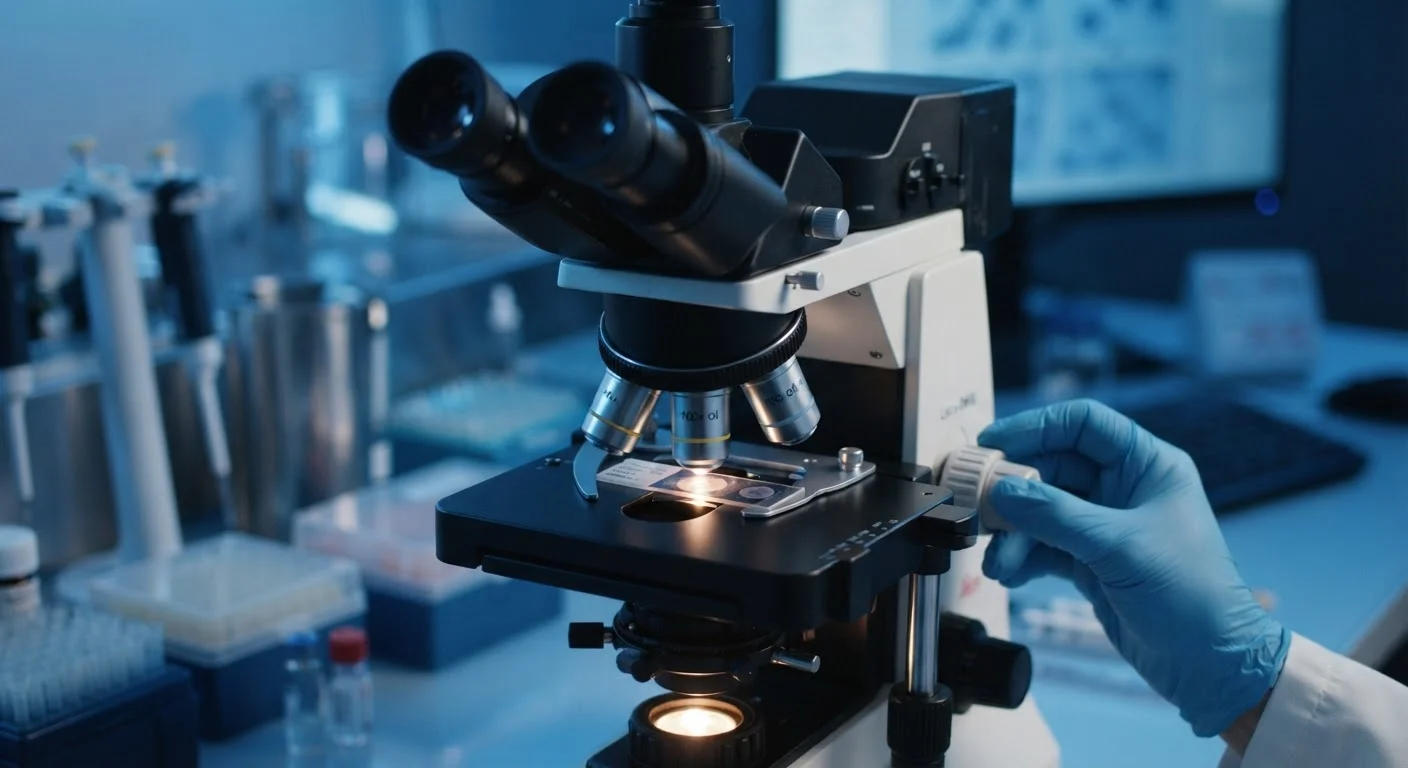
Photo: FeaturingHealth.net | Healthy Living Simplified editorial
Key Takeaways
- Sperm quality encompasses count, motility, and morphology — all of which matter for fertility.
- Lifestyle factors including diet, exercise, heat exposure, and smoking have measurable effects on sperm health.
- Several medical conditions and medications can significantly impair sperm production or function.
- Many contributing factors are modifiable, making early lifestyle changes a practical first step.
- A qualified healthcare provider can assess fertility concerns through semen analysis and targeted testing.
Why Male Fertility Deserves More Attention
Male factor infertility contributes to roughly half of all cases where couples have difficulty conceiving, yet it remains underdiagnosed and undertalked. Sperm health is not a single metric — clinicians evaluate sperm count (total number), motility (ability to move effectively), and morphology (size and shape) to build a complete picture. A deficiency in any one of these parameters can reduce the likelihood of fertilization.
For a broader grounding in men's reproductive and sexual wellbeing, see our comprehensive overview of men's sexual health. Below, we break down the key factors the evidence links to sperm health — from everyday habits to underlying medical conditions.
Diet and Nutritional Status
Research consistently links dietary patterns to semen quality. Diets rich in antioxidants — found in fruits, vegetables, nuts, and whole grains — are associated with better sperm motility and morphology, potentially by reducing oxidative stress in testicular tissue. Conversely, diets high in processed meats and trans fats have been associated with lower sperm counts in observational studies.
Key nutrients with documented links to sperm health include zinc, folate, selenium, and vitamins C and E. It is worth noting that most supporting evidence comes from observational studies; supplementation in men who are not deficient has not been shown to reliably improve fertility outcomes. A well-balanced diet remains the most evidence-grounded approach.
Antioxidant-rich diets are consistently linked to improved sperm motility and morphology in research.
Scrotal Temperature and Heat Exposure
Sperm production is temperature-sensitive — the testes are located outside the body precisely because spermatogenesis requires a temperature slightly below core body temperature. Prolonged exposure to elevated scrotal heat, whether from laptop use on the lap, frequent hot tub use, or occupational heat sources, has been associated with reduced sperm parameters in some studies.
The evidence is strongest for varicocele — an enlargement of the veins in the scrotum that raises local temperature — which is one of the most common, identifiable, and treatable causes of male infertility. Men who work in hot environments or spend long hours seated may benefit from discussing heat-reduction strategies with their doctor.
The testes require a temperature below core body temperature — sustained heat exposure can impair sperm production.
Tobacco, Alcohol, and Recreational Substances
Cigarette smoking is linked to reduced sperm count, lower motility, and increased DNA fragmentation in sperm. The damage appears dose-dependent — meaning heavier smokers tend to show more pronounced effects. Similarly, heavy alcohol consumption is associated with lower testosterone levels and impaired sperm production, although light to moderate drinking has a less clear impact.
Anabolic-androgenic steroids (AAS) — sometimes used to enhance athletic performance — suppress the hormonal signals needed for sperm production and can cause severe, sometimes prolonged, impairment of fertility. Cannabis use has also been associated with reduced sperm count and altered morphology in several studies, though the research is less conclusive than for tobacco. For more on how hormones interact with lifestyle, see our hub on men's hormonal health.
Anabolic steroids can cause severe and sometimes prolonged suppression of sperm production.
Body Weight and Physical Activity
Both underweight and obesity are associated with altered reproductive hormone profiles and reduced sperm quality. Excess adipose (fat) tissue can increase the conversion of testosterone to estrogen, disrupting the hormonal environment necessary for healthy sperm production. Research published in reproductive medicine journals indicates that obesity is associated with lower sperm concentration and total motile sperm count.
Regular moderate exercise supports hormonal balance and reduces oxidative stress — both beneficial for sperm health. However, excessive endurance training or extreme caloric restriction (as sometimes seen in competitive athletes) may negatively affect testosterone and sperm parameters. The goal is physiological balance, not extremes. Explore evidence-based men's fitness strategies to support overall hormonal health.
Obesity disrupts the hormonal environment needed for sperm production by elevating estrogen relative to testosterone.
Environmental and Occupational Exposures
Certain chemicals in the environment — collectively called endocrine-disrupting compounds (EDCs) — can interfere with hormonal signaling. Pesticides (particularly organophosphates), heavy metals such as lead and cadmium, phthalates, and bisphenol A (BPA) have all been associated with reduced sperm quality in occupational and epidemiological studies.
Men working in agriculture, painting, welding, or manufacturing may face higher exposure risks. Minimizing unnecessary contact with known EDCs — through appropriate protective equipment, ventilation, and awareness of workplace hazards — is a practical harm-reduction measure. This is an evolving research area; if you have concerns about occupational exposure, an occupational health physician or reproductive urologist can provide individualized guidance.
Endocrine-disrupting chemicals found in pesticides and plastics are linked to reduced sperm quality in occupational studies.
Underlying Medical Conditions and Medications
Several health conditions directly affect sperm production or delivery. These include hypogonadism (low testosterone production), varicocele, previous infections such as mumps orchitis or sexually transmitted infections causing epididymal obstruction, and genetic conditions such as Klinefelter syndrome or Y chromosome microdeletions.
Certain medications can also impair fertility as a side effect — including some antihypertensives, antidepressants, chemotherapy agents, and testosterone replacement therapy (which paradoxically suppresses natural sperm production). If you are taking regular medications and have fertility concerns, speak with your prescribing physician before making any changes. Never discontinue a prescribed medication without professional guidance. Our article on separating myth from fact in men's sexual health addresses several misconceptions around treatments and fertility.
Testosterone replacement therapy can paradoxically suppress natural sperm production — always discuss fertility goals with your doctor.
What You Can Do — And When to Seek Help
Many of the factors above are at least partially modifiable. Improving diet, reducing alcohol, quitting smoking, and managing chronic stress represent evidence-supported starting points. That said, lifestyle changes typically take two to three months to show an effect on sperm — reflecting the roughly 74-day cycle of sperm production (spermatogenesis).
Semen Analysis: Your Starting Point
If you and your partner have been trying to conceive for 12 months without success — or six months if your partner is over 35 — it is appropriate to seek evaluation from a urologist or reproductive endocrinologist. A semen analysis is a straightforward, non-invasive test that can identify issues early and guide next steps. For more on the lifestyle habits that support men's reproductive wellbeing, explore our article on lifestyle habits that support men's sexual wellbeing.
This article is for general informational purposes only and does not constitute medical advice. If you have concerns about your fertility or reproductive health, consult a qualified healthcare professional.
The content on this site is for informational purposes only and is not a substitute for professional advice. Always consult a qualified professional for guidance specific to your situation.