3 mistakes to avoid while buying contact lenses online
health

3 mistakes to avoid while buying contact lenses online

Buying contact lenses online is an easy and convenient process. Additionally, online retailers often offer lower prices, making it a lucrative option. However, there are several ways in which the purchase can go wrong, like receiving the wrong product or the risk of eye infection. To ensure that one gets the best value for money and an authentic product, it is important to avoid these common mistakes when purchasing contact lenses online. Not providing prescriptions to the online supplier The only way to buy correct contact lenses is through an eye exam conducted by an ophthalmologist. They will then prescribe the type of contact lenses one can wear. This prescription needs to be checked by the online supplier before one places an order for the lenses. If the prescription is not provided, one will likely end up with the wrong pair of lenses. So, always buy from online suppliers and retailers that check the prescription before taking an order. One can provide the prescription by scanning it or taking a photograph and uploading it online or through the mail, whichever method has been specified by the retailer. Not researching the supplier properly This is a common mistake that many people make while buying contact lenses online.
Chronic bronchitis – Signs and management tips
health

Chronic bronchitis – Signs and management tips

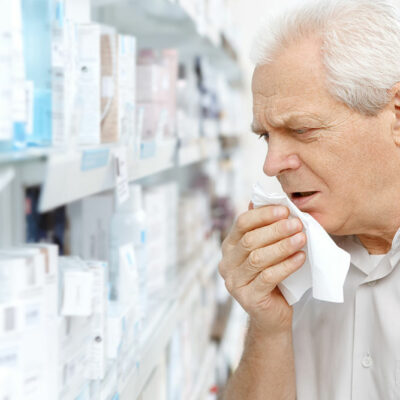
Chronic bronchitis is caused by the long-term inflammation of the airways. This causes excess mucus production. In addition, there is a higher risk of lung infection. Those who have chronic bronchitis are also diagnosed with chronic obstructive pulmonary disease (COPD). COPD, or chronic bronchitis, often occurs through periodic flare-ups. A chronic bronchitis flare-up or exacerbation is a sudden worsening of symptoms. These flare-ups are generally preceded by the following signs: Signs of chronic bronchitis flare-up The signs of a flare-up can last for two days. In some cases, it lasts for several days. The intensity of the symptoms is usually more severe than usual. A person may have to go to the emergency room if they experience a full-blown exacerbation during a flare-up. Some of the common signs that indicate an incomplete flare-up include the following: Wheezing and noisy breathing sounds Coughing accompanied by more mucus than usual Change in the color of mucus Trouble catching breath Discomfort in the chest Tiredness or fatigue Some other signs include the following: Unable to take deep breaths Trouble sleeping Headaches after waking up Stomach pain Frequent bouts of anxiousness Swollen ankles and legs Drowsiness Unable to think clearly Frequent mood changes Pale skin Changes in nail and lip color Difficulty talking Tips to manage signs of a chronic bronchitis flare-up Here are a few tips to manage chronic bronchitis symptoms:
7 heart-healthy breakfast ideas to kickstart the day
health

7 heart-healthy breakfast ideas to kickstart the day

Research has shown a correlation between nutritional choices and heart health. Out of all meals, breakfast plays an important role when it comes to reducing the risk of metabolic and cardiovascular diseases. A heart-friendly breakfast can set the tone for the rest of the day, providing essential nutrients and energy to keep one going. So, here are 7 heart-healthy breakfast ideas that are not only delicious and nutritious but also easy to make: 1. Overnight oatmeal Rolled oats soaked overnight in milk or dairy-free alternatives with a sprinkle of chia seeds, a touch of honey, and fresh berries can be a filling, heart-healthy breakfast. The fiber in oats helps lower bad cholesterol levels, promoting heart health. 2. Avocado toast Avocado is rich in monounsaturated fats, which have been linked to lower levels of bad cholesterol and a reduced risk of heart disease. Here, one can layer thin avocado slices on whole-grain toast and season with salt, pepper, and red pepper flakes. Fresh herbs, lemon juice, or even a poached egg can also be added to the recipe. 3. Vegetable smoothies Smoothies with leafy greens like spinach or kale, along with cucumber or celery, can be nutritious, as these veggies are packed with vitamins, minerals, and antioxidants that contribute to better heart health.
6 ways to deal with loneliness
health

6 ways to deal with loneliness

Loneliness is a common and deeply human experience that can affect anyone at various stages of life. It is also a complex emotion often arising from social isolation or the feeling of being disconnected from other people, among other factors. The good news is that there are practical ways to deal with such feelings while also fostering meaningful connections. So, here are a few ways that can help overcome loneliness: Engage in prayer Prayer can involve meditation, reflection, or quiet contemplation, all of which help by offering hope and faith in a better future. Additionally, engaging in this practice can help one find inner peace, possibly reducing feelings of loneliness. Spend time outdoors Connecting with nature can be a rejuvenating activity. Whether it is a leisurely stroll in the park, a hike through the woods, or enjoying the sun, stepping outside can help one experience a sense of peace and a connection to their surroundings. Volunteer for a cause Giving back to the community can be a fulfilling way to not just help but also connect with others. This way, volunteering provides a sense of purpose and belonging. Whether it is lending a hand at a local shelter or hospital, reading to children, or participating in neighborhood clean-up drives and other community initiatives, volunteering is a great way to make new connections.
7 signs of low blood sugar that impact health
health

7 signs of low blood sugar that impact health

Low blood sugar, also known as hypoglycemia, is a condition characterized by abnormally low levels of glucose in the bloodstream. Usually, a level below 70 mg/dL is considered low, which is common in those with diabetes. However, consistently low blood sugar can affect various parts of the body, causing issues with cognitive function, nerves, cardiovascular health, kidney function, and vision. So, here are common signs of low blood sugar that impact health: Disorientation When blood sugar levels plummet, one may experience disorientation, confusion, or mental fog. This can impair the ability to think clearly, make decisions, and even recognize familiar surroundings or people. At times, this symptom can lead to a complete loss of awareness and might require immediate hospitalization. Managing hypoglycemia promptly by bringing up blood glucose levels is essential to restore mental clarity and prevent further disorientation. Drop in energy levels Glucose is converted into energy in the body, and cells in the body use this energy to function. So, another common effect of low blood sugar is a sudden and dramatic decrease in energy, leaving one feeling fatigued, weak, and physically drained. Tremors and rapid heartbeat When dealing with low blood sugar, the body may release adrenaline, which can cause muscle tremors and shakiness.
5 essential supplements to improve bone density
health

5 essential supplements to improve bone density

The bones work with muscles and joints to hold the body together and support movement. They require continuous nutrition to perform this function efficiently. Ignoring this can weaken a person’s bones and significantly raise the risk of osteoporosis. The best way to improve bone strength and density is to get sufficient nutrients from food. But if that isn’t enough, experts may recommend supplements rich in specific elements like the following: Boron Boron is necessary to build and preserve bones. While one does not require much of it, the element is necessary because it helps the body effectively use calcium. Boron supplements may also support osteoporosis treatment as they activate the vitamins and minerals required for bone formation. Magnesium Magnesium works in combination with calcium to improve bone strength and support overall health. About 60% of the body’s magnesium is stored in the skeletal system, which makes it essential to get enough of this nutrient through meals. If that does not suffice, one could consider magnesium supplements for improved bone density after consulting a healthcare expert. Calcium A large amount of calcium is stored in the bones and teeth, which makes it a vital nutrient. Calcium makes the bones hard and strong.
4 vitamins and minerals to boost metabolism
health

4 vitamins and minerals to boost metabolism

Metabolism is the chemical process by which food is converted into energy. There are multiple chemical processes involved in metabolism. Certain minerals and vitamins can boost this process. Also, what one consumes greatly influences the speed and quality of their metabolism. Therefore, consuming foods rich in certain minerals and vitamins can seriously increase one’s energy throughout the day. Here are some of the vitamins and minerals that boost one’s metabolism: 1. B vitamins This family of vitamins is critical for energy metabolism in the body. Essentially, if one does not consume these vitamins, they may have digestive issues. The various B vitamins are B-12, biotin, folate, B-6, pantothenic acid, or B-5, niacin, or B-3, riboflavin, or B-2, and thiamine, or B-1. Out of these vitamins, B-12 is responsible for the metabolism of fats and proteins. Vitamins B-6 and folate help facilitate this process. Thiamine enables metabolizing carbohydrates, proteins, and fats, while B-6 helps metabolize some key proteins. Vitamin B-rich foods include whole grains, dairy products, eggs, lean meats, seafood, nuts, seeds, spinach, potatoes, squash, bananas, apples, grapes, and watermelons. 2. Vitamin C Vitamin C is used up by the body when a person is stressed. At the same time, the body releases a lot of cortisol when a person is stressed.
4 high-risk public places for respiratory viruses
health

4 high-risk public places for respiratory viruses

Respiratory viruses are a global health concern, leading to many illnesses and diseases that can be prevented cautiously. These viruses usually spread through contact with contaminated spaces, airborne droplets, aerosols, and similar mediums. Some public places can be at high risk for spreading such respiratory viruses, and it is essential to be careful of such spaces. Here are a few places where viruses can spread rapidly: 1. Public transport Nearly everyone takes public transportation, if not within the city, but to travel outside the city, country, or continent. This involves going through crowded spaces, buses, airplanes, and trains. These are often hotspots for disease spreading, as public transport mediums are always filled with people. They are poorly ventilated, so respiratory droplets can easily infect anyone. There are frequent touchpoints, like surfaces like seats, handrails, and even door panels. 2. Entertainment venues Places like concert halls, sports arenas, theaters, and wedding venues are a few examples of high-risk zones for respiratory viruses. Activities like singing and cheering can release more respiratory droplets in the air, which can easily affect some people. If it is an indoor seating venue, the ventilation is not good enough to filter out the toxins, and it does not help that all the people are sitting near each other, which increases the risk of transmission.
Key things to know about lactose-free milk
health

Key things to know about lactose-free milk

Lactose and gluten are the new buzzwords in the health market. Despite their popularity, many people still need clarification on what the terminologies mean and their ramifications on specific health conditions. Also, since digestive problems are rising, there has been significant research and development in food alternatives. This article explores one of the most popular alternatives, i.e., lactose-free milk – and why it may be a sound choice for many. What is lactose-free milk? Many people experience abdominal issues such as bloating, diarrhea, vomiting, and abdominal pain after consuming regular milk. This health condition is known as lactose intolerance. It occurs due to the sugar ‘lactose’ found in dairy products like milk, cheese, and ice cream, which can be difficult to digest. It may be caused due to genetic factors or due to illness or injury to the small intestine. As a solution to this, companies began producing lactose-free milk, that is, regular milk without lactose. Most lactose-free milk contains 0.1% or less of lactose. This is achieved by processing milk to remove most of its lactose content and adding lactase to cow’s milk. Lactase helps break down lactose content in the body, making it easier for people to consume and digest milk.
5 types of clothing that can affect one’s health
health

5 types of clothing that can affect one’s health

Clothes do more than just enhance one’s look – they protect the body from external factors and provide warmth and comfort. Thus, while shopping for outfits, it is important to consider not only the esthetic appeal but also the fit, durability, comfort, and texture. With a variety of outfits available today, fashionistas are spoilt for choice in every outfit category. In this scenario, it makes sense to avoid certain types of clothes that may affect one’s overall health: Underwire bras Although underwire bras are intended to uplift and support the breasts, these bras increase one’s risk of skin conditions like rashes and fungal infections. They can also cause problems like chest and neck pain and block milk ducts among lactating mothers. Hence, it is advisable to limit the use of underwire bras, replacing them with comfortable wireless cotton bras, bralettes, and sports bras, among other options. Tight jeans Skinny jeans may accentuate one’s figure and enhance one’s appeal, but their continuous friction with the skin may cause potential skin problems like rashes. Moreover, tight jeans can prevent blood circulation and trigger nerve and muscle damage. Trying alternative types of trousers, such as palazzos, capris, and culottes, is a good idea.

Top Articles

Symptoms, causes, and risks of peptic ulcer
health

Symptoms, causes, and risks of peptic ulcer

Peptic ulcer affects about 4.6 million Americans every year. Peptic ulcer results in open sores forming on the upper portion of the small intestine and the inside lining of the stomach. The first one is known as the duodenal ulcer, and the second type is known as a gastric ulcer. Read on to know more about its symptoms, causes, and risks associated with this condition. Symptoms of peptic ulcer If you feel a burning pain in the stomach, then it can be a sign of peptic ulcers, as it is the most common symptom of the disease. The pain can get worse at night or between meals. The acid in your stomach makes it worse. Other than the pain, some other common symptoms of peptic ulcers include feeling bloated or full, intolerance to fatty food, nausea, and heartburn. Apart from these, the other signs may include: Vomiting with the presence of blood Presence of dark blood in the stool Trouble in breathing Feeling faint Nausea Sudden weight loss Change in appetite Taking acid blockers can relieve the pain temporarily. If it keeps coming back, you need to contact your doctor. Causes of peptic ulcer Stomach conditions may have a variety of causes, which is true for peptic ulcers too.
Heart disease – Symptoms, causes, and risk factors
health

Heart disease – Symptoms, causes, and risk factors

Several diseases are included under the umbrella term of heart diseases and are also called cardiovascular diseases. They lead to the blood vessels becoming narrow or getting blocked, which, in turn, can result in a heart attack or stroke or cause pain in the chest. Other heart conditions affect the heart’s muscle, rhythm, or valve. Symptoms The symptoms vary according to the condition diagnosed. The symptoms of common cardiovascular diseases are discussed below. Symptoms of atherosclerotic disease Pain in the chest or feeling a sense of tightness or discomfort in the area Shortness of breath Limbs feeling numb or severely cold if the blood vessels have narrowed in the area, as it affects blood circulation Pain in the jaw, back, upper abdomen, or neck Symptoms of abnormality in the heartbeat or arrhythmia Fluttering sensation in the chest Racing or slow heartbeat Discomfort or pain in the chest Feeling dizzy or fainting Light-headedness Symptoms of heart defects or related conditions Skin color turning blue or pale gray Abdominal swelling or swelling in the area surrounding the eyes Shortness of breath while feedings in case of an infant Symptoms of dilated cardiomyopathy Breathlessness Swelling in the legs, feet, and ankles Feeling a sense of fatigue and dizziness Irregular heartbeat Symptoms related to heart infections Fever Shortness of breath Feeling weak Change in the heart rhythm Persistent cough Skin rashes Causes The causes vary depending on the type of heart disease one is affected with.
Symptoms, causes, and risk factors of immune system disorder
health

Symptoms, causes, and risk factors of immune system disorder

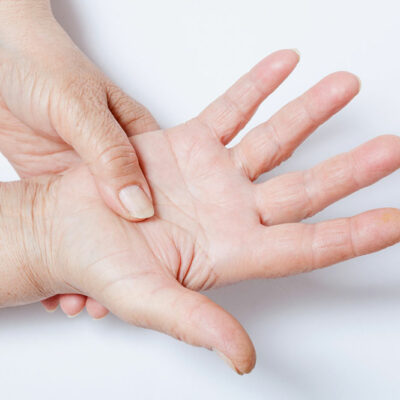
The immune system is referred to as the defense system that protects the body against different kinds of diseases. The stronger the immune system, the higher will be the chances of the body staying away from diseases. Suffering from immunodeficiency or immune system disorder is a cause of concern and must be immediately addressed. Symptoms Cold hands If the blood vessels suffer from inflammation, it gets difficult for the ears, toes, fingers, and nose to stay warm. The affected portion of the skin turns white. Slowly, the color changes into blue when these areas are further exposed to some cold object or atmosphere. When the flow of the blood becomes normal, the skin turns back to red. Medical experts refer to this as the Raynaud’s phenomenon. It is one of the most commonly observed symptoms of immune system disorder. Dry eyes When a person is suffering from an autoimmune disorder, his immune system, instead of protecting his body against diseases, attacks it. Lupus and rheumatoid arthritis are two of the most common examples of this condition. People who suffer from an autoimmune disorder tend to have dry eyes. The person will feel the presence of some grainy object when this happens.
Common joint conditions and their symptoms and risk factors
health

Common joint conditions and their symptoms and risk factors

Joint conditions are commonly associated with increasing age, but they can also be a result of injuries or may develop due to other medical conditions affecting bone and joint health. Arthritis, a commonly diagnosed joint condition, has over 200 types. Depending on the severity of the disease, these conditions can also affect a patient’s quality of life. Read on to know the symptoms, causes, and factors that increase one’s risk of developing joint conditions. Symptoms of joint conditions The following are some of the symptoms that most joint conditions are accompanied by: Joint stiffness Weakness in the joints Inflammation, swelling, and redness of the affected joint Limping due to pain and stiffness Joint getting locked Tearing of the cartilage Commonly-diagnosed joint conditions and their causes Osteoarthritis This form of arthritis involves the wear-and-tear of the joint’s cartilage, which means the risk of developing this disease elevates with age. The cartilage plays the role of a cushion between the bones in order to prevent friction that can cause damage. Damaged cartilage due to this condition results in the bones losing their protection and clashing, causing pain and restricting movement and flexibility. This usually occurs gradually, but it can also develop suddenly in the case of an infection or injury.
All you need to know about menopause
health

All you need to know about menopause

Menopause marks the end of a woman’s menstrual cycles. It is typically diagnosed after a year of no menstrual periods, but it begins much before that. Menopause occurs in your forties and even fifties, but the average age when it occurs in the US is 51. While it is a natural and biological process, the physical symptoms and the hot flashes may cause disruptions in your sleep and even affect your emotional health in general. There are plenty of treatments available. But, to get started, you need to know what the condition looks and feels like. Here are the symptoms, causes, and complications related to menopause. Symptoms of menopause In the time leading up to menopause, you may experience some common symptoms such as irregularity in periods, dryness in the vagina, as well as hot flashes. Some people also experience chills, sleep problems, mood swings, and night sweats. Weight gain and slowed metabolism are two other symptoms that commonly occur with menopause. Menopausal women may even experience dry skin and thinning hair on a regular basis. However, this is not to say that all women experience these symptoms. Different women go through different issues. Depending on your health in general, you may experience varying levels of symptoms.
Mental health conditions – What you should know
health

Mental health conditions – What you should know

Millions of people live with different types of mental illnesses and health problems. These include obsessive-compulsive disorder, social anxiety, and personality disorders. All of these come under the umbrella of mental health. In this article, we will cover the symptoms, causes, and risk factors of some common mental health disorders such as obsessive-compulsive disorder (OCD), post-traumatic stress disorder (PTSD), and clinical depression to help you understand them better. Symptoms The common symptoms of mental health disorders include: Obsessive-compulsive disorder People with OCD may present the following symptoms: Constant fear of contamination and extra emphasis on cleanliness Signs of hoarding and counting belongings continuously Signs of excessive concern toward personal safety Post-traumatic stress disorder Somebody suffering from PTSD may show the following symptoms: Constantly suffering through intrusive memories Negative patterns in mood and mindset Trying to avoid thinking of the traumatic event Feeling changes in emotional and physical reactions Clinical depression The symptoms of clinical depression include: Being moody and experiencing different emotions, such as aggressiveness, anxiousness, and restlessness Adverse effect on sexual life A decline of cognitive abilities Poor sleep patterns If you notice any of these symptoms, we recommend consulting with a mental health doctor immediately. Causes The common causes of any mental health disorder include the following: