12 Useful Ways to Maintain Eye Health
health

12 Useful Ways to Maintain Eye Health

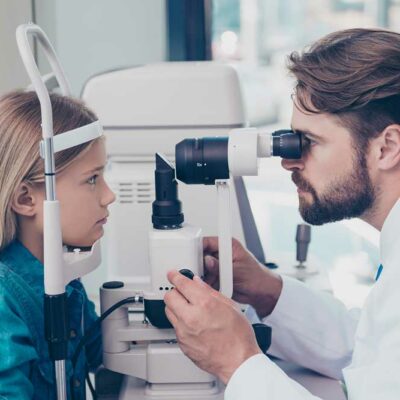
Our eyes help us see what’s around us so that we can react accordingly. Since they perform such a crucial function, we must maintain them by following healthy practices. Sadly, many ignore eye care and increase their risk of ocular conditions. These conditions are usually treatable with timely intervention, but prevention is always better than cure. Below are a few simple yet practical ways to maintain eye health in the long run. 1. Eat foods rich in omega-3 fatty acids Studies have shown that omega-3 fatty acids can help improve the functioning of the meibomian gland. This oil gland protects against age-related macular degeneration and dry eye disease. Fatty fish, such as salmon, tuna, and mackerel, are excellent sources of omega-3 fatty acids and should be a part of one’s meals to protect the eyes. Nuts like walnuts and seeds like flax and chia seeds are also rich in this essential nutrient. 2. Maintain an active lifestyle Moderate-intensity exercises considerably reduce eye pressure, lowering one’s risk of glaucoma, cataracts, age-related macular degeneration, and other eye disorders. Hence, individuals should avoid a sedentary lifestyle and incorporate walking, jogging, skipping, cycling, swimming, or other exercises into daily workouts. 3. Wear shades while stepping out during the day In the long run, persistent and direct exposure to sunlight can trigger several eye diseases, including macular degeneration, corneal damage, and cataracts.

7 commons signs of lung congestion
health

7 commons signs of lung congestion

Chest or lung congestion often occurs due to a common cold. Sometimes, an underlying medical condition like bronchitis, COPD, and so on can also cause persistent lung congestion. Additionally, excess fluids, such as mucus, can accumulate in the lungs, adding to the congestion. This also causes swelling of the lungs along with constriction of the airflow, which makes breathing difficult. Therefore, it is imperative to look at the signs and manage them through treatment options. Signs of congestion in lungs An affected person may experience: A hacking cough with clear, green, or dark yellow mucus A feeling of tightness in the chest A sore throat Constant body aches and frequent chills A persistent headache High fever that may last for a few days Shortness of breath or wheezing Most of the symptoms of chest congestion usually subside within a few days. However, the cough may persist for a couple of weeks as the bronchial tubes complete their healing process. If the cough lasts for more than 14 days, it is advisable to consult a doctor at the earliest. This sign might be an indicator of other serious health conditions, such as pneumonia. Tips for managing the signs of lung congestion In most cases, lung congestion can be effectively treated by rest and waiting for the virus to clear.
5 Tips to Maintain Eye Health
health

5 Tips to Maintain Eye Health

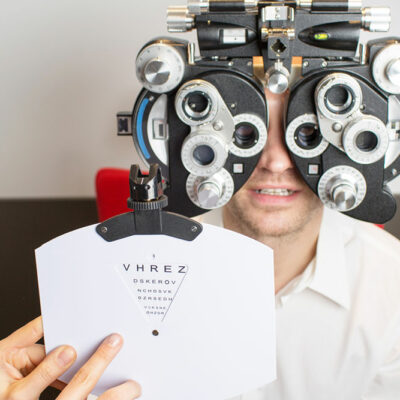
The eyes can accomplish amazing things. They process information using a complex mechanism that establishes a direct connection with the brain, allowing individuals to process the world around them visually. One would be surprised to know that many people don’t take eye health seriously! People who don’t think they have a vision problem seldom get routine exams with an ophthalmologist or optometrist, which can deteriorate their eye health. Here are some ways to maintain eye health: Ways to maintain eye health From the moment one wakes up until the moment they go to sleep, how they navigate their day and enjoy life is greatly influenced by their eyes. Following these suggestions will help one maintain the health of their eyes and safeguard their vision. 1. Defend the eyes from UV light’s harmful effects A condition known as photokeratitis, which resembles sunburn, can result from prolonged exposure to the sun’s UV rays. The eyes can become swollen, irritated, and red from this, which can be extremely painful. After 6 to 12 hours of exposure, photokeratitis symptoms, which are an inflammation of the cornea’s outer layer, usually appear. However, the harmful effects of ultraviolet (UV) radiation build up over time, and the risk of developing cataracts and other age-related conditions rises noticeably.
5 mistakes to avoid when battling the flu
health

5 mistakes to avoid when battling the flu

When it comes to dealing with the seasonal or allergic flu, also known as influenza, understanding the things to avoid is as crucial as knowing the appropriate measures to take. The general characteristics of this condition include runny nose, fever, chills, and cough. Managing the flu can be a challenging and uncomfortable experience, and to promote easier and faster recovery, here are some things one should avoid doing when infected with the virus. Not drinking enough water Fever and sweating can cause dehydration, which can further delay the recovery and take a toll on one’s body. Therefore, it is advised to drink plenty of water, herbal teas, and electrolyte-rich fluids to help the body recover more effectively. It’s also important to avoid drinking coffee or tea as it can contribute to dehydration. Not resting enough Avoiding rest and trying to power through the illness can prolong its duration and increase the risk of complications. When dealing with the flu, it’s important to listen to the body and allow the time it needs to heal. Bed rest, along with sleep and relaxation, can help the immune system fight off the virus more efficiently. Experts suggest waiting for at least 24 hours before going out after the fever has subsided.
5 foods that can help prevent lung disease
health

5 foods that can help prevent lung disease

Exposure to toxic fumes, pollution, and particulate matter can quickly deteriorate lung health. While one must take precautions to lower the exposure or avoid it altogether, several other ways, like making good nutrition choices, can help improve lung health and prevent common lung diseases. One must follow meal plans that consist of foods that can help prevent such conditions. Here are some of the options one can include in their meal plans. Beets The root and greens of the beetroot plant add vibrancy to meals. In addition, these contain essential compounds that can optimize the function of the lungs. Beet greens and beetroot contain high amounts of nitrates. Also, beets are rich in magnesium, vitamin C, potassium, and antioxidants. All of these help the blood vessels relax while lowering blood pressure and optimizing oxygen. This improves lung health. Apples While eating apples can improve overall health, this fruit is particularly good for the lungs. It lowers the risk of developing common lung diseases. The high percentage of antioxidants such as flavonoids and vitamin C in apples also helps in slowing down the decline of lung health in those with pre-existing lung problems. Walnuts These nuts are quite popular as healthy foods for the heart.
7 signs of liver damage
health

7 signs of liver damage

The liver is responsible for functions such as supporting metabolism and removing toxins from the body. If it sustains any damage, its functions are severely compromised. As a result, due to liver damage, one may notice several signs and symptoms that indicate that the liver is not functioning properly. Recognizing these signs is crucial for effectively managing and treating the liver condition. Here are a few warning signs of liver damage to look out for: 1. Jaundice Jaundice is the noticeable yellowish discoloration of a person’s skin and the whites of their eyes. It is often the most apparent sign of a liver ailment. Jaundice happens due to the liver’s inability to process a waste product called bilirubin. 2. Fluid retention Excessive fluid retention may also be indicative of liver problems. This fluid buildup occurs either in the abdominal cavity, causing bloating, or in the legs, causing them to swell up. 3. Loss of appetite Losing appetite is another common symptom noticed in liver ailments. Since the liver helps in the process of metabolism, any damage caused to it may hinder that function. As a result, one may experience this symptom. 4. Itchy skin Liver ailments may also cause an increase in the levels of bile salts in the body.
5 early warning signs of cervical cancer
health

5 early warning signs of cervical cancer

Cervical cancer is a common condition, with the Centers for Disease Control and Prevention suggesting that approximately 11,500 new cases of this type of cancer are detected every year in the country. Like other types of cancer, this condition is most manageable when diagnosed in the earliest stages of progression. So, to help receive timely treatment and diagnosis, one should keep an eye out for the following early warning signs of cervical cancer: 1. Pain in lower back or pelvis Pelvic pain and lower back pain in women are indicators of underlying issues in the reproductive organs. If one experiences pain in these areas, then the symptoms should be examined by a doctor to check for cervical cancer. Continuous pelvic pain near the appendix can develop when the cancer has advanced. 2. Loss of appetite This is a common cancer symptom. With cervical cancer, the early stages are often associated with unexplained muscle loss and a drastic change in appetite. In fact, even women with healthy appetites and adequate food intake can experience muscle loss as an early warning sign of cervical cancer. 3. Unusual discharge Vaginal discharge is a normal phenomenon in women, especially in different stages of menstrual cycle.
6 signs of poor lung health
health

6 signs of poor lung health

Lungs are vital organs responsible for the most basic bodily function required to stay alive: respiration. So, when the lungs are in poor condition, their hindered functions directly affect the individual. Poor health of one’s lungs may be easily noticeable via certain signs and symptoms. An individual must be aware of and recognize the signs of poor lung health, such as the following, to take immediate action for their well-being. 1. Shortness of breath Since the primary function of the lungs is respiration, one of the most telltale signs of poor lung health is experiencing shortness of breath. One may experience breathlessness or panting despite minimal or no physical exertion. 2. Persistent fatigue Due to one’s lungs not being healthy, they may also experience chronic fatigue. They may notice that they feel tired despite being well-rested. This is because when people breathe laboriously, they feel low on energy. 3. Wheezing Wheezing refers to the high-pitched, whistling-like sound that occurs during breathing. However, wheezing is unnatural and occurs due to an obstruction in the body’s airway. As a result, it is usually associated with respiratory ailments. 4. Chronic cough If one has been experiencing chronic coughing for more than two months, it may indicate poor lung health.
3 mistakes to avoid when taking medicare coverage
health

3 mistakes to avoid when taking medicare coverage

Medicare is a federal health insurance program for those aged 65 and above. Others who qualify for this plan include people with disabilities, End-Stage Renal Disease (permanent kidney failure), or Lou Gehrig’s Disease (ALS). Given the complexities associated with these plans, some people may find it challenging to navigate the insurance landscape. To simplify this process, this article lists three mistakes people must avoid making when taking Medicare plan coverage. Missing the deadlines Missing the Medicare sign-up deadline is one of the biggest mistakes when taking Medicare plan coverage. Those receiving social benefits over 65 are automatically enrolled in the program. However, others need to enroll for Medicare in the initial enrollment period, which: Starts three months before one’s 65th birthday Includes the month one turns 65, and Ends three months after one turns 65. Failing to enroll in Medicare in this period could result in a coverage gap. It could also lead to a lifetime late enrollment penalty, increasing with age. Assuming spouse coverage Unlike employee insurance programs, Medicare does not automatically cover the entire family. It is meant to provide insurance at an individual level. Those with spouses under 65 may need to opt for alternative insurance plans for their partners, such as an employer-based plan, a COBRA plan, or an individual health insurance policy.
5 foods that help prevent under-eye circles
health

5 foods that help prevent under-eye circles

Dark circles under the eyes are quite common. It can be due to stress, allergies, dehydration, prolonged screen time, and hyperpigmentation. While there are no overnight fixes to get rid of dark circles, making certain lifestyle changes can help to manage the problem in the long term. One of these changes is adding certain foods to one’s meal plans. These foods are rich in essential vitamins and nutrients that promote healthy skin under the eyes and prevent dark circles. Tomatoes Tomatoes are rich in antioxidants and are a great source of lycopene, which gives them their red color. Lycopene is known for its ability to protect blood vessels from damage, which helps with blood circulation. Additionally, tomatoes contain quercetin, an anti-inflammatory compound that makes them effective in managing dark circles. Cucumbers Cucumbers are often used as a home remedy to reduce eye puffiness. Sliced cucumbers are placed on the eyes to help the skin relax. However, cucumbers can also be eaten for their eye health benefits. They contain a high percentage of water, which helps to deal with the dark pigmentation under the eyes. Additionally, cucumbers have a high concentration of silica that effectively improves collagen production for healthier skin.

Top Articles

Symptoms, causes, and risks of peptic ulcer
health

Symptoms, causes, and risks of peptic ulcer

Peptic ulcer affects about 4.6 million Americans every year. Peptic ulcer results in open sores forming on the upper portion of the small intestine and the inside lining of the stomach. The first one is known as the duodenal ulcer, and the second type is known as a gastric ulcer. Read on to know more about its symptoms, causes, and risks associated with this condition. Symptoms of peptic ulcer If you feel a burning pain in the stomach, then it can be a sign of peptic ulcers, as it is the most common symptom of the disease. The pain can get worse at night or between meals. The acid in your stomach makes it worse. Other than the pain, some other common symptoms of peptic ulcers include feeling bloated or full, intolerance to fatty food, nausea, and heartburn. Apart from these, the other signs may include: Vomiting with the presence of blood Presence of dark blood in the stool Trouble in breathing Feeling faint Nausea Sudden weight loss Change in appetite Taking acid blockers can relieve the pain temporarily. If it keeps coming back, you need to contact your doctor. Causes of peptic ulcer Stomach conditions may have a variety of causes, which is true for peptic ulcers too.
Heart disease – Symptoms, causes, and risk factors
health

Heart disease – Symptoms, causes, and risk factors

Several diseases are included under the umbrella term of heart diseases and are also called cardiovascular diseases. They lead to the blood vessels becoming narrow or getting blocked, which, in turn, can result in a heart attack or stroke or cause pain in the chest. Other heart conditions affect the heart’s muscle, rhythm, or valve. Symptoms The symptoms vary according to the condition diagnosed. The symptoms of common cardiovascular diseases are discussed below. Symptoms of atherosclerotic disease Pain in the chest or feeling a sense of tightness or discomfort in the area Shortness of breath Limbs feeling numb or severely cold if the blood vessels have narrowed in the area, as it affects blood circulation Pain in the jaw, back, upper abdomen, or neck Symptoms of abnormality in the heartbeat or arrhythmia Fluttering sensation in the chest Racing or slow heartbeat Discomfort or pain in the chest Feeling dizzy or fainting Light-headedness Symptoms of heart defects or related conditions Skin color turning blue or pale gray Abdominal swelling or swelling in the area surrounding the eyes Shortness of breath while feedings in case of an infant Symptoms of dilated cardiomyopathy Breathlessness Swelling in the legs, feet, and ankles Feeling a sense of fatigue and dizziness Irregular heartbeat Symptoms related to heart infections Fever Shortness of breath Feeling weak Change in the heart rhythm Persistent cough Skin rashes Causes The causes vary depending on the type of heart disease one is affected with.
Symptoms, causes, and risk factors of immune system disorder
health

Symptoms, causes, and risk factors of immune system disorder

The immune system is referred to as the defense system that protects the body against different kinds of diseases. The stronger the immune system, the higher will be the chances of the body staying away from diseases. Suffering from immunodeficiency or immune system disorder is a cause of concern and must be immediately addressed. Symptoms Cold hands If the blood vessels suffer from inflammation, it gets difficult for the ears, toes, fingers, and nose to stay warm. The affected portion of the skin turns white. Slowly, the color changes into blue when these areas are further exposed to some cold object or atmosphere. When the flow of the blood becomes normal, the skin turns back to red. Medical experts refer to this as the Raynaud’s phenomenon. It is one of the most commonly observed symptoms of immune system disorder. Dry eyes When a person is suffering from an autoimmune disorder, his immune system, instead of protecting his body against diseases, attacks it. Lupus and rheumatoid arthritis are two of the most common examples of this condition. People who suffer from an autoimmune disorder tend to have dry eyes. The person will feel the presence of some grainy object when this happens.
Common joint conditions and their symptoms and risk factors
health

Common joint conditions and their symptoms and risk factors

Joint conditions are commonly associated with increasing age, but they can also be a result of injuries or may develop due to other medical conditions affecting bone and joint health. Arthritis, a commonly diagnosed joint condition, has over 200 types. Depending on the severity of the disease, these conditions can also affect a patient’s quality of life. Read on to know the symptoms, causes, and factors that increase one’s risk of developing joint conditions. Symptoms of joint conditions The following are some of the symptoms that most joint conditions are accompanied by: Joint stiffness Weakness in the joints Inflammation, swelling, and redness of the affected joint Limping due to pain and stiffness Joint getting locked Tearing of the cartilage Commonly-diagnosed joint conditions and their causes Osteoarthritis This form of arthritis involves the wear-and-tear of the joint’s cartilage, which means the risk of developing this disease elevates with age. The cartilage plays the role of a cushion between the bones in order to prevent friction that can cause damage. Damaged cartilage due to this condition results in the bones losing their protection and clashing, causing pain and restricting movement and flexibility. This usually occurs gradually, but it can also develop suddenly in the case of an infection or injury.
All you need to know about menopause
health

All you need to know about menopause

Menopause marks the end of a woman’s menstrual cycles. It is typically diagnosed after a year of no menstrual periods, but it begins much before that. Menopause occurs in your forties and even fifties, but the average age when it occurs in the US is 51. While it is a natural and biological process, the physical symptoms and the hot flashes may cause disruptions in your sleep and even affect your emotional health in general. There are plenty of treatments available. But, to get started, you need to know what the condition looks and feels like. Here are the symptoms, causes, and complications related to menopause. Symptoms of menopause In the time leading up to menopause, you may experience some common symptoms such as irregularity in periods, dryness in the vagina, as well as hot flashes. Some people also experience chills, sleep problems, mood swings, and night sweats. Weight gain and slowed metabolism are two other symptoms that commonly occur with menopause. Menopausal women may even experience dry skin and thinning hair on a regular basis. However, this is not to say that all women experience these symptoms. Different women go through different issues. Depending on your health in general, you may experience varying levels of symptoms.
Mental health conditions – What you should know
health

Mental health conditions – What you should know

Millions of people live with different types of mental illnesses and health problems. These include obsessive-compulsive disorder, social anxiety, and personality disorders. All of these come under the umbrella of mental health. In this article, we will cover the symptoms, causes, and risk factors of some common mental health disorders such as obsessive-compulsive disorder (OCD), post-traumatic stress disorder (PTSD), and clinical depression to help you understand them better. Symptoms The common symptoms of mental health disorders include: Obsessive-compulsive disorder People with OCD may present the following symptoms: Constant fear of contamination and extra emphasis on cleanliness Signs of hoarding and counting belongings continuously Signs of excessive concern toward personal safety Post-traumatic stress disorder Somebody suffering from PTSD may show the following symptoms: Constantly suffering through intrusive memories Negative patterns in mood and mindset Trying to avoid thinking of the traumatic event Feeling changes in emotional and physical reactions Clinical depression The symptoms of clinical depression include: Being moody and experiencing different emotions, such as aggressiveness, anxiousness, and restlessness Adverse effect on sexual life A decline of cognitive abilities Poor sleep patterns If you notice any of these symptoms, we recommend consulting with a mental health doctor immediately. Causes The common causes of any mental health disorder include the following: