6 alarming signs of sickle cell crises
health

6 alarming signs of sickle cell crises

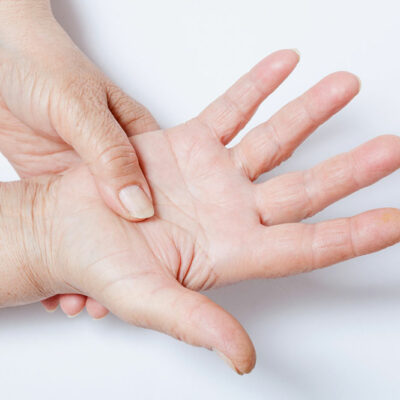
Sickle cell crisis, also called vaso-occlusive crisis, is a painful and potentially life-threatening episode that occurs in individuals with sickle cell disease (SCD). This type of blood disorder is caused by an abnormal genetic mutation. The condition affects one’s hemoglobin and turns the shape of red blood cells into sickle-shaped cells, leading to restricted blood flow, anemia, and increased risk of infections. Understanding the warning signs of sickle cell crisis is important. Intense pain and headaches Sickle cell crisis brings excruciating pain, often accompanied by headache or dizziness. Individuals experiencing a crisis describe the pain as sharp, throbbing, and unbearable. This pain can occur anywhere in the body but is most commonly felt in the bones and joints. It can be so severe that it interferes with daily activities, making it impossible to ignore. Muscular weakness and swelling Muscular or general weakness can manifest in various parts of the body during sickle cell crisis, making it difficult to move some parts of one’s body or perform everyday tasks. It can also be due to swelling of hands and feet or localized swelling that can be tender or painful to the touch. These symptoms mainly occur because the sickle cells get stuck in the small vessels and block blood flow.
6 foods for relieving nasal congestion
health

6 foods for relieving nasal congestion

Although unpleasant, nasal congestion is a common, and perhaps the most pervasive, allergy symptom for millions of people worldwide. It is also a common symptom indicating a cold or flu. Congestion can interrupt daily routine, so one can try management options to relieve this symptom and breathe better. Here, anti-inflammatory foods may help reduce the discomfort. So here are six foods that help fight nasal congestion, prevent excess mucus buildup, and relieve a stuffy nose: Tea Breathing in the steam from hot liquids like tea or broth can help make mucus thinner and relieve congestion. Additionally, green tea is also known for its anti-inflammatory compounds called polyphenols, which can help with swollen sinuses. Honey According to preliminary studies, honey can help soothe a sore throat. It may also help fight upper respiratory tract infections. Honey is generally safe to eat for people over the age of 1. One can add it to tea, use it as a salad dressing, or just eat a spoonful to relieve inflammation. Citrus fruits Vitamin-C-rich fruits such as limes, lemons, grapefruit, and oranges help boost immunity. They also have antioxidant properties, which can help relieve the pain and inflammation associated with nasal congestion. The combination of vitamin C and antioxidants can help thin mucus and reduce allergy-related congestion.
7 early signs of acute respiratory viruses
health

7 early signs of acute respiratory viruses

Acute respiratory infections refer to a broad category of illnesses, like bronchiolitis and pneumonia, that affect the lower and upper respiratory tract. A significant number of these infections are caused by respiratory viruses, posing a health risk to individuals of all ages. Common respiratory viruses include influenza, rhinoviruses, common cold viruses, and adenovirus. These viruses can invade the respiratory tract, leading to inflammation and a cascade of symptoms ranging from mild to severe. Early signs of respiratory infections Here are some of the early signs of severe respiratory infections caused by viruses: Fever If you experience a sudden onset of high fever, especially if it exceeds 103°F, could be a sign of viral infection. Fever is the body’s natural response to fight infections, indicating that the immune system is working to eliminate the virus. You may also experience chills along with fever. Congestion and sore throat Nasal congestion and a sore throat are among the initial symptoms of viral infection in the respiratory tract and can cause further discomfort. Cough A cough is often the body’s way of clearing the airways of mucus and foreign particles. Coughing may start as mild irritation and develop into a more severe, persistent cough over time as the infection worsens.
Here’s what one should know about Medigap plans
health

Here’s what one should know about Medigap plans

Medigap is additional insurance one can buy to cover costs that are not covered under Medicare. Also known as the Medicare Supplement Plan, Medigap helps one reduce out-of-pocket expenses, i.e., co-payments and deductibles. One can access these insurance services through private companies. However, one must already have a Medicare Part A and Part B plan to buy Medigap. To understand Medigap plans better, here are a few things to know: What is a Medigap plan? Original Medicare (Parts A and B) does not cover all medical expenses. So, private companies can offer Medigap plans to help cover these costs. Nevertheless, Medigap plans generally do not offer long-term, vision, or dental coverage. They also do not cover the cost of hearing aids, eyeglasses, or private nursing. Medigap Plans are aimed at covering costs such as co-payments, deductibles, and coinsurance. Some specific costs that may be included in these plans are: About 20% of out-of-pocket expenses that are not covered by Medicare Part B Coinsurance for Part A Hospital coverage up to 365 days after Medicare benefits are used up Part A hospice or respite care copayment Some plans may also cover emergency medical care while traveling abroad. How much do Medigap plans cost?
7 foods that can cause water retention
health

7 foods that can cause water retention

Water retention is a health problem where the body can’t flush out excess fluids, which begin to build up in the tissues. The ailment leads to swelling in the hands, legs, ankles, feet, and other body parts. Water retention can result from several factors, including underlying health conditions. However, nutrition also plays a significant role in its development. The following foods are known to cause water retention and should be avoided. Carbonated soda Carbonated beverages contain a lot of carbon dioxide and artificial sweeteners, which cause the body to retain excess water. When thirsty, individuals should avoid these and opt for natural fruit juices and healthy fluids. Sausages Deli meats like sausages, bacon, pepperoni, and salami have high sodium. Sodium helps preserve the meat and gives it a unique flavor. However, an excess can cause the body to retain more water. Hence, one should limit deli meat intake to maintain a healthy sodium-to-water ratio. Mozzarella sticks Appetizers like mozzarella sticks, chicken fingers, potato boats, and chicken nuggets taste great and satiate cravings. However, these foods are likely to cause water retention owing to a higher amount of unhealthy fats and sodium. Salted nuts Seasoned flavored nuts like chili almonds and salted mixed nuts are often staples during snack time.
5 foods to avoid for high blood pressure
health

5 foods to avoid for high blood pressure

High blood pressure is one of the most prevalent health problems globally. While it is a lifelong disorder with no cure, high blood pressure can be managed through treatments and lifestyle modifications. One of the crucial aspects of managing it is eating the right foods and avoiding others. Fresh fruits, green vegetables, and whole foods are often recommended to maintain safe blood pressure levels. Equally importantly, one must avoid fried and fatty foods, among others. 5 foods to avoid that increase blood pressure Cold cuts and cured meats Salami, sausages, pepperoni, bacon, prosciutto, and hot dogs contain a high amount of sodium. The high level of sodium is necessary to preserve the meat. It also gives the cold cuts and cured meats their flavor. However, for those with high blood pressure, eating these meats on a regular basis will worsen the symptoms. Packaged sandwiches Sandwiches can be healthy meal options. However, the nutritional value and whether they are safe for high blood pressure or hypertension greatly depends on the ingredients used. Most packaged sandwiches use white flour-based bread, deli meats, cheese, pickles, and other condiments. All of these make these sandwiches high in sodium, which is bad for managing high blood pressure.
5 early signs of kidney disease
health

5 early signs of kidney disease

The kidneys play an important role in eliminating harmful toxins from the body. If the kidneys are impaired and do not function well, one can experience a series of symptoms. Chronic kidney disease can be caused due to several factors, including diabetes, high blood pressure, heart disease, unhealthy lifestyle choices, and abnormal kidney structure. Therefore, it is essential to be aware of any early signs of kidney disease or changes in the body. Frequent urination According to doctors, urinating 8 to 10 times a day is a normal bowel movement. However, if one finds themselves running to the bathroom frequently throughout the day, this may indicate kidney dysfunction. Also, one of the early signs of kidney disease is urinating in the middle of the night. When the filters of the kidneys are not able to function properly, the urge to urinate increases. Swollen ankles When the kidney function is compromised, there can be sodium retention in the body. This retention can cause the swelling of ankles and feet. Swelling in the lower extremities can also lead to other health issues like heart disease, chronic leg vein issues, and even liver problems. Muscle cramping As the kidneys shut down, the organ fails to filter and remove toxins and excess fluid from the body.
8 warning signs of MAC lung disease
health

8 warning signs of MAC lung disease

Our lungs are susceptible to various health complications, including mycobacterium avium complex (MAC) disease. MAC is a group of bacteria that usually triggers infections in people with weaker immune systems, such as those with HIV/AIDS and other underlying lung conditions. However, it is also seen in healthier individuals. Various symptoms of MAC lung disease could help diagnose it early and seek appropriate treatment. Here are eight warning signs of the condition. Pain in the chest Someone who develops pain in their chest should see an expert and determine the underlying cause. The pain could result from MAC lung disease and may require immediate treatment. The symptom’s intensity may range from mild to severe and worsen by deep breathing or coughing. Clubbing of the fingers Another warning sign of MAC lung disease is the clubbing of one’s fingers. The individual may find their fingers becoming enlarged and rounded at the tips. This symptom might be associated with the advanced stages of MAC lung disease and could indicate lower oxygen levels in the blood. Shortness of breath Among the first noticeable signs of MAC lung disease is shortness of breath, which worsens during physical activity. It is usually triggered by lung tissue damage.
5 foods that help manage acid reflux
health

5 foods that help manage acid reflux

Acid reflux is a condition that can cause a burning sensation in the chest, accompanied by other symptoms such as regurgitation of food or sour liquid, chest or stomach pain, and difficulty swallowing. Sometimes, it may also lead to the development of a lump in the throat. These symptoms occur when the esophageal sphincter fails to function correctly, causing digestive juices and stomach contents to rise through the food pipe. However, certain foods can help in providing relief. Bananas This fruit has low acid content and is highly alkaline, which can help neutralize the stomach acid that causes irritation of the esophageal lining during acid reflux. Moreover, bananas are a rich source of pectin, a type of soluble fiber. This slows down the movement of food through the digestive tract smoothly. Additionally, the fiber helps to keep the stomach feeling fuller for a longer period of time, which can prevent overeating, a major cause of acid reflux. Honey The viscosity or thickness of honey is relatively high. It neutralizes the stomach acids and forms a physical barrier between the esophagus and the stomach. Moreover, it can coat the mucus membrane of the esophagus to protect it against the irritating effects of the refluxed stomach acids.
5 foods to avoid for patients with short bowel syndrome
health

5 foods to avoid for patients with short bowel syndrome

Short bowel syndrome refers to a condition that occurs when a major portion of a person’s small intestine has been removed. The small intestine is responsible for absorbing nutrients and water from the food one eats. Therefore, the removal of a major portion of it can significantly impact this absorption process. Consequently, people with short bowel syndrome need to change their food regimen. This includes avoiding certain foods, such as the following: Foods with high sugar content Sugar-rich foods can cause rapid spikes in blood sugar levels. This can cause one’s body to draw excess water into the bowels, leading to loose stools and frequent bowel movements. This further causes dehydration and loss of nutrients. Hence, patients with short bowel syndrome must avoid sugary foods such as candies, sweets, pastries, cakes, cookies, etc. They must also avoid sodas and sugary beverages, which often contain high fructose corn syrup. Foods with high fiber content Due to the reduction in the size of the small intestine, it gets harder for the body to absorb fibers, especially insoluble fiber. Hence, patients with short bowel syndrome must avoid foods with high amounts of fiber (particularly insoluble fiber). These include whole-grain products (like whole-wheat bread and bran products), legumes (like beans, lentils, and chickpeas), and certain vegetables such as broccoli, cauliflower, and Brussel sprouts.

Top Articles

Symptoms, causes, and risks of peptic ulcer
health

Symptoms, causes, and risks of peptic ulcer

Peptic ulcer affects about 4.6 million Americans every year. Peptic ulcer results in open sores forming on the upper portion of the small intestine and the inside lining of the stomach. The first one is known as the duodenal ulcer, and the second type is known as a gastric ulcer. Read on to know more about its symptoms, causes, and risks associated with this condition. Symptoms of peptic ulcer If you feel a burning pain in the stomach, then it can be a sign of peptic ulcers, as it is the most common symptom of the disease. The pain can get worse at night or between meals. The acid in your stomach makes it worse. Other than the pain, some other common symptoms of peptic ulcers include feeling bloated or full, intolerance to fatty food, nausea, and heartburn. Apart from these, the other signs may include: Vomiting with the presence of blood Presence of dark blood in the stool Trouble in breathing Feeling faint Nausea Sudden weight loss Change in appetite Taking acid blockers can relieve the pain temporarily. If it keeps coming back, you need to contact your doctor. Causes of peptic ulcer Stomach conditions may have a variety of causes, which is true for peptic ulcers too.
Heart disease – Symptoms, causes, and risk factors
health

Heart disease – Symptoms, causes, and risk factors

Several diseases are included under the umbrella term of heart diseases and are also called cardiovascular diseases. They lead to the blood vessels becoming narrow or getting blocked, which, in turn, can result in a heart attack or stroke or cause pain in the chest. Other heart conditions affect the heart’s muscle, rhythm, or valve. Symptoms The symptoms vary according to the condition diagnosed. The symptoms of common cardiovascular diseases are discussed below. Symptoms of atherosclerotic disease Pain in the chest or feeling a sense of tightness or discomfort in the area Shortness of breath Limbs feeling numb or severely cold if the blood vessels have narrowed in the area, as it affects blood circulation Pain in the jaw, back, upper abdomen, or neck Symptoms of abnormality in the heartbeat or arrhythmia Fluttering sensation in the chest Racing or slow heartbeat Discomfort or pain in the chest Feeling dizzy or fainting Light-headedness Symptoms of heart defects or related conditions Skin color turning blue or pale gray Abdominal swelling or swelling in the area surrounding the eyes Shortness of breath while feedings in case of an infant Symptoms of dilated cardiomyopathy Breathlessness Swelling in the legs, feet, and ankles Feeling a sense of fatigue and dizziness Irregular heartbeat Symptoms related to heart infections Fever Shortness of breath Feeling weak Change in the heart rhythm Persistent cough Skin rashes Causes The causes vary depending on the type of heart disease one is affected with.
Symptoms, causes, and risk factors of immune system disorder
health

Symptoms, causes, and risk factors of immune system disorder

The immune system is referred to as the defense system that protects the body against different kinds of diseases. The stronger the immune system, the higher will be the chances of the body staying away from diseases. Suffering from immunodeficiency or immune system disorder is a cause of concern and must be immediately addressed. Symptoms Cold hands If the blood vessels suffer from inflammation, it gets difficult for the ears, toes, fingers, and nose to stay warm. The affected portion of the skin turns white. Slowly, the color changes into blue when these areas are further exposed to some cold object or atmosphere. When the flow of the blood becomes normal, the skin turns back to red. Medical experts refer to this as the Raynaud’s phenomenon. It is one of the most commonly observed symptoms of immune system disorder. Dry eyes When a person is suffering from an autoimmune disorder, his immune system, instead of protecting his body against diseases, attacks it. Lupus and rheumatoid arthritis are two of the most common examples of this condition. People who suffer from an autoimmune disorder tend to have dry eyes. The person will feel the presence of some grainy object when this happens.
Common joint conditions and their symptoms and risk factors
health

Common joint conditions and their symptoms and risk factors

Joint conditions are commonly associated with increasing age, but they can also be a result of injuries or may develop due to other medical conditions affecting bone and joint health. Arthritis, a commonly diagnosed joint condition, has over 200 types. Depending on the severity of the disease, these conditions can also affect a patient’s quality of life. Read on to know the symptoms, causes, and factors that increase one’s risk of developing joint conditions. Symptoms of joint conditions The following are some of the symptoms that most joint conditions are accompanied by: Joint stiffness Weakness in the joints Inflammation, swelling, and redness of the affected joint Limping due to pain and stiffness Joint getting locked Tearing of the cartilage Commonly-diagnosed joint conditions and their causes Osteoarthritis This form of arthritis involves the wear-and-tear of the joint’s cartilage, which means the risk of developing this disease elevates with age. The cartilage plays the role of a cushion between the bones in order to prevent friction that can cause damage. Damaged cartilage due to this condition results in the bones losing their protection and clashing, causing pain and restricting movement and flexibility. This usually occurs gradually, but it can also develop suddenly in the case of an infection or injury.
All you need to know about menopause
health

All you need to know about menopause

Menopause marks the end of a woman’s menstrual cycles. It is typically diagnosed after a year of no menstrual periods, but it begins much before that. Menopause occurs in your forties and even fifties, but the average age when it occurs in the US is 51. While it is a natural and biological process, the physical symptoms and the hot flashes may cause disruptions in your sleep and even affect your emotional health in general. There are plenty of treatments available. But, to get started, you need to know what the condition looks and feels like. Here are the symptoms, causes, and complications related to menopause. Symptoms of menopause In the time leading up to menopause, you may experience some common symptoms such as irregularity in periods, dryness in the vagina, as well as hot flashes. Some people also experience chills, sleep problems, mood swings, and night sweats. Weight gain and slowed metabolism are two other symptoms that commonly occur with menopause. Menopausal women may even experience dry skin and thinning hair on a regular basis. However, this is not to say that all women experience these symptoms. Different women go through different issues. Depending on your health in general, you may experience varying levels of symptoms.
Mental health conditions – What you should know
health

Mental health conditions – What you should know

Millions of people live with different types of mental illnesses and health problems. These include obsessive-compulsive disorder, social anxiety, and personality disorders. All of these come under the umbrella of mental health. In this article, we will cover the symptoms, causes, and risk factors of some common mental health disorders such as obsessive-compulsive disorder (OCD), post-traumatic stress disorder (PTSD), and clinical depression to help you understand them better. Symptoms The common symptoms of mental health disorders include: Obsessive-compulsive disorder People with OCD may present the following symptoms: Constant fear of contamination and extra emphasis on cleanliness Signs of hoarding and counting belongings continuously Signs of excessive concern toward personal safety Post-traumatic stress disorder Somebody suffering from PTSD may show the following symptoms: Constantly suffering through intrusive memories Negative patterns in mood and mindset Trying to avoid thinking of the traumatic event Feeling changes in emotional and physical reactions Clinical depression The symptoms of clinical depression include: Being moody and experiencing different emotions, such as aggressiveness, anxiousness, and restlessness Adverse effect on sexual life A decline of cognitive abilities Poor sleep patterns If you notice any of these symptoms, we recommend consulting with a mental health doctor immediately. Causes The common causes of any mental health disorder include the following: