4 signs of weak immunity and ways to strengthen it
health

4 signs of weak immunity and ways to strengthen it

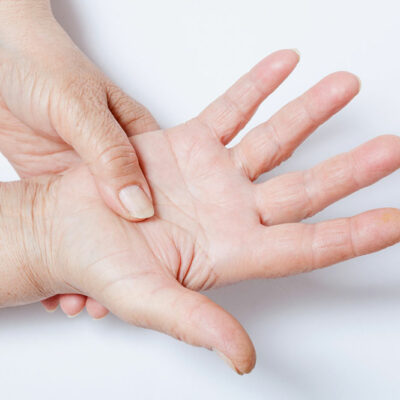
A person’s immune system plays a vital role in protecting the body against various threats, including severe respiratory viruses. A robust immune system is essential for minimizing the risk of infection and reducing the severity of illnesses. If one has a weak immune system, the body’s ability to defend against infections and illnesses is compromised. This article discusses four key signs that may indicate weakened immunity and ways to strengthen it. Frequent Illnesses If one falls ill frequently, whether it’s a common cold, the flu, or other respiratory infections, it could be a sign that their immune system is struggling to fend off these threats. Slow recovery A prolonged recovery period after an illness or surgery can indicate weakened immunity. Even wounds and injuries may take longer to heal if the immune system is weakened. A strong immune system helps the body bounce back more quickly. Frequent digestive issues Chronic digestive problems like frequent diarrhea, constipation, or bloating can indicate an imbalance in the gut microbiome, which is critical to immune health. Chronic stress One of the symptoms of a weak immune system can be a persistent state of stress. This chronic stress can manifest as anxiety, restlessness, and an overall feeling of unease.

7 unusual signs of blood clots one should not ignore
health

7 unusual signs of blood clots one should not ignore

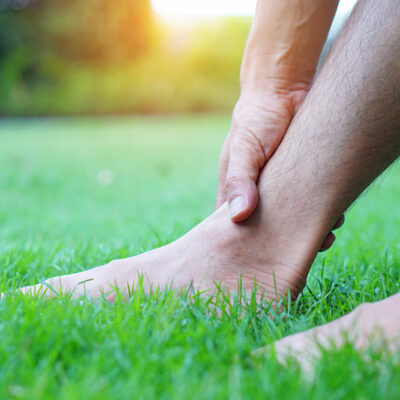
Unusual signs of blood clots can vary depending on their location and severity. It’s important to note that not all blood clots are present with symptoms, and some signs may be subtle or barely cause discomfort. However, it’s important to remember that these signs and symptoms can vary in intensity and may indicate other medical conditions. Identifying the early signs helps with timely diagnosis and treatment to prevent complications associated with blood clots. Unexplained pain or swelling in limbs Unexplained pain, tenderness, or swelling that develops in one arm or leg could be a sign of a deep vein thrombosis (DVT). People also complain about a feeling of warmth or redness noticeable with this pain. Also, swelling that doesn’t resolve with rest and elevation might be due to a clot or impaired blood flow in the veins. Skin discoloration One of the more evident signs of a blood clot is skin discoloration with shades of pale blue or reddish tingle, particularly around the area where the clot is located. Further, if a blood clot develops in the small blood vessels of the fingers or toes, it can cause pain, numbness, and skin discoloration (cyanosis), often referred to as “white, blue, or purple fingers.” Coughing or shortness of breath Pulmonary embolism is a major risk factor that can occur if a blood clot in the legs or pelvis breaks free and travels to the lungs.
15-minute healthy breakfast and snack recipes
health

15-minute healthy breakfast and snack recipes

Cooking healthy meals at home is often challenging in today’s busy lifestyle. Consequently, many opt for fast foods while on the go, which usually have less nutritional value. But the good news is that some recipes combine fast cooking with nutrition. Trying these recipes for breakfast or evening snacks can make a difference in maintaining good health. Here are four such recipes to boost energy and invigorate the taste buds. The classic avocado toast Starting the day with a dose of healthy fats and fiber can ensure sustained energy levels. Mash a ripe avocado, spread it over whole-grain toast, and sprinkle salt, pepper, and red pepper flakes for a little kick. Optionally, add a poached or fried egg for an extra protein boost. Berry or green smoothie Smoothies are a fantastic source of vitamins, minerals, fiber, and antioxidants. For a quick and refreshing snack, blend a handful of mixed berries (strawberries, blueberries, raspberries) with Greek yogurt, a splash of almond or coconut milk, and a drizzle of honey. Alternatively, opt for a green smoothie by blending leafy greens like spinach or kale with fruits like bananas, apples, and pineapple. Overnight chia pudding Chia seeds are a nutritional powerhouse. To try this recipe, mix chia seeds with a choice of milk (almond, coconut, or regular) in a jar or container.
6 tips to prevent and manage aortic stenosis
health

6 tips to prevent and manage aortic stenosis

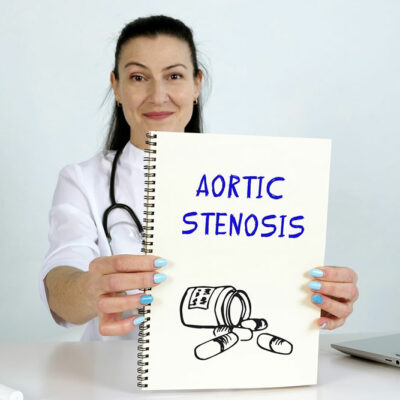
Aortic stenosis is characterized by the narrowing of the aortic valve that constricts blood flow from the heart to the rest of the body. Certain unavoidable genetic factors, such as congenital heart defects or age-related calcification, contribute to the development of aortic stenosis. However, one can still take some measures to reduce the risk or slow down the disease progression. Here are a few expert suggestions to prevent the flare-up of the condition. Regular check-ups It is important to plan regular check-ups and screenings with the nearest healthcare provider to understand the prognosis of the condition. Detecting heart problems early can help manage them more effectively. Manage blood pressure High blood pressure is a major risk factor for aortic stenosis. Doctors primarily suggest maintaining a healthy blood pressure through a balanced exercise and rehabilitation plan as prescribed by the doctor. This includes nutrition changes with a heart-healthy regime that includes plenty of fruits, whole grains, vegetables, and lean proteins and limits saturated and trans fats. Also, reduce sodium (salt) intake to help control blood pressure. Exercise regularly Cardiac rehabilitation specialists will suggest a series of low-intensity exercises to keep heart health in check. Maintaining an active lifestyle, coupled with a balanced nutritional regime and regular exercise, can help reduce the strain on the heart and lower the risk of developing aortic stenosis.
10 early warning signs of a seizure
health

10 early warning signs of a seizure

Seizures are a neurological phenomenon that affects many individuals. While they can occur without warning, some people experience early warning signs or pre-ictal symptoms before a seizure episode. Awareness of these signs can help individuals and their loved ones take precautionary measures and seek timely medical attention to manage the condition effectively and reduce the risk of seizure injury. So, here are ten early warning signs of seizures to be aware of. Aura sensations An aura is often described as a strange or unusual feeling that precedes a seizure. It can manifest as visual disturbances like flashing lights, strange smells, or a feeling of déjà vu. These sensations can serve as a signal that a seizure is imminent. Mood changes Sudden and unexplained mood swings or emotional changes can indicate an impending seizure. It may include feelings of anxiety, fear, or intense happiness that seem out of context with the current situation. Cognitive disturbances Difficulty with concentration, memory lapses, or feeling mentally “foggy” can be early indicators of an impending seizure. Individuals may struggle to find the right words or become confused during conversations. Physical sensations Some people experience physical sensations such as tingling, numbness, or a sensation of pins and needles in certain parts of the body before a seizure occurs.
5 things one should know about contraception
health

5 things one should know about contraception

Knowing the fundamentals of birth control is essential for reproductive health. It empowers individuals, both men and women, to make informed choices while ensuring their overall well-being. These methods include behavioral approaches and treatment options. Moreover, certain types of birth control can provide benefits like reducing the risk of certain cancers and protecting against related infections. This article lists some of the essential elements of birth control that one should know. A wide range of birth control methods exists Birth control methods are available in various forms and cater to different preferences and needs. For example, barrier methods like diaphragms, cervical caps, and vaginal rings physically block sperm from reaching an egg. In contrast, long-acting reversible contraceptives (LARCs) like intrauterine devices (IUDs) and implants are inserted in the uterus and offer long-term protection. Oral contraceptives are another common birth control method. Understanding the available options can help individuals choose the most suitable method. The effectiveness of each method varies The effectiveness of birth control methods can vary significantly. When used appropriately, most of these methods are highly effective. However, real-world usage often differs from ideal scenarios. For example, oral contraceptives must be taken consistently at the same time every day.
7 foods to avoid with COPD
health

7 foods to avoid with COPD

Chronic Obstructive Pulmonary Disease (COPD) is a progressive lung condition that affects millions of people worldwide. Managing COPD often involves lifestyle changes such as adding healthier foods to one’s daily meals. While certain foods may support lung health, others may exacerbate COPD symptoms. For instance, eating extremely spicy foods could make breathing more difficult. Here are seven foods that people with COPD should avoid to ensure better management of the condition. French fries Fried foods like French fries are typically high in unhealthy fats, sodium, and artificial additives, all of which may contribute to inflammation and worsen lung function. Moreover, the excess salt in these foods could lead to fluid retention, making it difficult to breathe. COPD patients should avoid fast foods, frozen dinners, and fried snacks. Broccoli and cauliflower Although cruciferous vegetables like broccoli and cauliflower are highly nutritious, they could be gas-inducing for some people, leading to bloating and discomfort. COPD patients with digestive sensitivities may want to consume these vegetables in moderation or switch to easily digestible alternatives. Full-fat milk Dairy products like milk, particularly full-fat versions, might be problematic for some COPD patients. This is because dairy may cause excess mucus production and congestion, making breathing more difficult.
5 tips for maintaining a healthy sleep cycle
health

5 tips for maintaining a healthy sleep cycle

Today, achieving truly restful sleep can call for making considerable changes to the fast-paced, task-heavy daily routine to help one relax at bedtime. A healthy sleep cycle can offer a host of health benefits, helping the body recover and regain lost energy. So, following a strict schedule and focusing on improving the quality of sleep is important here. To help one get started, here are a few practical tips to consider: Follow a consistent sleep schedule One of the cornerstone habits for a healthy sleep cycle is maintaining a regular schedule. This involves going to bed and waking up at the same time each day, even on weekends. Consistency reinforces the body’s natural sleep-wake cycle, making it easier to fall asleep and wake up feeling refreshed. Here, it is also important to be realistic, so one should choose a bedtime that allows for at least 7 to 9 hours of sleep. Create a tranquil sleep environment The ambiance of the bedroom plays a significant role in promoting healthy sleep. So, one should ensure the room is cool, quiet, and dark to facilitate relaxation. Investing in comfortable bedding and a supportive mattress can also make a difference. Additionally, one should consider minimizing sources of disturbance, such as electronic devices and excessive light, to be able to relax.
5 easy heart-healthy breakfast ideas
health

5 easy heart-healthy breakfast ideas

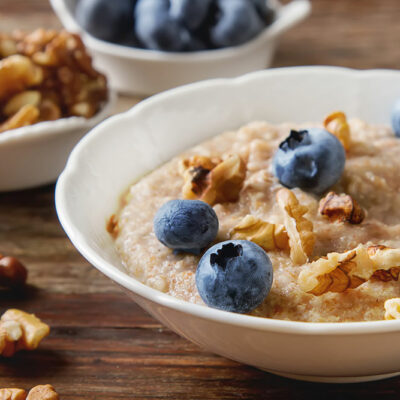
Breakfast is often hailed as the most important meal of the day, especially for maintaining heart health. A well-balanced breakfast not only kickstarts the metabolism but also provides the body with the nutrients it needs to start the day. On the other hand, skipping breakfast is often associated with a higher risk of heart-related issues. So, here are a few delicious and healthy breakfast ideas that can promote cardiovascular well-being and nourish the body: 1. Greek yogurt parfait A Greek yogurt parfait is not only delicious but also a heart-friendly choice. Greek yogurt is packed with protein and probiotics, which help manage blood pressure. Further, when layered with fresh fruits like sliced bananas, one gets a heart-healthy breakfast low in saturated fats. 2. Avocado toast Mashed avocado spread on whole-grain toast is a breakfast rich in heart-healthy monounsaturated fats. These fats can help lower bad cholesterol levels, reduce inflammation, and improve overall heart health. Additionally, avocados are a great source of potassium, helping regulate blood pressure. 3. Oatmeal with berries One can start the day with a hearty bowl of oatmeal topped with fresh berries. Oats are loaded with soluble fiber, which helps reduce bad cholesterol levels in the bloodstream.
Symptoms and diagnosis of Duchenne muscular dystrophy
health

Symptoms and diagnosis of Duchenne muscular dystrophy

Duchenne muscular dystrophy, or DMD, is a rare, progressive genetic disorder that affects the muscles, primarily in males. DMD is characterized by the weakening and degeneration of muscle tissue, leading to significant mobility issues and, in many cases, a shortened lifespan. While a cure for the condition is yet to be determined, ongoing research seeks to improve management and treatment options. Find below the signs of DMD and ways to diagnose the disease. Signs and symptoms DMD is a condition that typically presents early in childhood. The signs and symptoms of DMD may vary in severity but generally become more pronounced as the child grows older. Some common indicators include: Muscle weakness One of the earliest signs is weakness in the muscles of the pelvis and upper legs. Children with DMD may struggle to get up from the floor or climb stairs. Delayed motor milestones Affected children often experience delays in reaching motor milestones, like sitting up, crawling, and walking. Some may never achieve independent walking. Waddling gait As the disease progresses, the weakening of leg muscles causes a waddling gait that makes walking more challenging. Frequent falls Children with DMD may experience frequent falls due to muscle weakness, making activities that require balance and coordination difficult.

Top Articles

Symptoms, causes, and risks of peptic ulcer
health

Symptoms, causes, and risks of peptic ulcer

Peptic ulcer affects about 4.6 million Americans every year. Peptic ulcer results in open sores forming on the upper portion of the small intestine and the inside lining of the stomach. The first one is known as the duodenal ulcer, and the second type is known as a gastric ulcer. Read on to know more about its symptoms, causes, and risks associated with this condition. Symptoms of peptic ulcer If you feel a burning pain in the stomach, then it can be a sign of peptic ulcers, as it is the most common symptom of the disease. The pain can get worse at night or between meals. The acid in your stomach makes it worse. Other than the pain, some other common symptoms of peptic ulcers include feeling bloated or full, intolerance to fatty food, nausea, and heartburn. Apart from these, the other signs may include: Vomiting with the presence of blood Presence of dark blood in the stool Trouble in breathing Feeling faint Nausea Sudden weight loss Change in appetite Taking acid blockers can relieve the pain temporarily. If it keeps coming back, you need to contact your doctor. Causes of peptic ulcer Stomach conditions may have a variety of causes, which is true for peptic ulcers too.
Heart disease – Symptoms, causes, and risk factors
health

Heart disease – Symptoms, causes, and risk factors

Several diseases are included under the umbrella term of heart diseases and are also called cardiovascular diseases. They lead to the blood vessels becoming narrow or getting blocked, which, in turn, can result in a heart attack or stroke or cause pain in the chest. Other heart conditions affect the heart’s muscle, rhythm, or valve. Symptoms The symptoms vary according to the condition diagnosed. The symptoms of common cardiovascular diseases are discussed below. Symptoms of atherosclerotic disease Pain in the chest or feeling a sense of tightness or discomfort in the area Shortness of breath Limbs feeling numb or severely cold if the blood vessels have narrowed in the area, as it affects blood circulation Pain in the jaw, back, upper abdomen, or neck Symptoms of abnormality in the heartbeat or arrhythmia Fluttering sensation in the chest Racing or slow heartbeat Discomfort or pain in the chest Feeling dizzy or fainting Light-headedness Symptoms of heart defects or related conditions Skin color turning blue or pale gray Abdominal swelling or swelling in the area surrounding the eyes Shortness of breath while feedings in case of an infant Symptoms of dilated cardiomyopathy Breathlessness Swelling in the legs, feet, and ankles Feeling a sense of fatigue and dizziness Irregular heartbeat Symptoms related to heart infections Fever Shortness of breath Feeling weak Change in the heart rhythm Persistent cough Skin rashes Causes The causes vary depending on the type of heart disease one is affected with.
Symptoms, causes, and risk factors of immune system disorder
health

Symptoms, causes, and risk factors of immune system disorder

The immune system is referred to as the defense system that protects the body against different kinds of diseases. The stronger the immune system, the higher will be the chances of the body staying away from diseases. Suffering from immunodeficiency or immune system disorder is a cause of concern and must be immediately addressed. Symptoms Cold hands If the blood vessels suffer from inflammation, it gets difficult for the ears, toes, fingers, and nose to stay warm. The affected portion of the skin turns white. Slowly, the color changes into blue when these areas are further exposed to some cold object or atmosphere. When the flow of the blood becomes normal, the skin turns back to red. Medical experts refer to this as the Raynaud’s phenomenon. It is one of the most commonly observed symptoms of immune system disorder. Dry eyes When a person is suffering from an autoimmune disorder, his immune system, instead of protecting his body against diseases, attacks it. Lupus and rheumatoid arthritis are two of the most common examples of this condition. People who suffer from an autoimmune disorder tend to have dry eyes. The person will feel the presence of some grainy object when this happens.
Common joint conditions and their symptoms and risk factors
health

Common joint conditions and their symptoms and risk factors

Joint conditions are commonly associated with increasing age, but they can also be a result of injuries or may develop due to other medical conditions affecting bone and joint health. Arthritis, a commonly diagnosed joint condition, has over 200 types. Depending on the severity of the disease, these conditions can also affect a patient’s quality of life. Read on to know the symptoms, causes, and factors that increase one’s risk of developing joint conditions. Symptoms of joint conditions The following are some of the symptoms that most joint conditions are accompanied by: Joint stiffness Weakness in the joints Inflammation, swelling, and redness of the affected joint Limping due to pain and stiffness Joint getting locked Tearing of the cartilage Commonly-diagnosed joint conditions and their causes Osteoarthritis This form of arthritis involves the wear-and-tear of the joint’s cartilage, which means the risk of developing this disease elevates with age. The cartilage plays the role of a cushion between the bones in order to prevent friction that can cause damage. Damaged cartilage due to this condition results in the bones losing their protection and clashing, causing pain and restricting movement and flexibility. This usually occurs gradually, but it can also develop suddenly in the case of an infection or injury.
All you need to know about menopause
health

All you need to know about menopause

Menopause marks the end of a woman’s menstrual cycles. It is typically diagnosed after a year of no menstrual periods, but it begins much before that. Menopause occurs in your forties and even fifties, but the average age when it occurs in the US is 51. While it is a natural and biological process, the physical symptoms and the hot flashes may cause disruptions in your sleep and even affect your emotional health in general. There are plenty of treatments available. But, to get started, you need to know what the condition looks and feels like. Here are the symptoms, causes, and complications related to menopause. Symptoms of menopause In the time leading up to menopause, you may experience some common symptoms such as irregularity in periods, dryness in the vagina, as well as hot flashes. Some people also experience chills, sleep problems, mood swings, and night sweats. Weight gain and slowed metabolism are two other symptoms that commonly occur with menopause. Menopausal women may even experience dry skin and thinning hair on a regular basis. However, this is not to say that all women experience these symptoms. Different women go through different issues. Depending on your health in general, you may experience varying levels of symptoms.
Mental health conditions – What you should know
health

Mental health conditions – What you should know

Millions of people live with different types of mental illnesses and health problems. These include obsessive-compulsive disorder, social anxiety, and personality disorders. All of these come under the umbrella of mental health. In this article, we will cover the symptoms, causes, and risk factors of some common mental health disorders such as obsessive-compulsive disorder (OCD), post-traumatic stress disorder (PTSD), and clinical depression to help you understand them better. Symptoms The common symptoms of mental health disorders include: Obsessive-compulsive disorder People with OCD may present the following symptoms: Constant fear of contamination and extra emphasis on cleanliness Signs of hoarding and counting belongings continuously Signs of excessive concern toward personal safety Post-traumatic stress disorder Somebody suffering from PTSD may show the following symptoms: Constantly suffering through intrusive memories Negative patterns in mood and mindset Trying to avoid thinking of the traumatic event Feeling changes in emotional and physical reactions Clinical depression The symptoms of clinical depression include: Being moody and experiencing different emotions, such as aggressiveness, anxiousness, and restlessness Adverse effect on sexual life A decline of cognitive abilities Poor sleep patterns If you notice any of these symptoms, we recommend consulting with a mental health doctor immediately. Causes The common causes of any mental health disorder include the following: